A culinary tour of China: 20 regional dishes you shouldn’t miss
Posted: September 28, 2026 Filed under: Discovering China | Tags: China, Chinese cuisine, cooking, Dim Sum, food, Jiaozi, Kung Pao Chicken, Peking Duck, Regional Cuisine, travel, Zongzi Leave a commentBy RICK DUNHAM
When you arrive in China for the first time, you may be dazzled by the skylines, the pace of life or the language. But one of the most unforgettable parts of the experience will be the food. China’s culinary landscape is as vast and varied as its geography, with each region boasting dishes that tell a story of history, climate and culture.
To help you make the most of your time here, we’ve curated 20 essential Chinese dishes every international student should try — from fiery Sichuan classics to delicate Cantonese dim sum, from comforting northern noodles to street snacks that capture everyday life.

🥟 1. Xiaolongbao (Soup Dumplings) — Shanghai
These delicate steamed buns burst with flavorful broth the moment you bite into them. Traditionally filled with pork and a cube of gelatinized stock that melts into soup as the dumpling steams, xiaolongbao are a Shanghai institution.
How to eat: Gently lift one with chopsticks, place it on a spoon, puncture the skin to let the soup cool, then sip and savor.
Where to find it: Nanxiang Mantou Dian (南翔馒头店) in Shanghai’s Yu Garden is the birthplace of this delicacy.
🍜 2. Lanzhou Lamian (Hand-Pulled Noodles) — Gansu / Northwest China
A masterful performance meets a hearty meal. Watch chefs rhythmically stretch dough into strands of noodles with perfect elasticity. The noodles are served in a clear beef broth with slices of meat, daikon radish, chili oil and fresh herbs.
Why it’s special: Every bowl is handmade. The texture is unbeatable.
Budget tip: You can find authentic Lanzhou lamian shops in nearly every Chinese city, including one just outside the main gate of Tsinghua University in Wudaokou.
🌶️ 3. Mapo Tofu (麻婆豆腐) — Sichuan Province
A fiery combination of tofu cubes, minced beef or pork, fermented bean paste, chili oil and Sichuan peppercorns that create the famous má là (numbing-spicy) sensation.
Cultural note: The dish was named after a pock-marked (ma) woman (po) who first served it in Chengdu in the 19th century.
Best enjoyed with: Steamed rice and an adventurous palate. Many students opt for beer, as well.
🦆 4. Peking Duck (北京烤鸭) — Beijing
This imperial dish dates back to the Yuan Dynasty. The crispy skin, tender meat and rich aroma make it a must-try. Diners wrap slices of duck, scallions, cucumber and hoisin sauce in thin pancakes.
Where to go: Quanjude (全聚德) or Da Dong (大董) in Beijing are legendary spots. There is a Quanjude in Tuspark near Tsinghua’s South Gate.
Cultural tie-in: The meticulous preparation of Peking duck reflects the precision and artistry that define Chinese haute cuisine.
🍚 5. Yangzhou Fried Rice (扬州炒饭) — Jiangsu Province
Colorful, balanced and fragrant, this fried rice features diced shrimp, char siu (barbecued pork), egg and vegetables.
Why it’s beloved: A showcase of how simple ingredients can become a work of art through precise cooking.
Try it at: Any local restaurant or university canteen — it’s one of the most universally loved dishes in China. If you have time, make a pilgrimage to Yangzhou for the real thing.

🍲 6. Hot Pot (火锅) — Chongqing & Sichuan
Eating hot pot is less a meal and more an event. Diners cook raw meats, vegetables, tofu, and noodles in a bubbling communal pot of broth — mild or eye-wateringly spicy.
Pro tip: Pair it with sesame dipping sauce and a cold drink to offset the heat. Water is not an antidote, and tea will be overwhelmed by the hot pot flavors. Beer or sour plum juice are much better choices.
Social note: Hot pot is the ultimate student group meal in China — fun, affordable and endlessly customizable. Remember to start with proteins, move on to vegetables and end with noodles.
🥢 7. Jiaozi (Dumplings, 饺子) — Northern China
A symbol of family reunion during Lunar New Year, jiaozi are half-moon-shaped dumplings stuffed with pork, cabbage, shrimp or chives. They can be boiled, pan-fried or steamed.
When to eat: Anytime — breakfast, lunch, dinner, or midnight snack.
Cultural connection: Folding jiaozi with friends is a cherished Chinese tradition.
🍢 8. Chuan’r (Skewers, 串儿) — Xinjiang Influence, Nationwide
Grilled skewers of mutton, beef, chicken wings or vegetables seasoned with cumin and chili powder — street food at its finest.
Where to find: Outside campuses, night markets or barbecue stalls across China.
Student favorite: Cheap, flavorful and perfect for late-night socializing.
🍰 9. Dim Sum (点心) — Guangdong / Hong Kong
A full dim sum experience includes dozens of small plates — steamed buns, shrimp dumplings (har gow), pork buns (char siu bao) and more — all served with tea.
Cultural concept: “Yum cha” (drink tea) is about conversation and community as much as food.
Best spot: Cantonese restaurants in major cities like Guangzhou, Shenzhen or Hong Kong. Beijing has some highly rated dim sum restaurants. Search carefully. Quality varies the farther you travel from Guangdong.

🥬 10. Kung Pao Chicken (宫保鸡丁) — Sichuan Province
A dish balancing sweetness, spiciness and nuttiness — diced chicken stir-fried with peanuts (Mandarin name: Gong Bao Ji Ding), dried chilies and vegetables.
Fun fact: Named after a Qing Dynasty official, Ding Baozhen (title: Gong Bao).
Modern twist: In China, you’ll find versions spicier and less sweet than those served abroad. Also, less gooey and more nuanced. Also, delicious shrimp and cashew variations.
🐟 11. Steamed Fish with Ginger and Soy Sauce (清蒸鱼) — Cantonese Classic
A dish of pure simplicity: fresh whole fish, lightly steamed and drizzled with soy sauce, sesame oil, scallions and ginger.
Symbolism: Fish (yu) sounds like “abundance” in Chinese — making it a must-eat for festivals and celebrations.
Best with: Plain rice to soak up the aromatic sauce.
Delish fish: If you favor the culinary heat of the southwest, try the spicy whole fish boiled in beer from Guilin or Sichuan’s whole fish poached in dried red peppers.
🧄 12. Biangbiang Noodles (Biángbiáng面) — Shaanxi Province
These “belt noodles” are wide, chewy ribbons topped with chili oil, garlic, vinegar and bits of pork or egg.
Name trivia: The character for “biáng” is famously complex — with more than 50 strokes.
Experience: A rustic, hearty favorite from Xi’an that fills both the stomach and soul.
🍍 13. Yunnan Pineapple Rice (菠萝饭) — Yunnan Province
A vibrant tropical specialty from China’s southwest, pineapple rice combines sticky rice, fresh pineapple chunks, raisins and sometimes coconut milk — all steamed and served inside a hollowed pineapple.
Flavor profile: Sweet, fragrant, and slightly tangy.
Cultural note: Reflects Yunnan’s ethnic diversity and Southeast Asian influence.
Perfect for: A colorful treat when you want a sweet dish that’s still distinctly Chinese.
🥠 14. Zongzi (粽子) — Dragon Boat Festival Special
Sticky rice dumplings wrapped in bamboo leaves, filled with savory pork, egg yolk or sweet red bean paste.
Seasonal note: Eaten during the Dragon Boat Festival (usually in June).
Story behind it: Honors the ancient poet Qu Yuan, whose unjust death inspired villagers to throw rice into the river to feed his spirit.
🍠 15. Sweet Potatoes (烤红薯) — Street Snack, Nationwide
Especially in winter, the smell of roasting sweet potatoes wafts through city streets.
Vendors cook them in metal drums — warm, caramelized and naturally sweet.
Student tip: A perfect snack between classes on a chilly day. You can get them just outside almost every Tsinghua campus gate.
🐔 16. Da Pan Ji (大盘鸡, Big Plate Chicken) — Xinjiang
Originally from the Uyghur region of Xinjiang, this hearty dish combines chunks of chicken, potatoes and bell peppers simmered in a rich, spicy sauce. Traditionally served on a large platter over wide, hand-pulled noodles (belt noodles), it’s a filling meal perfect for sharing. It’s one of the signature dishes of the Uyghur restaurant a few hundred meters northeast of Tsinghua’s main gate.
Why it’s beloved: A fusion of Han and Uyghur influences — mildly spicy, aromatic and comforting.
Best eaten with: flat noodles (latiaozi 拉条子) that soak up the savory sauce.
🍡 17. Tanghulu (糖葫芦) — Beijing Snack
A skewer of candied hawthorn berries (or other fruits) coated in a shiny sugar glaze.
Where to find: Sold by street vendors, especially in northern cities in winter. It’s ubiquitous in Beijing, but is especially beloved in Houhai and the Fragrant Hills areas.
Why try it: The sweet-sour combination is unlike anything in Western desserts.
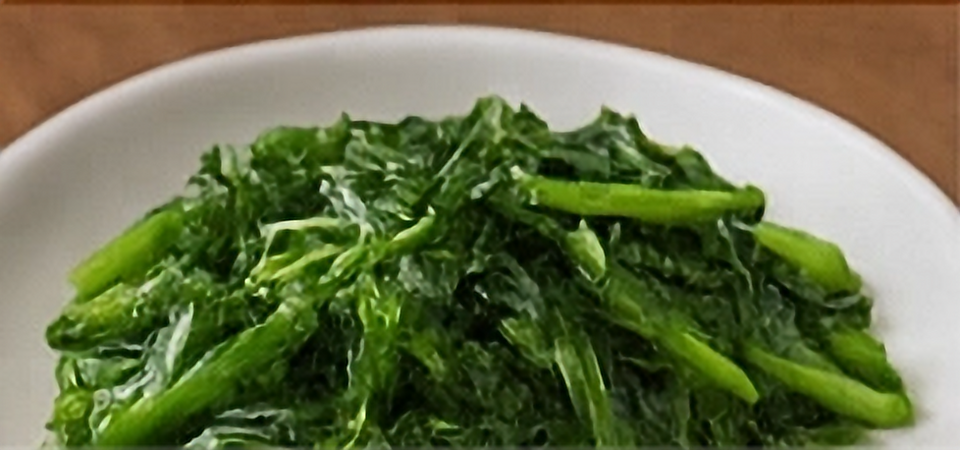 Stir-Fried Morning Glory
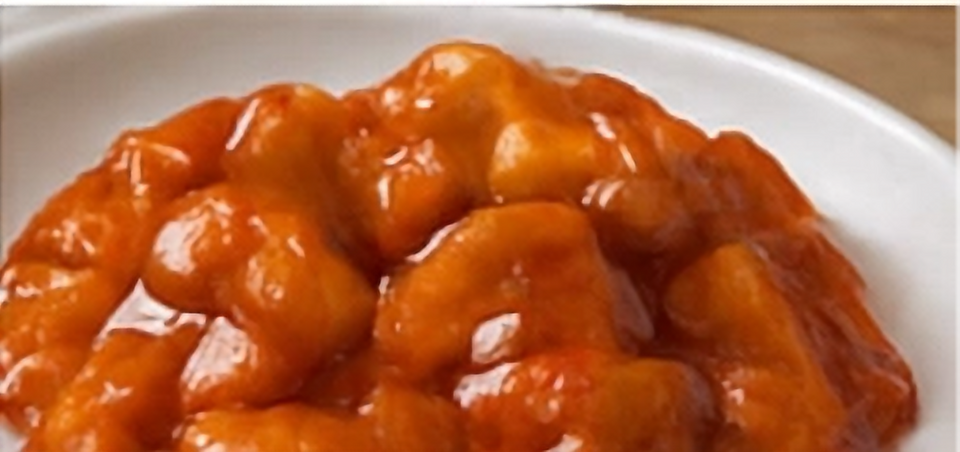 Guo Bao Rou
Stir-Fried Morning Glory and Guo Bao Rou (Images by Chat GPT)
🥬 18. Stir-Fried Morning Glory (空心菜) — Southern China
Also known as water spinach, this dish is stir-fried with garlic and chili. Simple, healthy and bursting with freshness.
Nutritional note: A great vegetarian option after days of meat-heavy meals.
Common sight: Served alongside rice or noodles in almost every small restaurant.
🥯 19. Jianbing (煎饼) — Tianjin / Northern Street Breakfast
A savory crepe made with wheat and mung bean flour, spread with egg, scallions, chili paste, coriander and a crispy fried cracker (bao cui).
Why students love it: Cheap, portable and customizable — China’s answer to the breakfast burrito. You can get great ones on Chengfu Lu south of the Tsinghua campus and surprisingly good ones in the Zijing canteen.
Fun fact: There are now jianbing food trucks in New York and London run by Chinese expatriates.
🐖 20. Guo Bao Rou (锅包肉, Sweet and Sour Pork) — Dongbei / Northeast China
A famous dish from Harbin, Guo Bao Rou features thin slices of pork loin coated in a light batter, deep-fried until crisp and glazed with a sweet-and-sour sauce that’s lighter and fruitier than Cantonese-style sweet-and-sour pork.
Why it stands out: Unlike southern versions, Dongbei chefs use potato starch for the batter and vinegar for balance, creating a crisp texture that stays crunchy even after saucing.
Best enjoyed with: Plain rice and stir-fried vegetables — a perfect comfort meal for cold northern winters.
Fun fact: It was invented in the early 20th century by a Harbin chef named Zheng Xingwen for visiting Russian guests, combining Chinese and Western tastes.
🌏 Beyond taste: The cultural experience
Trying Chinese dishes isn’t just about eating — it’s about understanding. Each dish reveals something about China’s geography, history, and diversity:
- North vs. South: Wheat-based noodles in the north, rice and seafood in the south.
- Spice vs. Subtlety: Sichuan’s bold heat versus Cantonese balance and freshness.
- Street vs. Imperial: The democratic charm of chuan’r stands beside the artistry of Peking duck.
Eating your way through China is a journey of discovery — of regional identities, communal dining culture and shared joy around the table.
So next time you head out with classmates, don’t just reach for the familiar. Dive into the unknown. Order that fiery Sichuan dish, that mysterious dumpling, that plate of spicy crayfish. You’ll not only find incredible flavors — you’ll experience the essence of China itself.
📍 Quick Guide: Regional Highlights
| Region | Signature Dishes | Flavor Profile |
| Beijing / North China | Peking Duck, Jianbing, Jiaozi | Savory, hearty, wheat-based |
| Dongbei / Northeast China | Guo Bao Rou | Crispy, sweet-sour, bold flavors |
| Sichuan / Chongqing | Mapo Tofu, Hot Pot, Kung Pao Chicken | Spicy, numbing, aromatic |
| Xinjiang / Northwest China | Da Pan Ji, Chuan’r | Spiced, meaty, halal influence |
| Canton / South China | Dim Sum, Steamed Fish, Ma Lai Gao | Fresh, balanced, delicate |
| Yunnan / Southwest China | Pineapple Rice | Tropical, fragrant, Southeast Asian influence |
| Jiangsu / Eastern China | Yangzhou Fried Rice | Refined, colorful, umami-rich |
🧭 Tips for International Students Exploring Chinese Cuisine
- Start local: University canteens often offer regional specialties at low cost.
- Go with Chinese friends: They’ll introduce you to hidden gems and explain ingredients.
- Don’t fear spice: “Mild” in Sichuan still means hot — but your tolerance will grow!
- Learn some food words: Being able to say bù yào là (不要辣, “no spice”) or dà là (大辣, “extra spicy”) can save you surprises.
- Use delivery apps: Meituan and Ele.me are great ways to explore local food from your dorm.
- Be adventurous: Every province has a signature — keep a food diary or social media photo log of your culinary discoveries.
Greetings from China: 5 pleasant discoveries and 5 things that might take some getting used to
Posted: September 9, 2013 Filed under: Discovering China, Dunham's Discourses, Top Ten | Tags: Beijing, China, Chinese food, food, parking, peanut butter, Peking Duck, traffic, Tsinghua University, Walmart 1 Comment
This is where I went hiking … for the history, the exercise, the fellowship and the fresh air.
The eagle has landed. I’ve been in Beijing for four days now — long enough to hike a remote section of the Great Wall, sample the best Peking Duck (Beijing Duck? Just plain roast duck?) of my life and explore every nook and cranny of one of the most beautiful college campuses in the world — but not quite long enough to get over jet lag.
Rather than write the traditional “first impressions” story, I’m going to share five of my pleasant discoveries in Beijing and an equal number of things that will take some time to get used to.
Pleasant discoveries

The campus is stunningly beautiful, an island of serenity in a bustling metropolis.
1. Tsinghua University is one of the most beautiful in the world. It’s made one of those top ten lists for beautiful campuses, and I can see why. From the magnificent gates to the marvelous and varied sculpture, from the breath-taking canals and lily ponds to the impressive architecture and ivy-covered walls, this is a fine environment for teaching and for learning.
2. The high quality of the faculty. They don’t call it the MIT of China for nothing. The professors here are among the best in the world. The journalism faculty is uniformly excellent. I hope to live up to their very high standards.
3. The high quality of the students. I could tell from the moment I began my new student orientation session last Friday morning. These students are the best and the brightest, not just from China but from around the world. They are smart and they are motivated.
4. I can get around town without too much problem. It is a problem that I don’t speak Chinese. (Yet.) But the Beijing subway — most of which was built for the 2008 Olympics — is modern, efficient, inexpensive and very easy to navigate. Crowded? That’s a given. There are more than 20 million people here in the capital.
5. I can communicate with the outside world. Yes, I heard all of the warnings about the Great Firewall of China. And all the blocked sites. The good news, at least at this point, is that I have been able to communicate with all of my old and new friends with only minor problems.

They say everything is bigger in Texas. It’s even bigger in Beijing. Here I am with one of the campus’ lions.
Things that might take some getting used to
1. A fifth-floor walk-up apartment. On the bright side, I’m getting a lot of aerobic exercise every day.
2. Cold showers for four days. Well, I finally have hot water. Actually, I’ve had it all along but haven’t known how to turn it on. You see, the instruction guide to my apartment is in Chinese and I’m linguistically challenged. It means I also couldn’t figure out how to use the satellite TV. Or the apartment internet. The take-away lesson: Keep taking those Mandarin lessons on the Mango app.
3. Can you believe the way people drive around here? Washington drivers are awful. Drivers in Rome are maniacs. Drivers in Naples view traffic signals as suggestions. Drivers in Beijing are all of that and more. U-turns in the middle of traffic. Left turns from the right lane. Turning right on red without stopping or even looking for pedestrians or bike riders.
And while you’re at it, watch out for the bikes coming at you every which way. And the pedestrians darting across highways and major thoroughfares in the middle of traffic.
4. The parking situation. People park any place they can find a space. Not a parking space. Any old space. They park on sidewalks. They park on pedestrian malls. They park where they want, when they want. Just get out of the way when the car is coming at you.
5. Peanut butter is hard to find. I love Chinese food. I could eat it almost every meal. But I am going through peanut butter withdrawal now. Yes, yes, I’ve been told that you can get peanut butter at Walmart and in European grocery stores in Beijing. But I haven’t gone on a scouting mission yet.


Recent Comments