The state of China’s economy in 15 charts: Growth, challenges and expanding global role
Posted: October 21, 2026 Filed under: AI, Discovering China | Tags: AI, Artificial Intelligence, China, Chinese economy, consumer confidence, debt, economy, global economy, history, housing, infrastructure, international economics, international trade, news, politics, retail sales, robotics, stock market, unemployment Leave a comment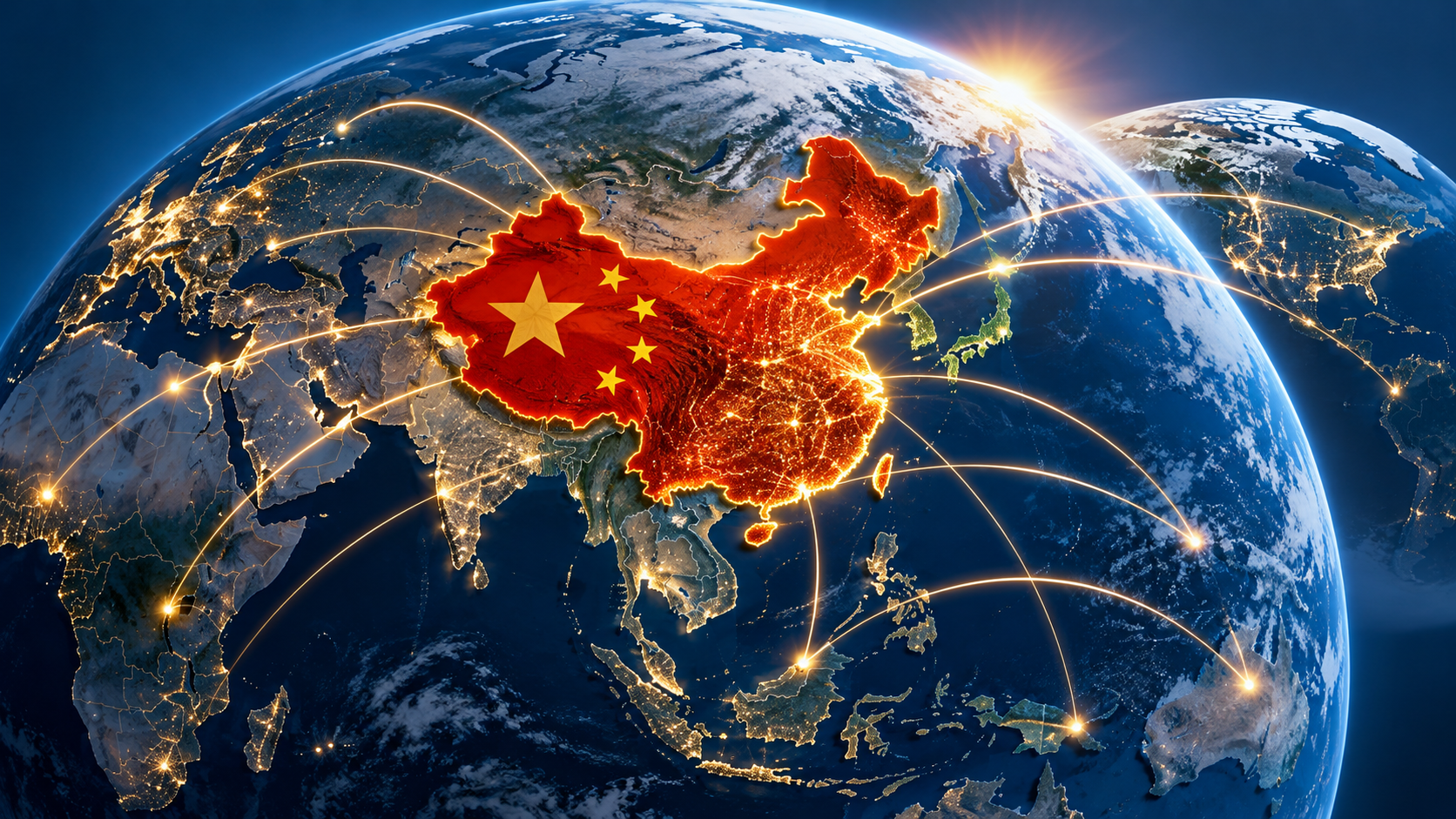
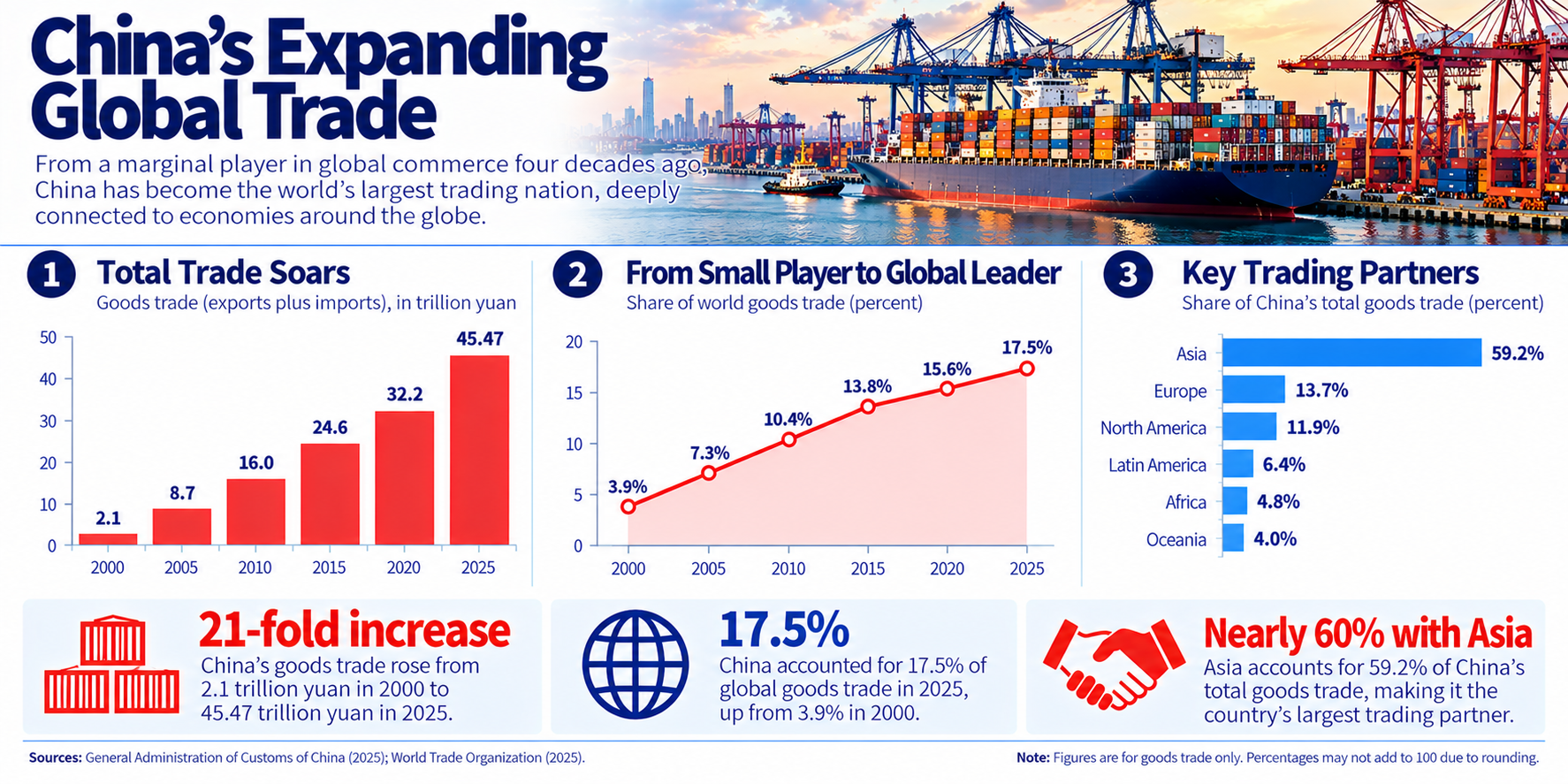
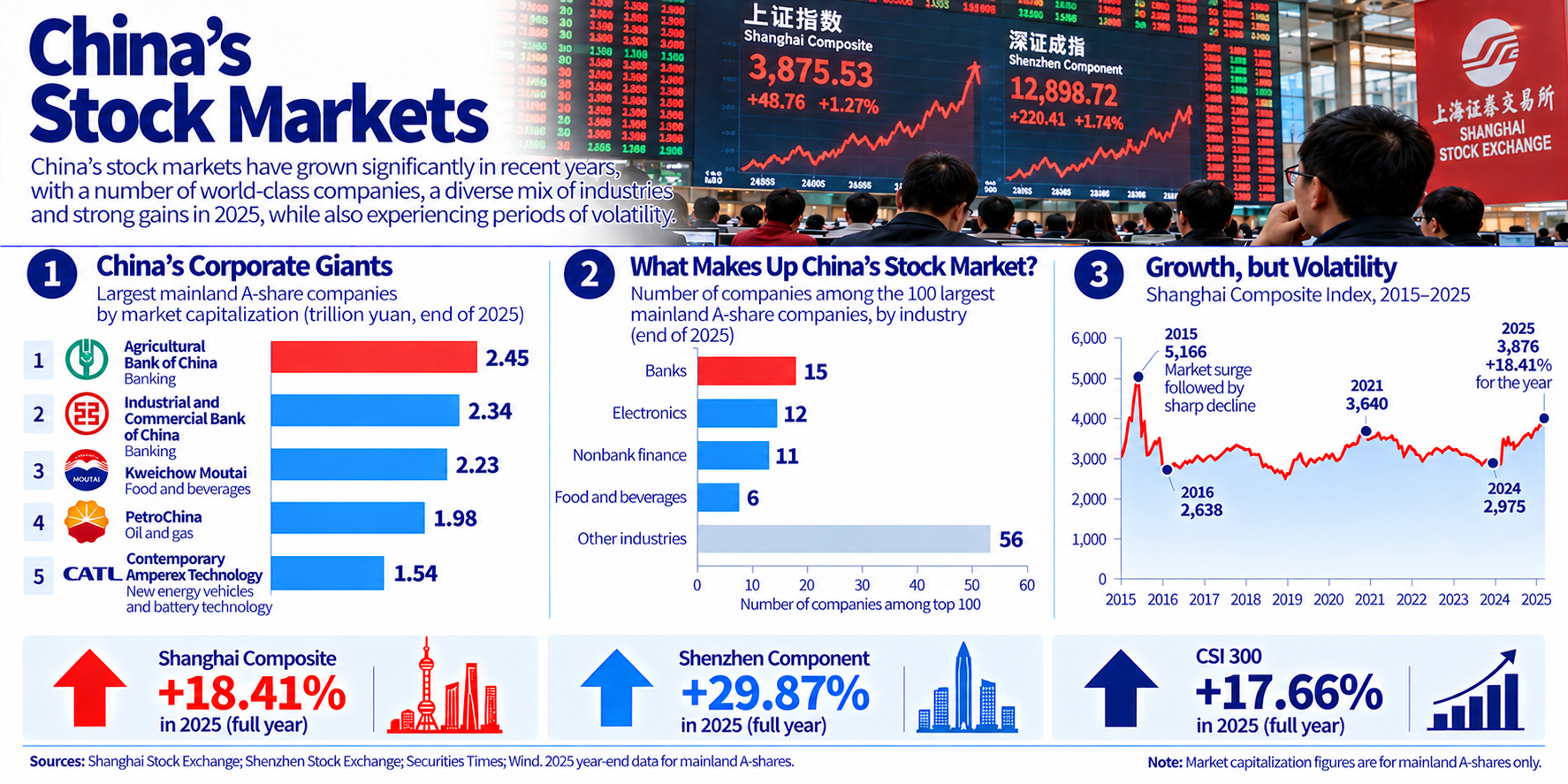
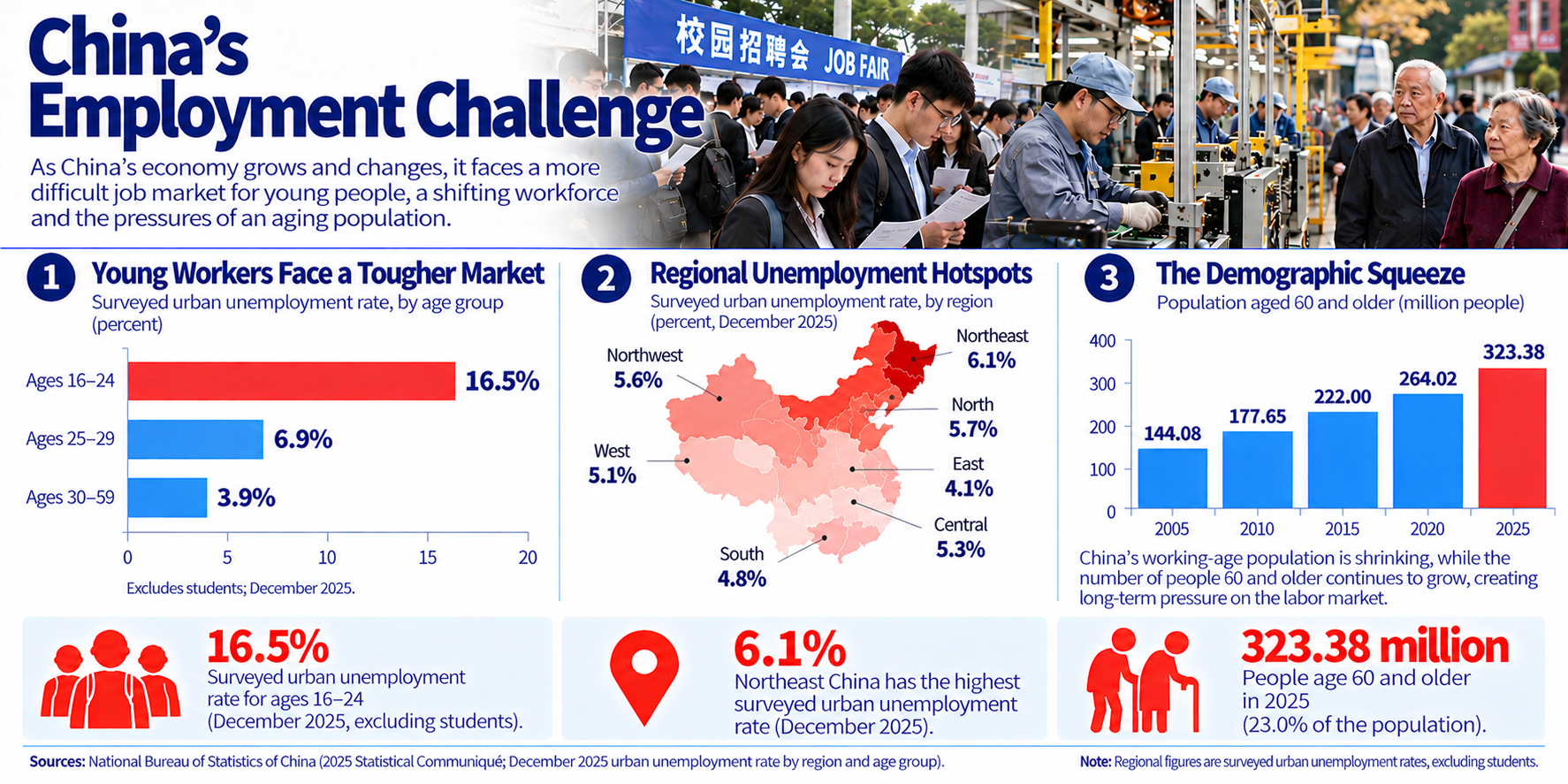
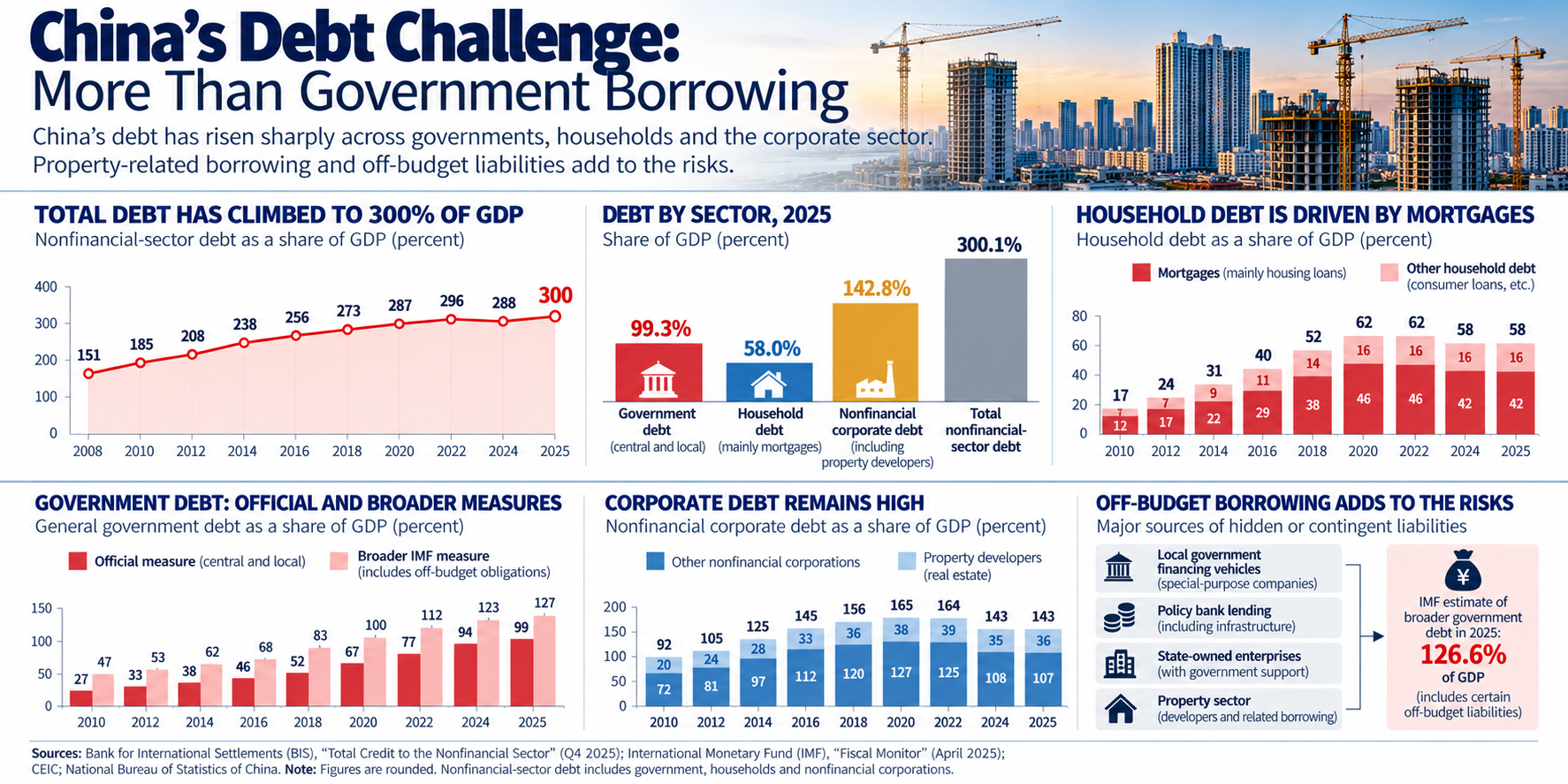
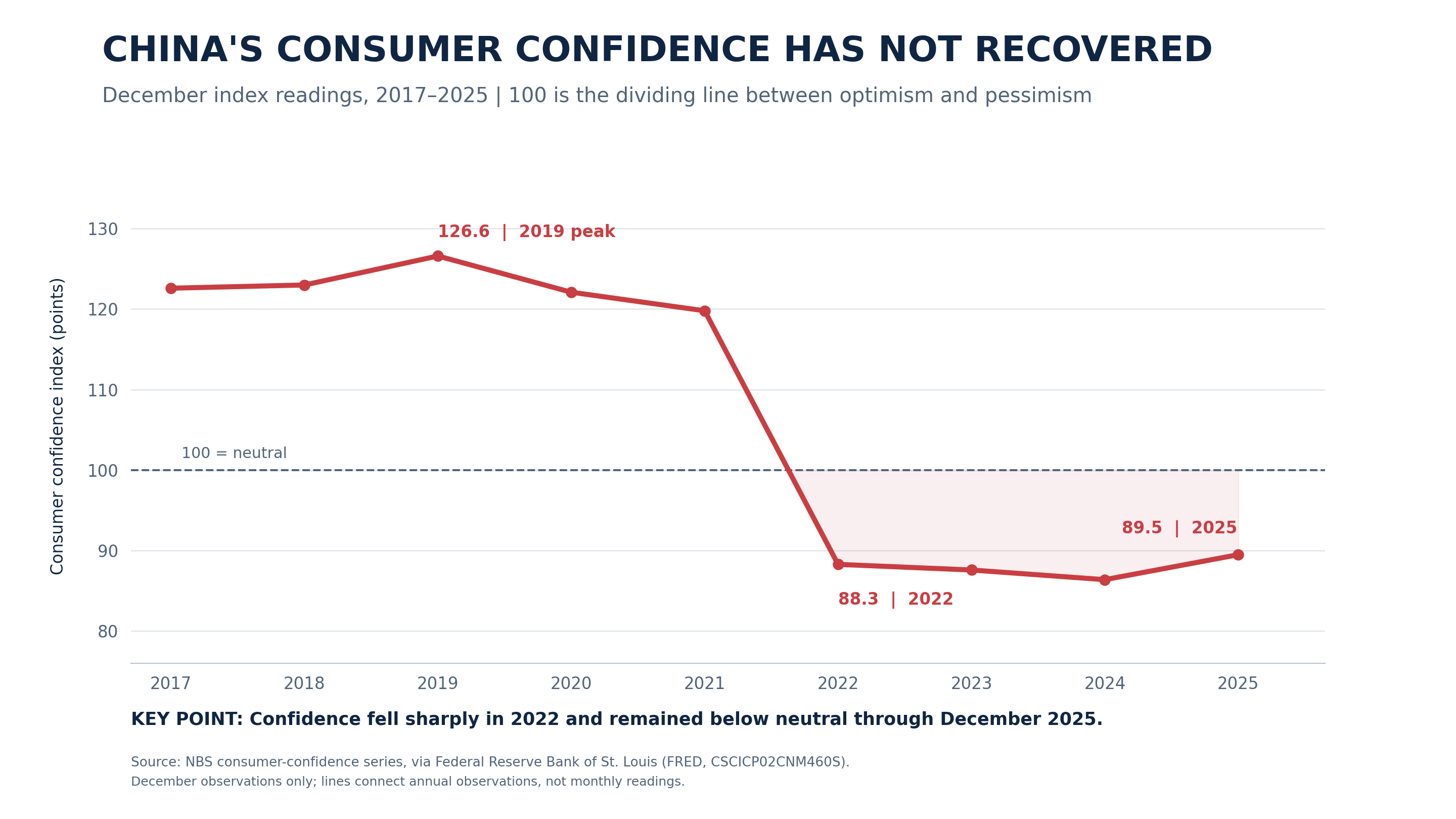
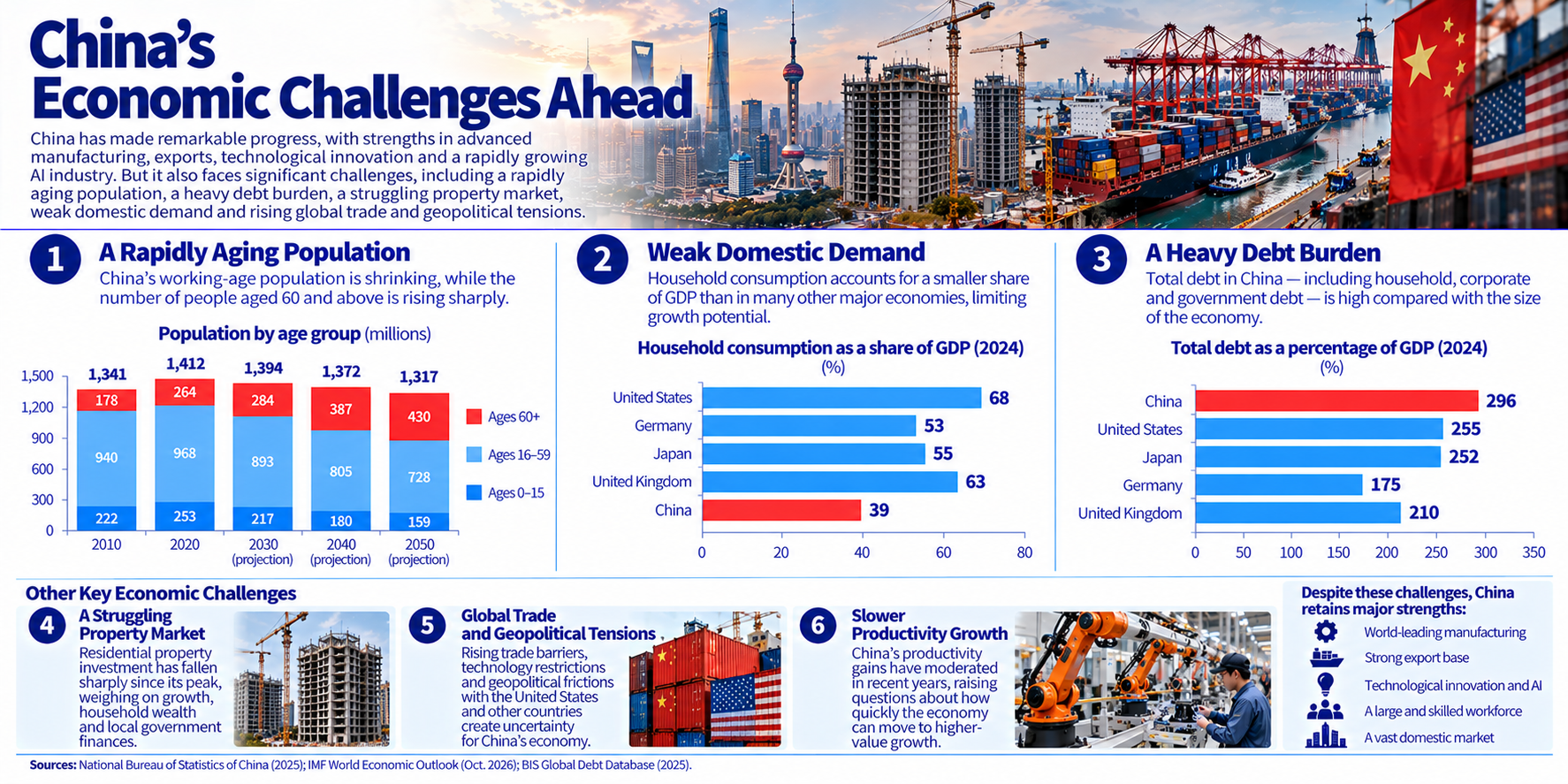
China’s economy is undergoing a profound transformation. The world’s second-largest economy remains a manufacturing powerhouse, a global trading giant and an increasingly important leader in emerging technologies. But beneath the impressive numbers lie significant challenges, including a struggling property market, weak consumer confidence, youth unemployment and simmering trade tensions.
Much of the global media coverage has tended toward the extremes: the rising economic power that will overtake the United States and end the American Century — or an over-levered, debt-fueled mess that cannot sustain the government-juiced growth of the past decade and is heading toward inevitable decline.
How can we make sense of these seemingly contradictory and overly simplistic visions?
Sometimes, the best way to understand a complicated economic story is to visualize it.
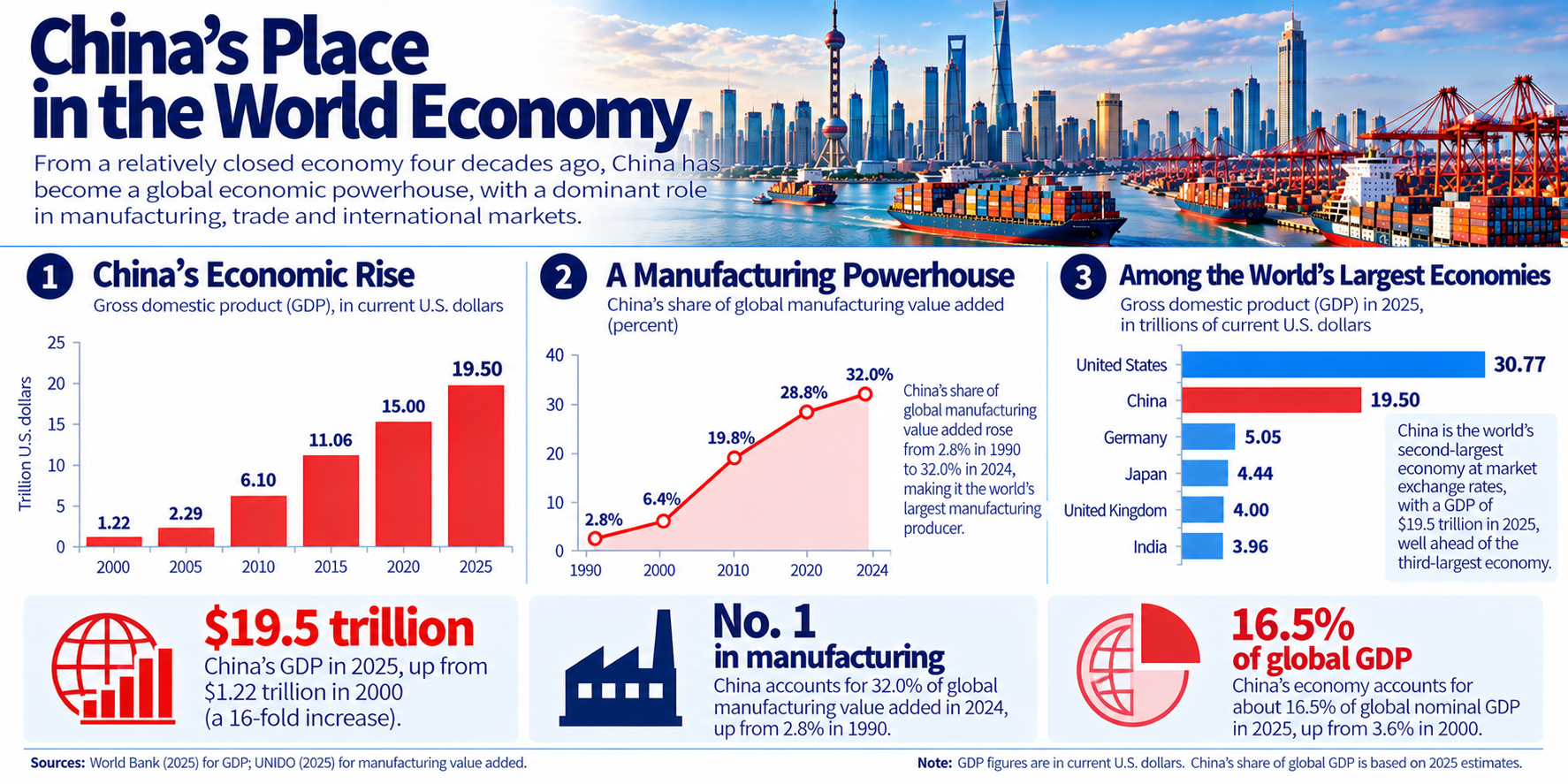
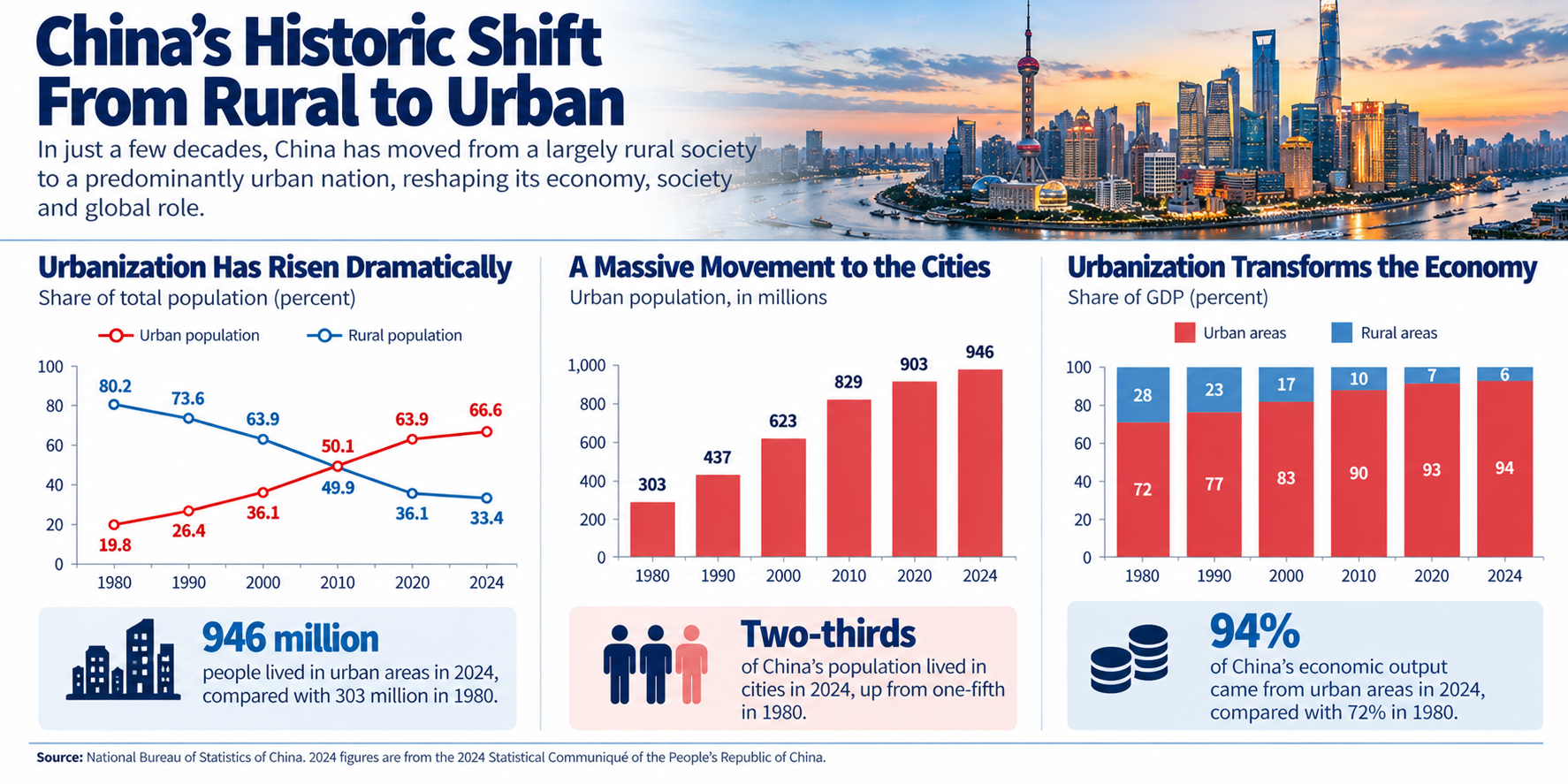
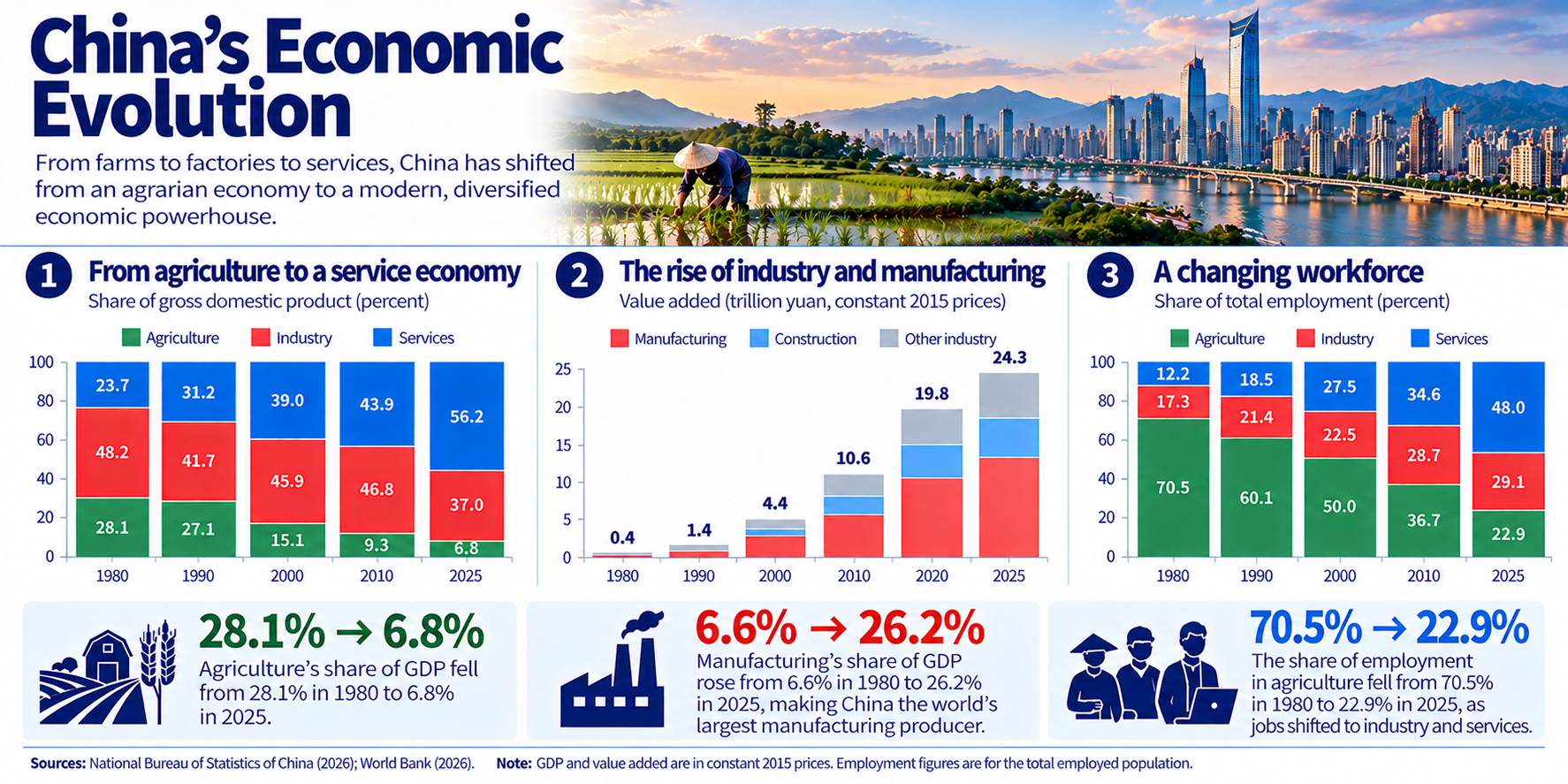
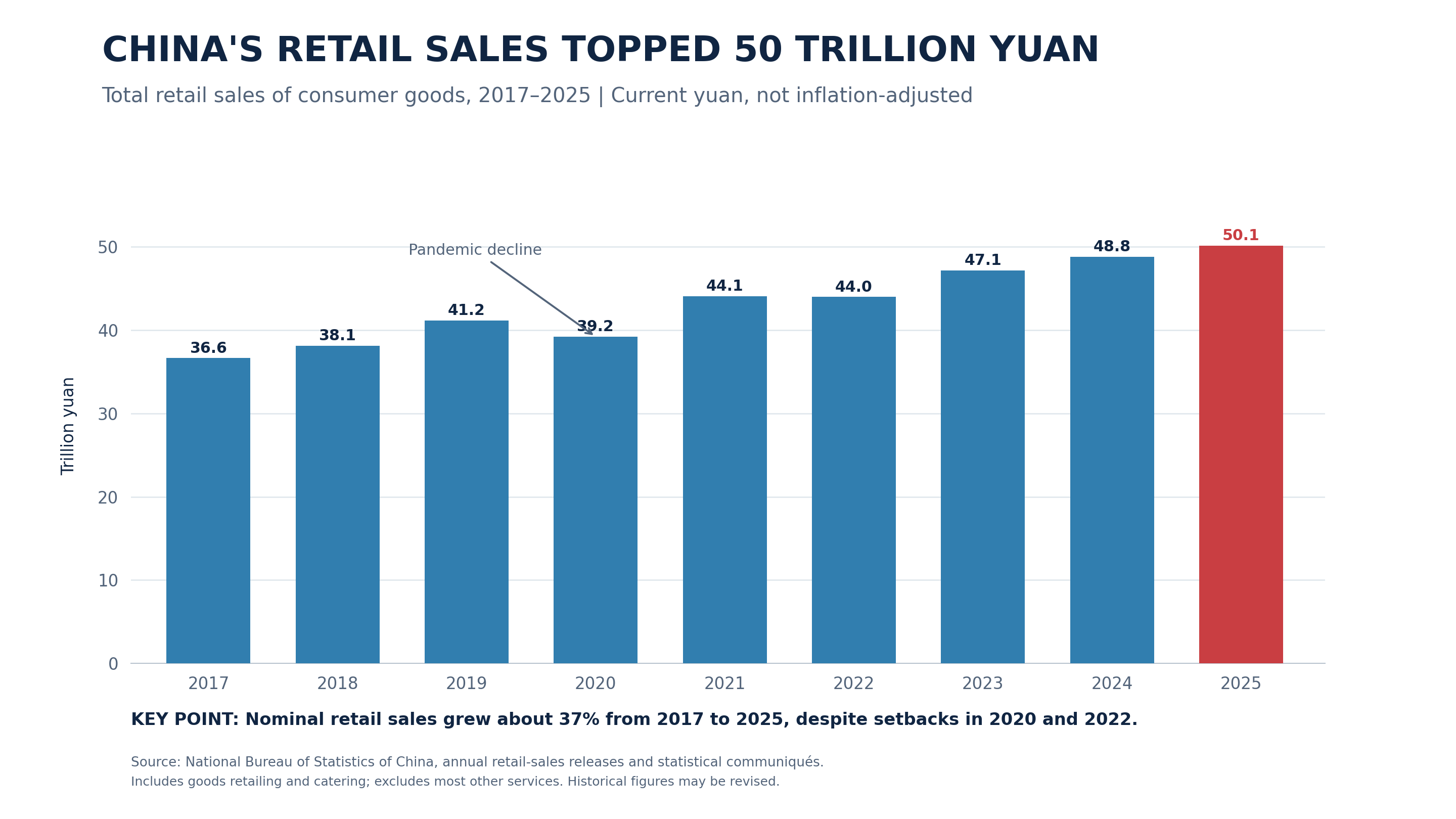
These 15 charts and infographics examine the state of China’s economy from several different perspectives. They explore the country’s changing economic structure, its expanding global trade relationships, the remarkable growth of electric vehicles and robotics, and its ambitions in artificial intelligence. They also examine the pressures facing Chinese households, workers, property owners and investors.
The graphics reveal an economy of striking contrasts: technological dynamism alongside structural weaknesses, global competitiveness alongside domestic uncertainty, and extraordinary industrial capacity amid questions about future growth.
No single statistic can adequately capture an economy as large and complex as China’s. Taken together, however, these visualizations provide a broader picture of where China stands today, how it got here and what may lie ahead.
They also demonstrate how data visualization can turn complicated economic statistics into accessible stories for an international audience. Enjoy! And please share your feedback and predictions.
Note: I used AI research to help me with find the latest data for this project. I tried to confirm all data that I used. If you see anything that is incorrect, please let me know and I will fix it.





Business journalism’s 5 pillars of purpose: My take on economic reporting’s core principles
Posted: September 28, 2026 Filed under: AI, Dunham's Discourses, Global Business Journalism, Journalism Training, Media, Rick's Rules | Tags: AI, Artificial Intelligence, business journalism, ESG, Global Business Journalism, International Center for Journalists, Journalism Training, Linda Lew, Lise Olsen, Mark Hamrick, Media, News business, Sharon Moshavi, watchdogs, writing Leave a commentBy RICK DUNHAM
In a media world transformed by digital disruption, economic volatility and the never-ending news cycle, high-quality business journalism has never been more essential for citizens around the world — or more challenged by a convergence of economic and political forces. Amid social media misinformation, corporate spin, government pressure and declining trust in institutions, the mission of business news organizations has evolved to serve a public increasingly hungry for clarity, accountability and context.

While styles of business news coverage vary across platforms and countries, five core goals remain central to economic reporting in the modern era.
These five fundamental missions — informing the public, interpreting economic trends, holding power accountable, guiding decision-making and spotlighting broader economic shifts such as innovation and inequality — are the cornerstones of meaningful, responsible business journalism. Let’s take a look at each of them.
1. Informing the public: Gleaning clarity from complexity
At its heart, business journalism exists to inform. It demystifies complex economic developments, financial markets, and corporate affairs for a broad audience. From interest rate hikes to stock market volatility, from GDP reports to global supply chain disruptions, the goal is to translate jargon into accessible language without sacrificing nuance.
“Business journalism has always been important but never has it been more important than right now,” Mark Hamrick, founder of the Hamrick Brief, told Global Business Journalism students. “This obviously is a remarkable time in human history — the rate of change is remarkable. The ability to tell a story well is one of the most important skill sets we have.”
Good business coverage doesn’t just report the what — it explains the why and the how, helping readers understand how distant decisions by central banks, tech CEOs, or energy producers can affect household budgets or career prospects.
2. Interpreting trends: Context beyond the headlines
Modern business journalists are not merely stenographers of the day’s earnings calls or labor reports. They are interpreters — placing economic and corporate events in a broader context. Why does a stronger dollar matter? What does a jobs report signal about inflation? How does a tech company’s quarterly performance hint at shifting consumer habits?
“Every news story needs a paragraph on the significance or context of the news and business news is no different,” noted Jeffrey Timmermans, a longtime Wall Street Journal reporter now working at the Reynolds Center for Business Journalism. “Each business story should explain why the news matters to the reader.”
Interpretation has become even more critical in an era where data is abundant but understanding is scarce. Long-form explainers, data journalism, podcasts, and interactive graphics have become key tools for business reporters helping audiences grasp long-term trends — from climate finance to the future of AI.

3. Holding power to account: Watchdogs in the boardrooms and beyond
Perhaps the most vital and difficult of business journalism’s missions is accountability reporting. This includes exposing fraud, investigating regulatory failures, scrutinizing executive behavior and tracing the flow of money and influence in both the public and private sectors.
Whether covering the fall of FTX and Sam Bankman-Fried, probing the causes of the 2008 financial crisis or revealing how fossil fuel corporations shaped perceptions of climate change in much of the world, investigative business reporting plays a key role in serving the public interest.
“Customers, investors, pensioners, employees and taxpayers all have been harmed in recent years by a reckless disregard at the highest levels of companies,” Gretchen Morgenson, a Pulitzer Prize-winning financial journalist, told a Wharton School leadership conference. “If the people who have created these disasters and profited from them are allowed to slink off into the night, then I think we will be confirming the suspicion that the paths of the powerful are protected, and that the little guy is left to fend for himself.”
In the wake of growing public anger over wealth inequality and the power of transnational global corporations, the watchdog role of business journalism is ethically important — and it is increasingly expected by audiences, even in countries with some limits on press freedom.
4. Guiding decisions: Practical tools for spending, work and wealth
Another core mission of business journalism is helping individuals and institutions make informed choices — whether about investments, careers, consumption or business strategies.
This service-oriented aspect has grown in popularity and sophistication, with media brands like Bloomberg, CNBC, Morning Brew, and The Wall Street Journal offering targeted newsletters, personal finance columns, real-time market updates, and deep industry analysis.
In short, business news has become more personal. Increasingly, it’s not just about what Apple or Tesla did — but about what you should do next. That could be consumer decisions, investment choices or retirement options.
“People read our words, based on which they shape their own opinions and make decisions,” Colin Pope, editor of Austin Business Journal, told students in the Global Business Journalism program’s Business News Reporting and Editing course.
Not every economic journalist is up to the challenge of simplifying the numbers and explaining complex data. The 2025 Barnum Financial Group “Study of Americans in the Workplace“ found that 39% of respondents felt intimidated by financial complexities, contributing to “a population struggling to access and understand the financial resources they need” to make economic decisions.
The clearer business journalists can be in their data analysis and reporting, the more confident their audience can be in decision-making.
Morgenson, now a senior reporter for NBC News Investigations, says her aim as a reporter is to “simplify complex financial dealings so all readers can understand them. Although I am thrilled to have received an array of journalism awards over my career, the most rewarding aspect of my work is helping readers cut through financial fog and protect themselves and their families.”
5. Telling the broader economic story: Innovation and inequality
Today’s business journalism must also capture the complex forces shaping the 21st-century economy: rapid innovation, increasing inequality, and the battles over globalism and global economic dominance.
From covering the rise of artificial intelligence and green energy startups to exploring the gig economy, inconsistencies in labor rights from nation to nation, and the gender pay chasm in some countries, business journalists are storytellers of transformations and of stubborn traditions.
More often than not, those stories are not simply “bottom line” business stories but are societal narratives that often touch on local and national politics, social justice concerns, minority rights, women’s rights and environmental policy.
“Journalists are needed more than ever to bear witness to history,” Linda Lew, a reporter for Bloomberg News in Hong Kong, told Global Business Journalism program students.

This increased coverage of economic justice issues means that ESG (an acronym for Environmental, Social and Governance) investing issues, and diversity in corporate leadership, are no longer niche coverage areas. They are central to understanding the modern economy — and to building trust with younger, values-driven audiences. Coverage of the rise of far-right populism from the Americas to Europe requires skill in both economic and political analysis.
What’s more, in the midst of today’s rapid innovation, business reporters must be prepared to cover the industries of the future, from green technologies to artificial intelligence. Beat coverage can range from profiles to narratives, corporate profit deep dives to investigative pieces about venture capital fundraising attempts.
Reporters covering these emerging industries (and markets) must be able to explain — in simple language — what the technology is and what its impact will be on the lives of people around the world. They also will be called on to cover the business end of companies in a boom-and-bust world that sees spectacular successes, meteoric flameouts and a few criminal prosecutions. All of which are exciting — and challenging — for the reporters covering the story.

The future: Business journalism in the digital age
As the digital economy has expanded, so too has the media ecosystem covering it. Traditional print and television outlets now compete with newsletters, TikTok explainers, YouTube analysts, Substack authors, and especially influencers with strong opinions about crypto or real estate. To demonstrate the power of the influencer culture: More Americans got news about the 2024 presidential election on TikTok from influencers and celebrities than from traditional news organizations’ video feeds, according to Pew Research Center findings.

Yet even amid information overload and the cacophony of facts, opinions and rumors, professional business journalism remains distinct. It is evidence-based, ethically grounded, and committed to transparency.
“There may not be a single truth, but a fact is still a fact,” said Sharon Moshavi, president of the International Center for Journalists. “Everyone is entitled to their opinion, and there is no such thing as absolute and ultimate truth. But a phone is a phone. My AirPods are AirPods … And I think only then are we going to get to that world I like where facts reign.”
Truth is not journalism’s only challenge. Revenue models are shifting. Audiences for traditional media are rapidly shrinking. Misinformation spreads quickly. Reporters face pressure to produce more with fewer resources. And AI tools are transforming how news is gathered and delivered.
Still, the mission endures.
“I’m always looking for something that is hidden, something people don’t want other people to know,” said Lise Olsen, Houston-based investigative reporter focusing on crime, corruption, workers’ safety and human rights, during a lecture to Global Business Journalism students.
This report first appeared on the Global Business Journalism program website.


Recent Comments