Beijing’s top tourist attractions, from the old standbys to the hidden gems
Posted: September 30, 2026 Filed under: Discovering China, Dunham's Discourses, Uncategorized | Tags: Asia, Beijing, Beijing tourism, Beijing Zoo, China, China tourism, Forbidden City, Great Wall, history, Lama Temple, pandas, Summer Palace, tea, Temple of Heaven, Tiananmen Square, travel, Yuanmingyuan Ruins Park, Zhoukoudian Leave a commentBy RICK DUNHAM
In more than 13 years in Beijing, I’ve visited just about every museum I could find. As a history major and a journalism professor, I’ve explored dozens of sites with ties to Chinese history and some that even pre-date modern humans. I’ve hiked the Great Wall 40 times, from its western terminus in Gansu province to the Yalu River bordering North Korea.
I’ve seen domestic tourism explode in China and the number of museums in the nation more than doubled. Visiting cultural sites “has become trendy among citizens in Beijing,” says Yin Li, secretary of the CPC Beijing Municipal Committee. Tourism is a much more user-friendly experience today than it was a decade ago, from ubiquitous QR codes to more modern toilet facilities.
Beijing boasts hundreds – yes, hundreds – of museums, cultural attractions, parks, historical sites and other locations for visitors to see. As Irina Bokova, former director-general of UNESCO, said recently, “the city bears witness to more than 3,000 years of cultural history.”
There’s no way to see it all in a short visit. Or even if you are here for a year or two. But try to pack in as much as you can in whatever time you have. Here are some of the best tourist opportunities Beijing has to offer.
The Core Four
I hope this guide will help you to prioritize your adventures in China’s capital city and environs. It’s a wonderful place to explore. Enjoy!
These are the Beijing tourist attractions that every visitor must see. If your family is visiting, take them there. If someone has just two or three days in town, figure out a way to squeeze all of these in.
The Great Wall
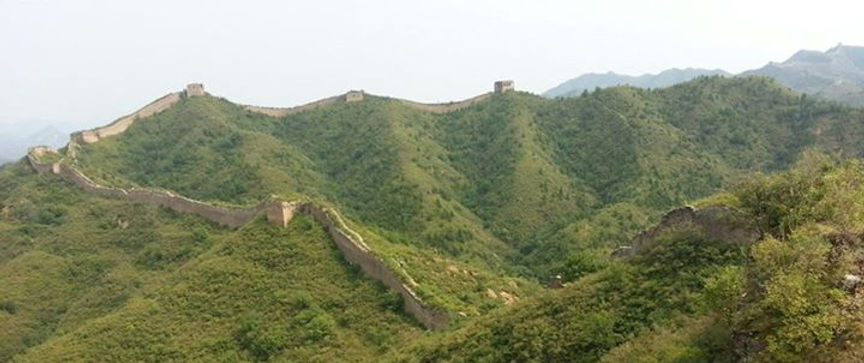
Photo by Rick Dunham
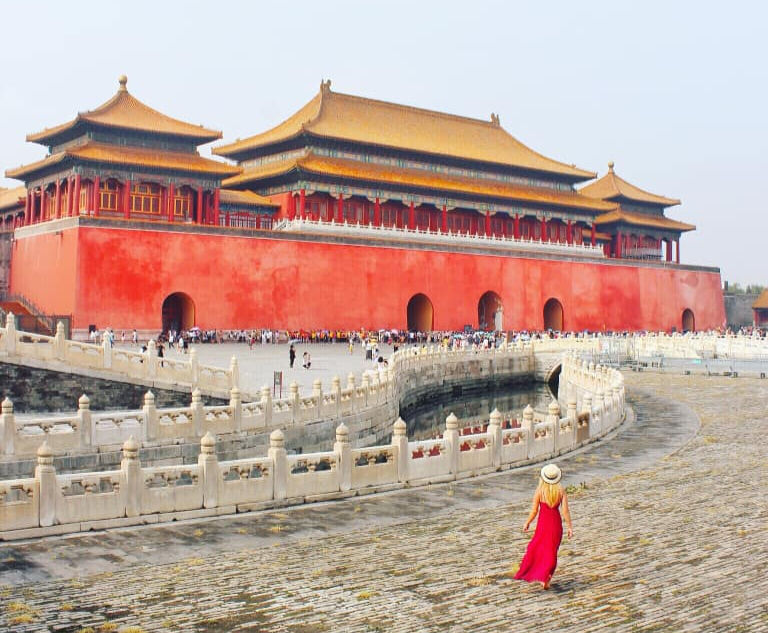
The Forbidden City
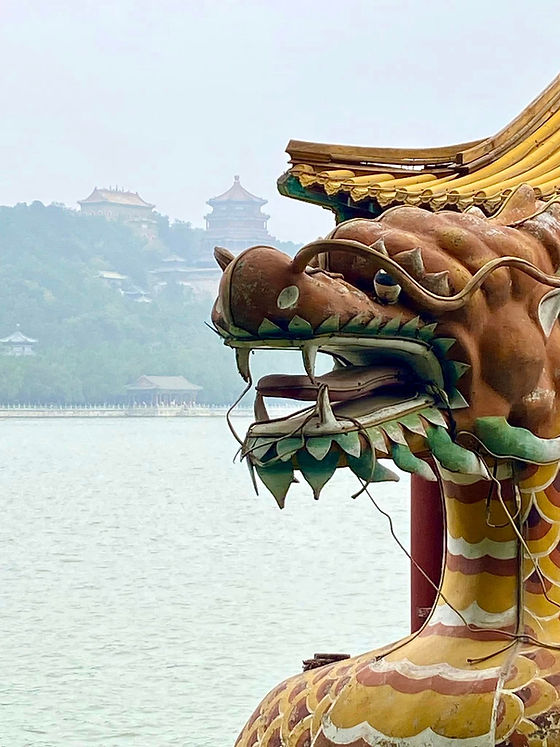
The Summer Palace
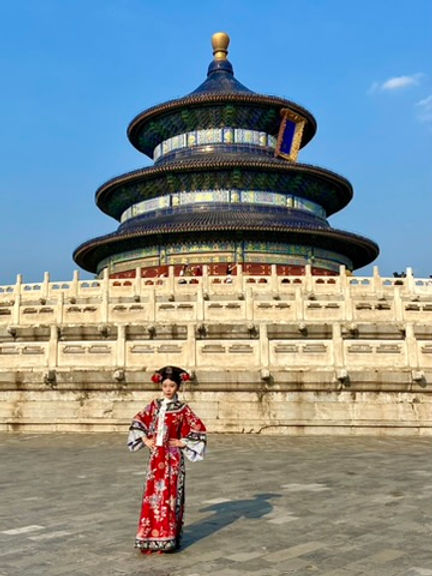
The Temple of Heaven
Memorable sites you don’t want to miss
Everyone has to make choices. You can’t see everything. But there are some places that you should try to find time to see, whether your visitor is here for four days or three months.
Many of these memorable sites can be combined with the must-see sites on a single itinerary. Yuanmingyuan is close to the Summer Palace and can be visited together in an outing. The same is true of the National Museum, Tian’anmen and the Forbidden City (admittedly, a very long and intense day). And the Beijing Zoo, with its delightful pandas, is a short subway ride away from the city center.
Yuanmingyuan Ruins Park

The ruins of Yuanmingyuan are one of the most stunning parks in Beijing. They range from traditional Chinese architecture of the Ming era to Italian-Chinese fusion palaces of the 18th century. All were destroyed by British and French invaders. (Photo by Rick Dunham)
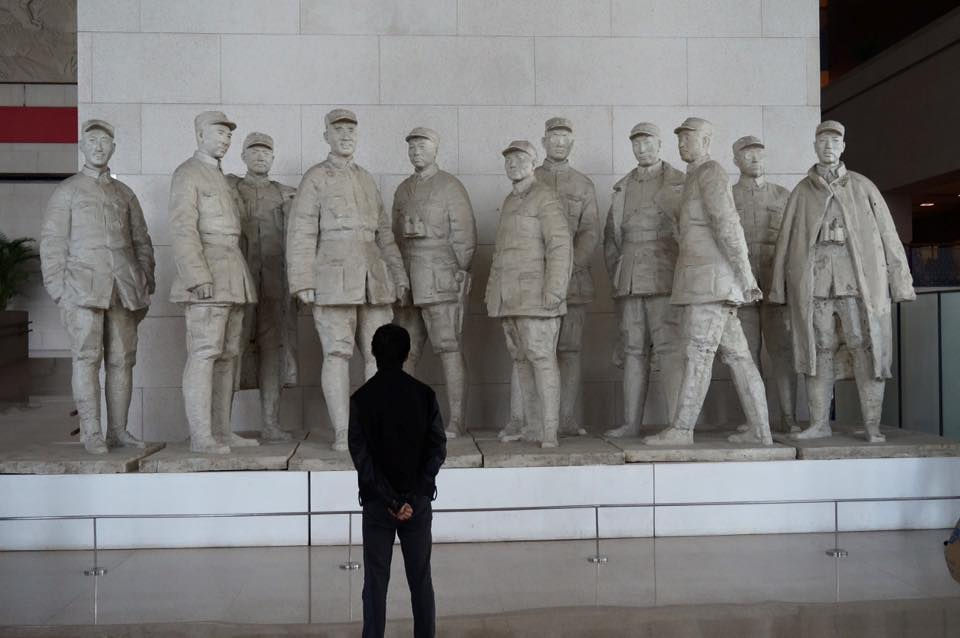
The National Museum
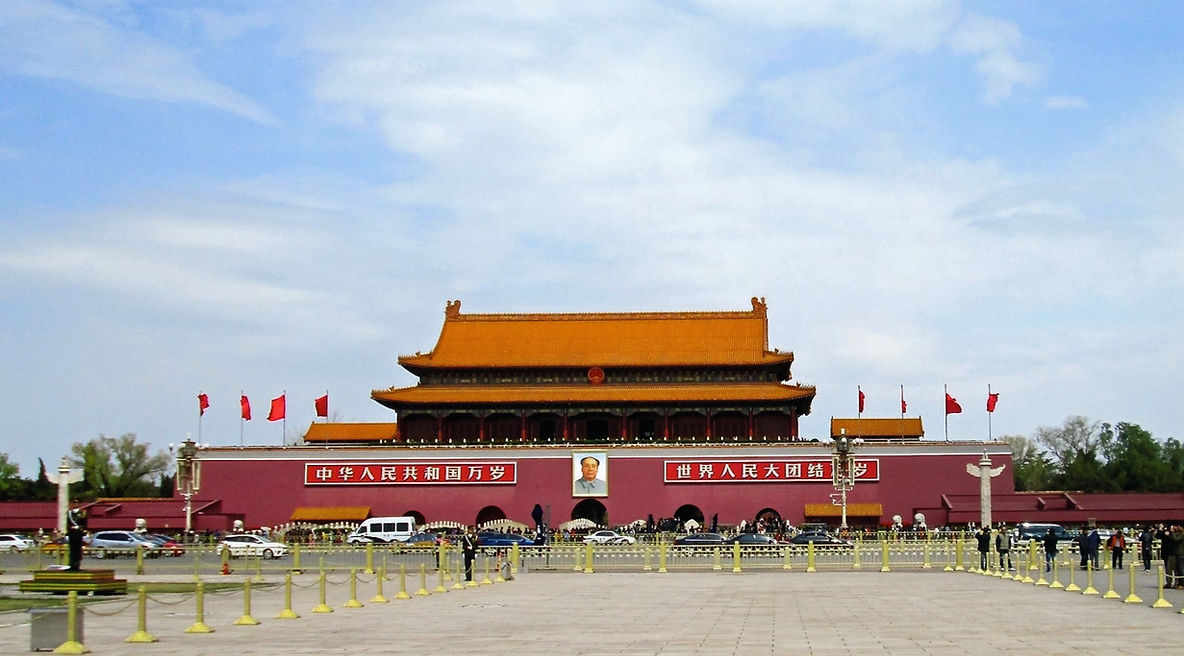
Tian’anmen Square
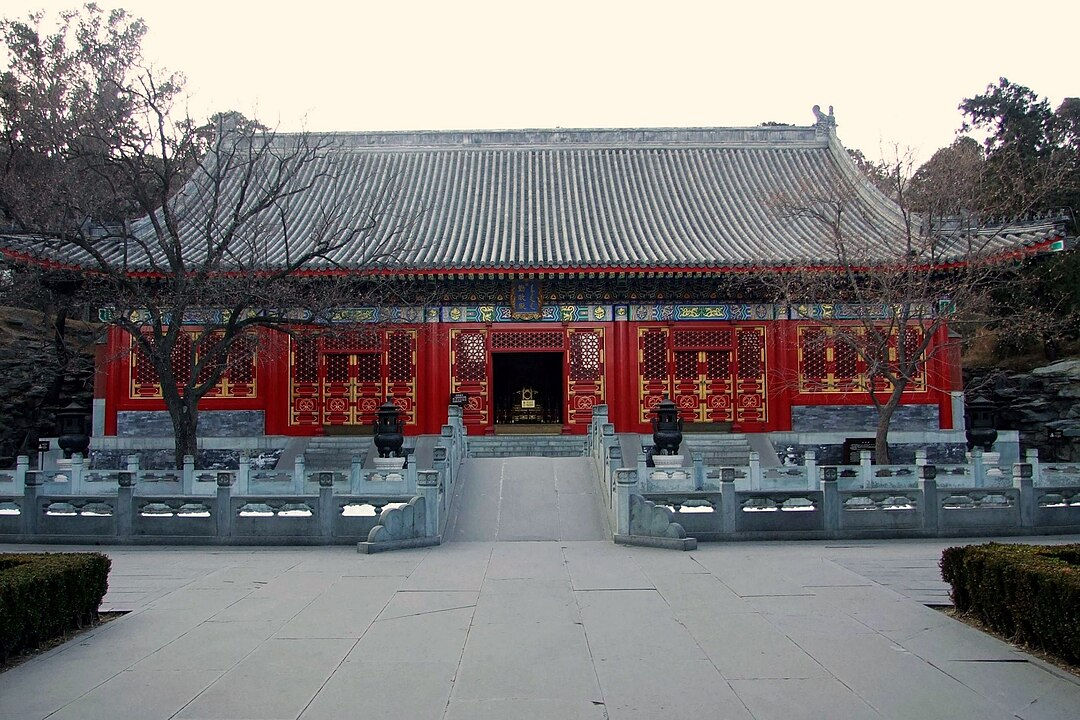
Lama Temple (Yong He Gong)

The Beijing Zoo

Highly recommended half-day trips outside of the city
If you have access to an automobile, or have enough spending money to rent a driver for a few hours, these historically significant sites are well worth your time.
Marco Polo Bridge (Lugou Qiao)

Anti-Japanese resistance museum and Wanping walled town

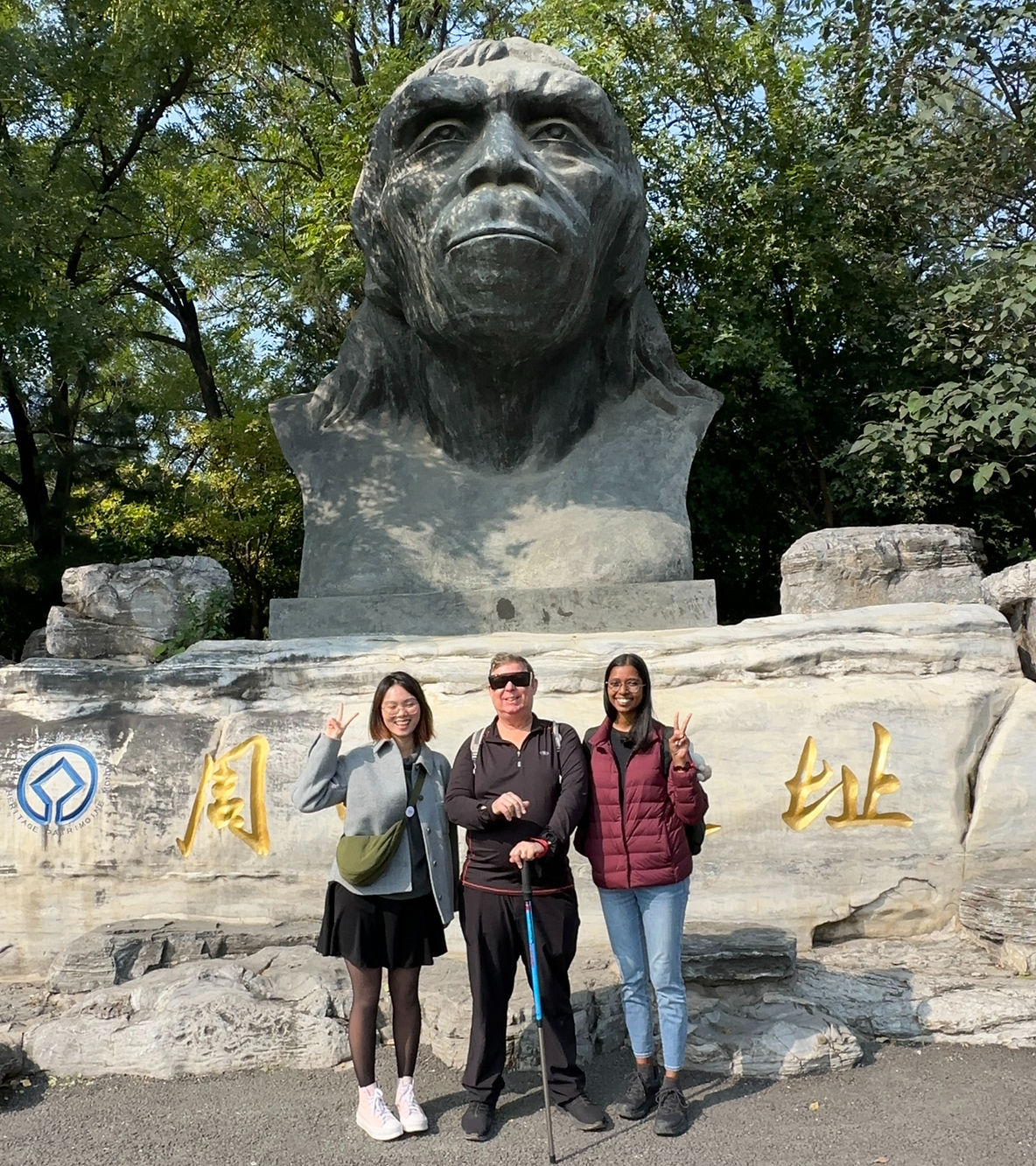
Zhoukoudian (Peking Man caves, park and museum)
Ming Tombs
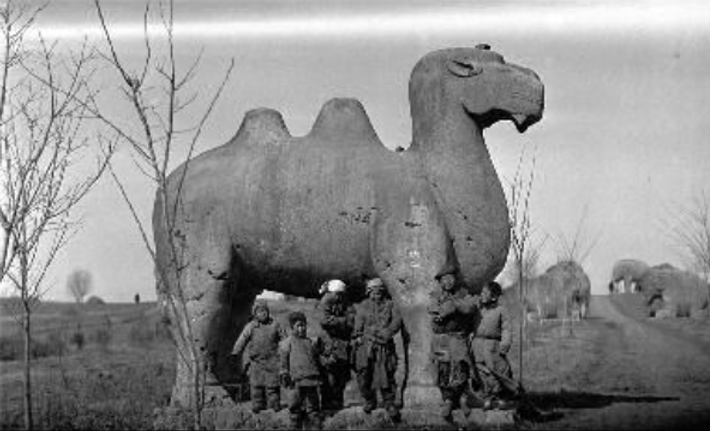
A historical photo of the Ming Tombs, circa 1950s.
Jiaozhuanghu tunnels and exhibit

The Second Tier — but still first rate
Everyone has to make choices. These are all great options, if you have time to visit. Look at a map and try to cluster as many sites that are in the same general vicinity as possible. For example, you can visit Jingshan or Behai after a trip to the Forbidden City. Or combine the Bell and Drum Tower with a visit to Houhai for food, recreation or tourism.
The Bell Tower and Drum Tower
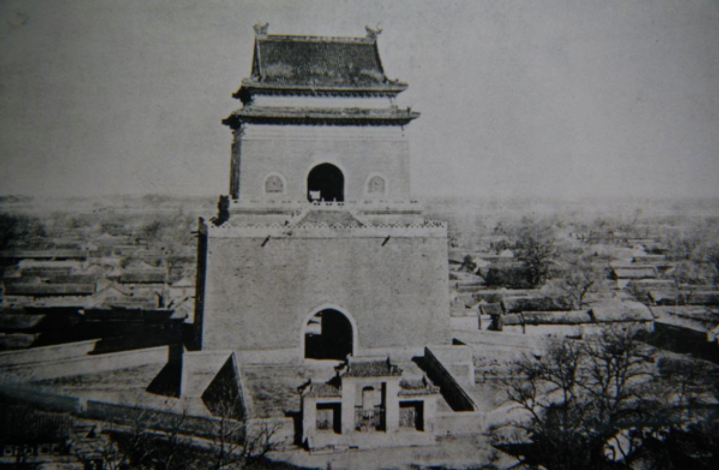
The Drum Tower between the fall of the Qing Dynasty and the Japanese invasion.
Jingshan (Coal Hill)
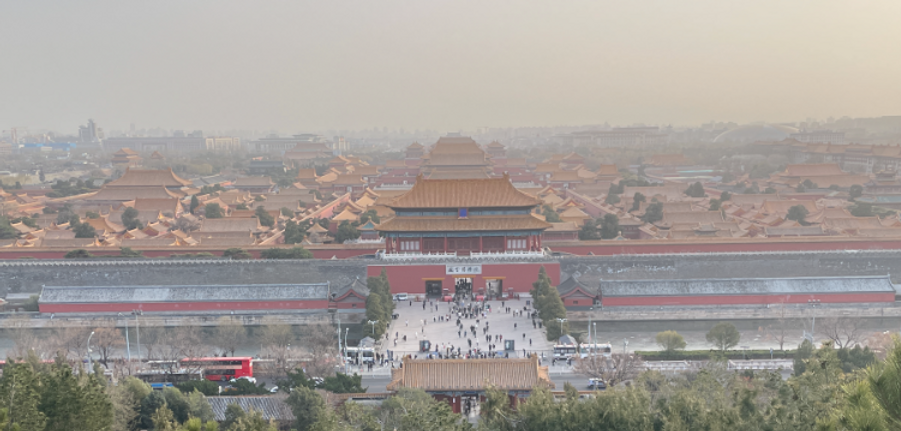
Beihai Park

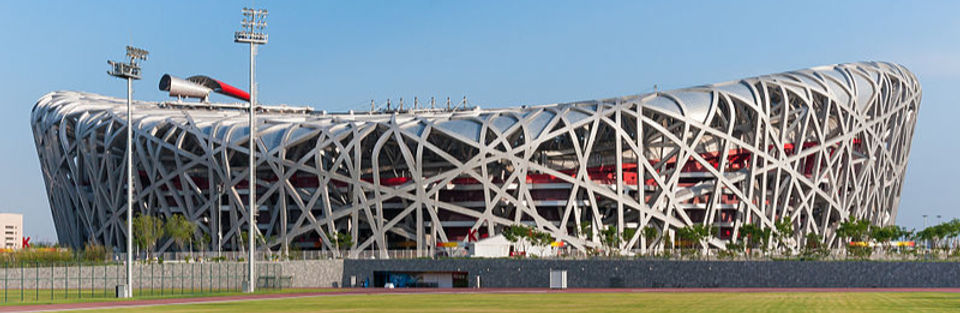
Olympic complex
Military Museum

A young boy practices on a jet aircraft simulator at the Military Museum. (Photo by Rick Dunham)
Hidden Gems
These stops are not in many tour books. But they are all memorable.
Beijing Ancient Observatory

Beijing Ming City Wall Ruins Park

Confucius Temple
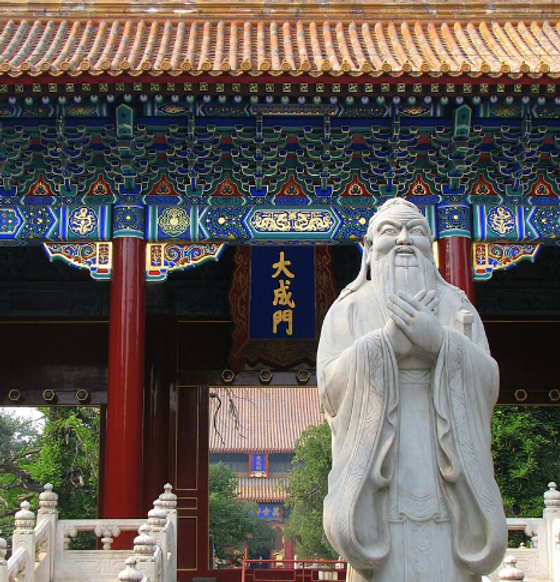
Photo by Rick Dunham
Paleozoological Museum of China

The universities: Tsinghua and Beida
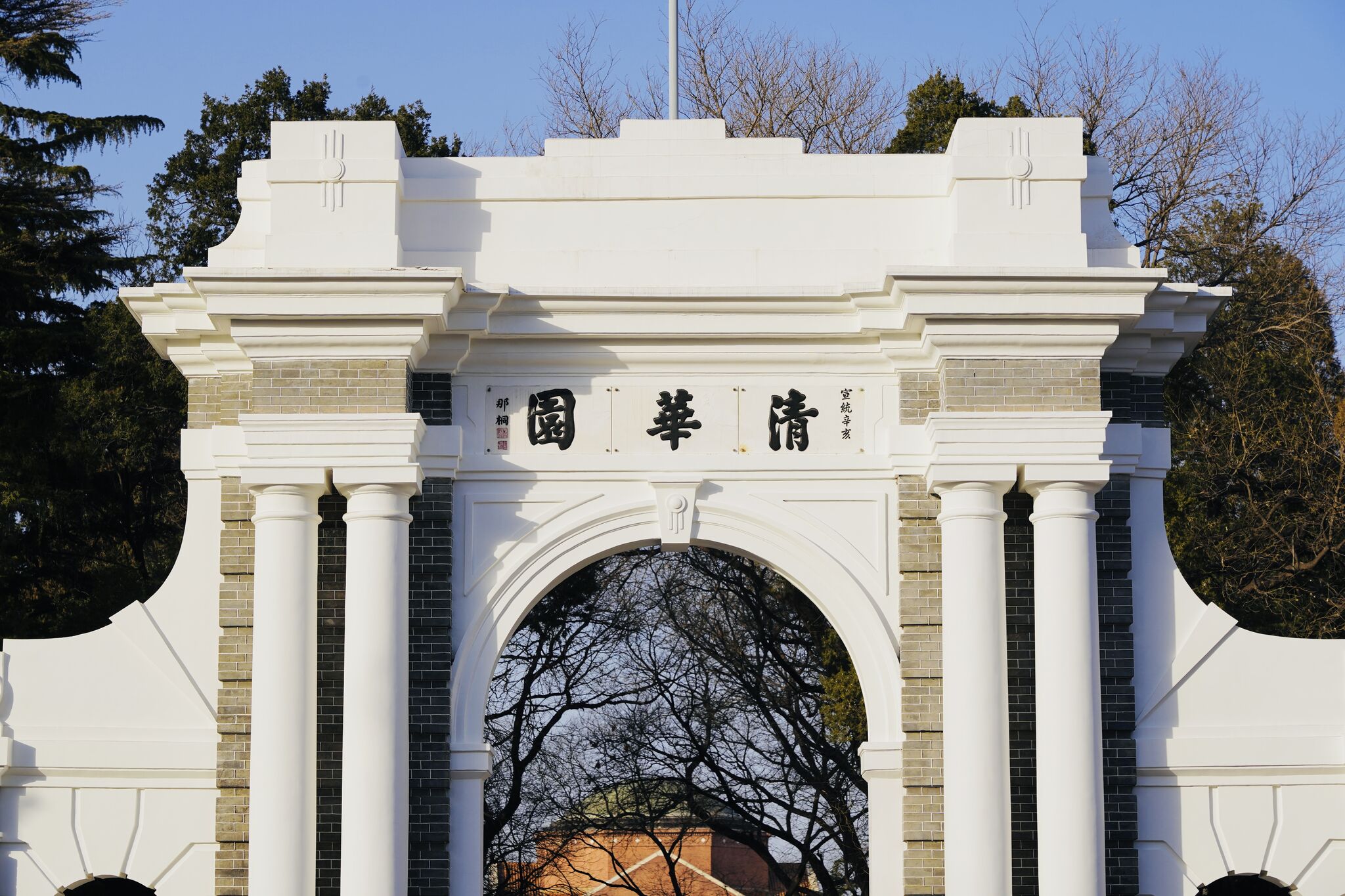
Photo by Rick Dunham
Tea tours

Hutong tours

New and Nice
Beijing has been on a museum building binge in recent years as the ruling Communist Party underscores Xi Jinping’s theme of “the great rejuvenation of the Chinese nation.” Among the results are some interesting new museums that showcase Chinese traditional culture, historical accomplishments and modern might.
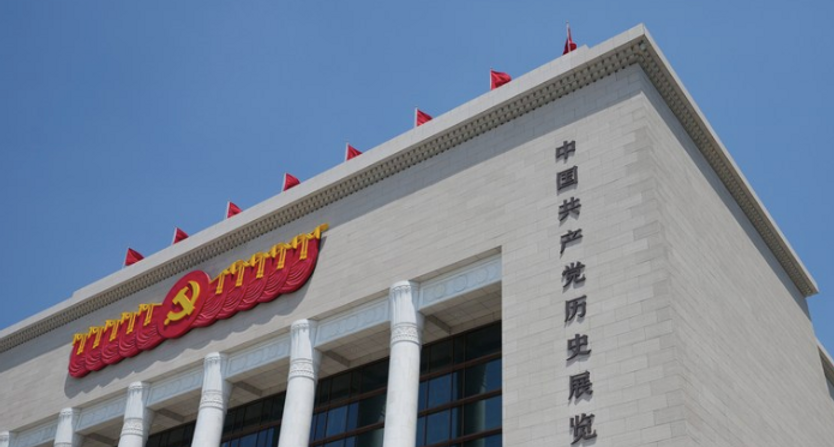
Museum of the Communist Party of China
Chinese Traditional Culture Museum

The Grand Canal Museum

Hiking and outdoor activities
Chinese families love to spend weekends outdoors. Older people spend much of their leisure time in the city’s plethora of parks. Young couples also stroll through the romantic and beautiful surroundings. Whatever your mood, there is a park for you. Whether you are seeking flowers, or a challenging hike, or 50 kinds of bamboo – you can find it somewhere in the Big City. Sometimes it’s free. Otherwise, the entry fee is inexpensive.
Purple Bamboo Park

More than 50 varieties of bamboo are on view at Purple Bamboo Park, located near the zoo. The purple bamboo is the most famous, of course. The yellow duck boats are a favorite for visitors.
Fragrant Hills (Xiangshan)
Olympic Forest Park

China National Botanical Garden

This massive park is known to many locals as the Beijing Botanical Garden. (Photo by Rick Dunham)
Ritan Park (Temple of the Sun)

Popular with younger people
Several zones in Beijing are particularly popular among younger people for their combinations of culture, restaurants, art, entertainment, bars, diverse nightlife, and, yes, even some museums tucked away for further exploration. Many of them are near hutong neighborhoods, which add to their charm, though they can cause you confusion and minutes lost while looking for your destination.
Houhai

Sanlitun

Sanlitun, with its alleys, hutongs and gleaming glass shopping malls, is the social center for young professionals, students and the diplomatic set.
Wudaokou

798 Art District (Dashanzi)

An old warehouse area has been transformed into the funky arts district. For a quarter-century, it is the closest thing Beijing has to a Bohemian quarter, with galleries, cafés and gathering spots for the intellectual set, both Chinese and expat.
Your top tourist attractions in Beijing?
Do you have any more tourist destinations you’d like to add to the list? Please post a comment and explain why you would add your favorite place to this compilation.
A culinary tour of China: 20 regional dishes you shouldn’t miss
Posted: September 28, 2026 Filed under: Discovering China | Tags: China, Chinese cuisine, cooking, Dim Sum, food, Jiaozi, Kung Pao Chicken, Peking Duck, Regional Cuisine, travel, Zongzi Leave a commentBy RICK DUNHAM
When you arrive in China for the first time, you may be dazzled by the skylines, the pace of life or the language. But one of the most unforgettable parts of the experience will be the food. China’s culinary landscape is as vast and varied as its geography, with each region boasting dishes that tell a story of history, climate and culture.
To help you make the most of your time here, we’ve curated 20 essential Chinese dishes every international student should try — from fiery Sichuan classics to delicate Cantonese dim sum, from comforting northern noodles to street snacks that capture everyday life.

🥟 1. Xiaolongbao (Soup Dumplings) — Shanghai
These delicate steamed buns burst with flavorful broth the moment you bite into them. Traditionally filled with pork and a cube of gelatinized stock that melts into soup as the dumpling steams, xiaolongbao are a Shanghai institution.
How to eat: Gently lift one with chopsticks, place it on a spoon, puncture the skin to let the soup cool, then sip and savor.
Where to find it: Nanxiang Mantou Dian (南翔馒头店) in Shanghai’s Yu Garden is the birthplace of this delicacy.
🍜 2. Lanzhou Lamian (Hand-Pulled Noodles) — Gansu / Northwest China
A masterful performance meets a hearty meal. Watch chefs rhythmically stretch dough into strands of noodles with perfect elasticity. The noodles are served in a clear beef broth with slices of meat, daikon radish, chili oil and fresh herbs.
Why it’s special: Every bowl is handmade. The texture is unbeatable.
Budget tip: You can find authentic Lanzhou lamian shops in nearly every Chinese city, including one just outside the main gate of Tsinghua University in Wudaokou.
🌶️ 3. Mapo Tofu (麻婆豆腐) — Sichuan Province
A fiery combination of tofu cubes, minced beef or pork, fermented bean paste, chili oil and Sichuan peppercorns that create the famous má là (numbing-spicy) sensation.
Cultural note: The dish was named after a pock-marked (ma) woman (po) who first served it in Chengdu in the 19th century.
Best enjoyed with: Steamed rice and an adventurous palate. Many students opt for beer, as well.
🦆 4. Peking Duck (北京烤鸭) — Beijing
This imperial dish dates back to the Yuan Dynasty. The crispy skin, tender meat and rich aroma make it a must-try. Diners wrap slices of duck, scallions, cucumber and hoisin sauce in thin pancakes.
Where to go: Quanjude (全聚德) or Da Dong (大董) in Beijing are legendary spots. There is a Quanjude in Tuspark near Tsinghua’s South Gate.
Cultural tie-in: The meticulous preparation of Peking duck reflects the precision and artistry that define Chinese haute cuisine.
🍚 5. Yangzhou Fried Rice (扬州炒饭) — Jiangsu Province
Colorful, balanced and fragrant, this fried rice features diced shrimp, char siu (barbecued pork), egg and vegetables.
Why it’s beloved: A showcase of how simple ingredients can become a work of art through precise cooking.
Try it at: Any local restaurant or university canteen — it’s one of the most universally loved dishes in China. If you have time, make a pilgrimage to Yangzhou for the real thing.

🍲 6. Hot Pot (火锅) — Chongqing & Sichuan
Eating hot pot is less a meal and more an event. Diners cook raw meats, vegetables, tofu, and noodles in a bubbling communal pot of broth — mild or eye-wateringly spicy.
Pro tip: Pair it with sesame dipping sauce and a cold drink to offset the heat. Water is not an antidote, and tea will be overwhelmed by the hot pot flavors. Beer or sour plum juice are much better choices.
Social note: Hot pot is the ultimate student group meal in China — fun, affordable and endlessly customizable. Remember to start with proteins, move on to vegetables and end with noodles.
🥢 7. Jiaozi (Dumplings, 饺子) — Northern China
A symbol of family reunion during Lunar New Year, jiaozi are half-moon-shaped dumplings stuffed with pork, cabbage, shrimp or chives. They can be boiled, pan-fried or steamed.
When to eat: Anytime — breakfast, lunch, dinner, or midnight snack.
Cultural connection: Folding jiaozi with friends is a cherished Chinese tradition.
🍢 8. Chuan’r (Skewers, 串儿) — Xinjiang Influence, Nationwide
Grilled skewers of mutton, beef, chicken wings or vegetables seasoned with cumin and chili powder — street food at its finest.
Where to find: Outside campuses, night markets or barbecue stalls across China.
Student favorite: Cheap, flavorful and perfect for late-night socializing.
🍰 9. Dim Sum (点心) — Guangdong / Hong Kong
A full dim sum experience includes dozens of small plates — steamed buns, shrimp dumplings (har gow), pork buns (char siu bao) and more — all served with tea.
Cultural concept: “Yum cha” (drink tea) is about conversation and community as much as food.
Best spot: Cantonese restaurants in major cities like Guangzhou, Shenzhen or Hong Kong. Beijing has some highly rated dim sum restaurants. Search carefully. Quality varies the farther you travel from Guangdong.

🥬 10. Kung Pao Chicken (宫保鸡丁) — Sichuan Province
A dish balancing sweetness, spiciness and nuttiness — diced chicken stir-fried with peanuts (Mandarin name: Gong Bao Ji Ding), dried chilies and vegetables.
Fun fact: Named after a Qing Dynasty official, Ding Baozhen (title: Gong Bao).
Modern twist: In China, you’ll find versions spicier and less sweet than those served abroad. Also, less gooey and more nuanced. Also, delicious shrimp and cashew variations.
🐟 11. Steamed Fish with Ginger and Soy Sauce (清蒸鱼) — Cantonese Classic
A dish of pure simplicity: fresh whole fish, lightly steamed and drizzled with soy sauce, sesame oil, scallions and ginger.
Symbolism: Fish (yu) sounds like “abundance” in Chinese — making it a must-eat for festivals and celebrations.
Best with: Plain rice to soak up the aromatic sauce.
Delish fish: If you favor the culinary heat of the southwest, try the spicy whole fish boiled in beer from Guilin or Sichuan’s whole fish poached in dried red peppers.
🧄 12. Biangbiang Noodles (Biángbiáng面) — Shaanxi Province
These “belt noodles” are wide, chewy ribbons topped with chili oil, garlic, vinegar and bits of pork or egg.
Name trivia: The character for “biáng” is famously complex — with more than 50 strokes.
Experience: A rustic, hearty favorite from Xi’an that fills both the stomach and soul.
🍍 13. Yunnan Pineapple Rice (菠萝饭) — Yunnan Province
A vibrant tropical specialty from China’s southwest, pineapple rice combines sticky rice, fresh pineapple chunks, raisins and sometimes coconut milk — all steamed and served inside a hollowed pineapple.
Flavor profile: Sweet, fragrant, and slightly tangy.
Cultural note: Reflects Yunnan’s ethnic diversity and Southeast Asian influence.
Perfect for: A colorful treat when you want a sweet dish that’s still distinctly Chinese.
🥠 14. Zongzi (粽子) — Dragon Boat Festival Special
Sticky rice dumplings wrapped in bamboo leaves, filled with savory pork, egg yolk or sweet red bean paste.
Seasonal note: Eaten during the Dragon Boat Festival (usually in June).
Story behind it: Honors the ancient poet Qu Yuan, whose unjust death inspired villagers to throw rice into the river to feed his spirit.
🍠 15. Sweet Potatoes (烤红薯) — Street Snack, Nationwide
Especially in winter, the smell of roasting sweet potatoes wafts through city streets.
Vendors cook them in metal drums — warm, caramelized and naturally sweet.
Student tip: A perfect snack between classes on a chilly day. You can get them just outside almost every Tsinghua campus gate.
🐔 16. Da Pan Ji (大盘鸡, Big Plate Chicken) — Xinjiang
Originally from the Uyghur region of Xinjiang, this hearty dish combines chunks of chicken, potatoes and bell peppers simmered in a rich, spicy sauce. Traditionally served on a large platter over wide, hand-pulled noodles (belt noodles), it’s a filling meal perfect for sharing. It’s one of the signature dishes of the Uyghur restaurant a few hundred meters northeast of Tsinghua’s main gate.
Why it’s beloved: A fusion of Han and Uyghur influences — mildly spicy, aromatic and comforting.
Best eaten with: flat noodles (latiaozi 拉条子) that soak up the savory sauce.
🍡 17. Tanghulu (糖葫芦) — Beijing Snack
A skewer of candied hawthorn berries (or other fruits) coated in a shiny sugar glaze.
Where to find: Sold by street vendors, especially in northern cities in winter. It’s ubiquitous in Beijing, but is especially beloved in Houhai and the Fragrant Hills areas.
Why try it: The sweet-sour combination is unlike anything in Western desserts.
 Stir-Fried Morning Glory
 Guo Bao Rou
Stir-Fried Morning Glory and Guo Bao Rou (Images by Chat GPT)
🥬 18. Stir-Fried Morning Glory (空心菜) — Southern China
Also known as water spinach, this dish is stir-fried with garlic and chili. Simple, healthy and bursting with freshness.
Nutritional note: A great vegetarian option after days of meat-heavy meals.
Common sight: Served alongside rice or noodles in almost every small restaurant.
🥯 19. Jianbing (煎饼) — Tianjin / Northern Street Breakfast
A savory crepe made with wheat and mung bean flour, spread with egg, scallions, chili paste, coriander and a crispy fried cracker (bao cui).
Why students love it: Cheap, portable and customizable — China’s answer to the breakfast burrito. You can get great ones on Chengfu Lu south of the Tsinghua campus and surprisingly good ones in the Zijing canteen.
Fun fact: There are now jianbing food trucks in New York and London run by Chinese expatriates.
🐖 20. Guo Bao Rou (锅包肉, Sweet and Sour Pork) — Dongbei / Northeast China
A famous dish from Harbin, Guo Bao Rou features thin slices of pork loin coated in a light batter, deep-fried until crisp and glazed with a sweet-and-sour sauce that’s lighter and fruitier than Cantonese-style sweet-and-sour pork.
Why it stands out: Unlike southern versions, Dongbei chefs use potato starch for the batter and vinegar for balance, creating a crisp texture that stays crunchy even after saucing.
Best enjoyed with: Plain rice and stir-fried vegetables — a perfect comfort meal for cold northern winters.
Fun fact: It was invented in the early 20th century by a Harbin chef named Zheng Xingwen for visiting Russian guests, combining Chinese and Western tastes.
🌏 Beyond taste: The cultural experience
Trying Chinese dishes isn’t just about eating — it’s about understanding. Each dish reveals something about China’s geography, history, and diversity:
- North vs. South: Wheat-based noodles in the north, rice and seafood in the south.
- Spice vs. Subtlety: Sichuan’s bold heat versus Cantonese balance and freshness.
- Street vs. Imperial: The democratic charm of chuan’r stands beside the artistry of Peking duck.
Eating your way through China is a journey of discovery — of regional identities, communal dining culture and shared joy around the table.
So next time you head out with classmates, don’t just reach for the familiar. Dive into the unknown. Order that fiery Sichuan dish, that mysterious dumpling, that plate of spicy crayfish. You’ll not only find incredible flavors — you’ll experience the essence of China itself.
📍 Quick Guide: Regional Highlights
| Region | Signature Dishes | Flavor Profile |
| Beijing / North China | Peking Duck, Jianbing, Jiaozi | Savory, hearty, wheat-based |
| Dongbei / Northeast China | Guo Bao Rou | Crispy, sweet-sour, bold flavors |
| Sichuan / Chongqing | Mapo Tofu, Hot Pot, Kung Pao Chicken | Spicy, numbing, aromatic |
| Xinjiang / Northwest China | Da Pan Ji, Chuan’r | Spiced, meaty, halal influence |
| Canton / South China | Dim Sum, Steamed Fish, Ma Lai Gao | Fresh, balanced, delicate |
| Yunnan / Southwest China | Pineapple Rice | Tropical, fragrant, Southeast Asian influence |
| Jiangsu / Eastern China | Yangzhou Fried Rice | Refined, colorful, umami-rich |
🧭 Tips for International Students Exploring Chinese Cuisine
- Start local: University canteens often offer regional specialties at low cost.
- Go with Chinese friends: They’ll introduce you to hidden gems and explain ingredients.
- Don’t fear spice: “Mild” in Sichuan still means hot — but your tolerance will grow!
- Learn some food words: Being able to say bù yào là (不要辣, “no spice”) or dà là (大辣, “extra spicy”) can save you surprises.
- Use delivery apps: Meituan and Ele.me are great ways to explore local food from your dorm.
- Be adventurous: Every province has a signature — keep a food diary or social media photo log of your culinary discoveries.
Business journalism’s 5 pillars of purpose: My take on economic reporting’s core principles
Posted: September 28, 2026 Filed under: AI, Dunham's Discourses, Global Business Journalism, Journalism Training, Media, Rick's Rules | Tags: AI, Artificial Intelligence, business journalism, ESG, Global Business Journalism, International Center for Journalists, Journalism Training, Linda Lew, Lise Olsen, Mark Hamrick, Media, News business, Sharon Moshavi, watchdogs, writing Leave a commentBy RICK DUNHAM
In a media world transformed by digital disruption, economic volatility and the never-ending news cycle, high-quality business journalism has never been more essential for citizens around the world — or more challenged by a convergence of economic and political forces. Amid social media misinformation, corporate spin, government pressure and declining trust in institutions, the mission of business news organizations has evolved to serve a public increasingly hungry for clarity, accountability and context.

While styles of business news coverage vary across platforms and countries, five core goals remain central to economic reporting in the modern era.
These five fundamental missions — informing the public, interpreting economic trends, holding power accountable, guiding decision-making and spotlighting broader economic shifts such as innovation and inequality — are the cornerstones of meaningful, responsible business journalism. Let’s take a look at each of them.
1. Informing the public: Gleaning clarity from complexity
At its heart, business journalism exists to inform. It demystifies complex economic developments, financial markets, and corporate affairs for a broad audience. From interest rate hikes to stock market volatility, from GDP reports to global supply chain disruptions, the goal is to translate jargon into accessible language without sacrificing nuance.
“Business journalism has always been important but never has it been more important than right now,” Mark Hamrick, founder of the Hamrick Brief, told Global Business Journalism students. “This obviously is a remarkable time in human history — the rate of change is remarkable. The ability to tell a story well is one of the most important skill sets we have.”
Good business coverage doesn’t just report the what — it explains the why and the how, helping readers understand how distant decisions by central banks, tech CEOs, or energy producers can affect household budgets or career prospects.
2. Interpreting trends: Context beyond the headlines
Modern business journalists are not merely stenographers of the day’s earnings calls or labor reports. They are interpreters — placing economic and corporate events in a broader context. Why does a stronger dollar matter? What does a jobs report signal about inflation? How does a tech company’s quarterly performance hint at shifting consumer habits?
“Every news story needs a paragraph on the significance or context of the news and business news is no different,” noted Jeffrey Timmermans, a longtime Wall Street Journal reporter now working at the Reynolds Center for Business Journalism. “Each business story should explain why the news matters to the reader.”
Interpretation has become even more critical in an era where data is abundant but understanding is scarce. Long-form explainers, data journalism, podcasts, and interactive graphics have become key tools for business reporters helping audiences grasp long-term trends — from climate finance to the future of AI.

3. Holding power to account: Watchdogs in the boardrooms and beyond
Perhaps the most vital and difficult of business journalism’s missions is accountability reporting. This includes exposing fraud, investigating regulatory failures, scrutinizing executive behavior and tracing the flow of money and influence in both the public and private sectors.
Whether covering the fall of FTX and Sam Bankman-Fried, probing the causes of the 2008 financial crisis or revealing how fossil fuel corporations shaped perceptions of climate change in much of the world, investigative business reporting plays a key role in serving the public interest.
“Customers, investors, pensioners, employees and taxpayers all have been harmed in recent years by a reckless disregard at the highest levels of companies,” Gretchen Morgenson, a Pulitzer Prize-winning financial journalist, told a Wharton School leadership conference. “If the people who have created these disasters and profited from them are allowed to slink off into the night, then I think we will be confirming the suspicion that the paths of the powerful are protected, and that the little guy is left to fend for himself.”
In the wake of growing public anger over wealth inequality and the power of transnational global corporations, the watchdog role of business journalism is ethically important — and it is increasingly expected by audiences, even in countries with some limits on press freedom.
4. Guiding decisions: Practical tools for spending, work and wealth
Another core mission of business journalism is helping individuals and institutions make informed choices — whether about investments, careers, consumption or business strategies.
This service-oriented aspect has grown in popularity and sophistication, with media brands like Bloomberg, CNBC, Morning Brew, and The Wall Street Journal offering targeted newsletters, personal finance columns, real-time market updates, and deep industry analysis.
In short, business news has become more personal. Increasingly, it’s not just about what Apple or Tesla did — but about what you should do next. That could be consumer decisions, investment choices or retirement options.
“People read our words, based on which they shape their own opinions and make decisions,” Colin Pope, editor of Austin Business Journal, told students in the Global Business Journalism program’s Business News Reporting and Editing course.
Not every economic journalist is up to the challenge of simplifying the numbers and explaining complex data. The 2025 Barnum Financial Group “Study of Americans in the Workplace“ found that 39% of respondents felt intimidated by financial complexities, contributing to “a population struggling to access and understand the financial resources they need” to make economic decisions.
The clearer business journalists can be in their data analysis and reporting, the more confident their audience can be in decision-making.
Morgenson, now a senior reporter for NBC News Investigations, says her aim as a reporter is to “simplify complex financial dealings so all readers can understand them. Although I am thrilled to have received an array of journalism awards over my career, the most rewarding aspect of my work is helping readers cut through financial fog and protect themselves and their families.”
5. Telling the broader economic story: Innovation and inequality
Today’s business journalism must also capture the complex forces shaping the 21st-century economy: rapid innovation, increasing inequality, and the battles over globalism and global economic dominance.
From covering the rise of artificial intelligence and green energy startups to exploring the gig economy, inconsistencies in labor rights from nation to nation, and the gender pay chasm in some countries, business journalists are storytellers of transformations and of stubborn traditions.
More often than not, those stories are not simply “bottom line” business stories but are societal narratives that often touch on local and national politics, social justice concerns, minority rights, women’s rights and environmental policy.
“Journalists are needed more than ever to bear witness to history,” Linda Lew, a reporter for Bloomberg News in Hong Kong, told Global Business Journalism program students.
This increased coverage of economic justice issues means that ESG (an acronym for Environmental, Social and Governance) investing issues, and diversity in corporate leadership, are no longer niche coverage areas. They are central to understanding the modern economy — and to building trust with younger, values-driven audiences. Coverage of the rise of far-right populism from the Americas to Europe requires skill in both economic and political analysis.
What’s more, in the midst of today’s rapid innovation, business reporters must be prepared to cover the industries of the future, from green technologies to artificial intelligence. Beat coverage can range from profiles to narratives, corporate profit deep dives to investigative pieces about venture capital fundraising attempts.
Reporters covering these emerging industries (and markets) must be able to explain — in simple language — what the technology is and what its impact will be on the lives of people around the world. They also will be called on to cover the business end of companies in a boom-and-bust world that sees spectacular successes, meteoric flameouts and a few criminal prosecutions. All of which are exciting — and challenging — for the reporters covering the story.

The future: Business journalism in the digital age
As the digital economy has expanded, so too has the media ecosystem covering it. Traditional print and television outlets now compete with newsletters, TikTok explainers, YouTube analysts, Substack authors, and especially influencers with strong opinions about crypto or real estate. To demonstrate the power of the influencer culture: More Americans got news about the 2024 presidential election on TikTok from influencers and celebrities than from traditional news organizations’ video feeds, according to Pew Research Center findings.

Yet even amid information overload and the cacophony of facts, opinions and rumors, professional business journalism remains distinct. It is evidence-based, ethically grounded, and committed to transparency.
“There may not be a single truth, but a fact is still a fact,” said Sharon Moshavi, president of the International Center for Journalists. “Everyone is entitled to their opinion, and there is no such thing as absolute and ultimate truth. But a phone is a phone. My AirPods are AirPods … And I think only then are we going to get to that world I like where facts reign.”
Truth is not journalism’s only challenge. Revenue models are shifting. Audiences for traditional media are rapidly shrinking. Misinformation spreads quickly. Reporters face pressure to produce more with fewer resources. And AI tools are transforming how news is gathered and delivered.
Still, the mission endures.
“I’m always looking for something that is hidden, something people don’t want other people to know,” said Lise Olsen, Houston-based investigative reporter focusing on crime, corruption, workers’ safety and human rights, during a lecture to Global Business Journalism students.
This report first appeared on the Global Business Journalism program website.
A short history of tariffs — and why Trump’s actions mark a radical break from global trade history
Posted: September 27, 2026 Filed under: Dunham's Discourses, Journalism Training, U.S. politics | Tags: Adam Smith, Alexander Hamilton, China, Donald Trump, economy, international economics, international relations, Milton Friedman, politics, Smoot-Hawley, tariffs, trade, trade war, trump, Tsinghua University, United States, William McKinley Leave a comment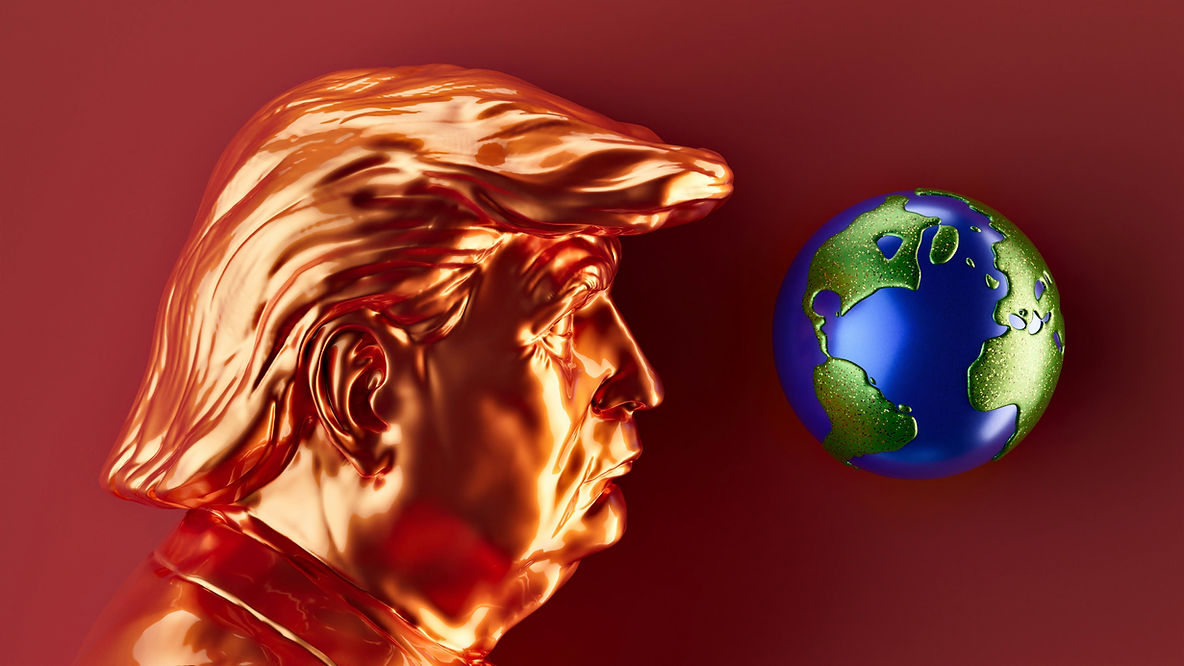
By RICK DUNHAM
For most of human history, governments have taxed goods crossing their borders. Tariffs — taxes levied on imports or exports — have financed empires, protected domestic industries, and punished foreign rivals. They’ve sparked wars, crashed economies, and redefined alliances.
Yet the ongoing tariff war between the United States and the world doesn’t fit neatly into any of the old molds. Rather than being a tool to nurture domestic industry or fill government coffers, tariffs are now being wielded as weapons in a sprawling contest over global power and economic dominance.
“We are seeing an upending of the whole economic order,” said Robert Blecker, an American University economist, “and the rules-based trading system that has been in effect since 1945.”
In its place, he told Global Business Journalism students at Tsinghua University, is “a Hobbesian war of all against all,” referring to the 17th century English social and political philosopher who wrote that people are inherently selfish.
With American President Donald Trump aiming at China as the top target in his massive global tariff offensive, the stakes have grown even higher — signaling a deepening rift that could reshape the global economy for decades.
“China must fail — Trump knows this,” pro-Trump influencer Benny Johnson tweeted to his 3.7 million followers on April 10. “This is more than just a trade war.”
Trump began his sprawling trade wars as soon as he took office on January 20, 2025, by targeting hemispheric allies Mexico and Canada. He took his tariff wars global on April 2 — a date he dubbed “Liberation Day” — with massive levies on dozens of jurisdictions, including some uninhabited islands. After backing down temporarily following a sharp dive in American and global stock markets, Trump restarted his tariff push in early July with daily social media missives targeting trading partners that had incurred his wrath, from Brazil to the European Union, Mexico to Myanmar.
The mercurial president’s reasons ranged far beyond traditional economic excuses for tariffs. For example, he threatened Brazil for prosecuting his close friend, former president Jair Bolsonaro, for staging a failed coup in an attempt to maintain power after losing a reelection race.
Trump believed that his threats would convince nations around the world to line up to follow Great Britain and Vietnam to negotiate trade pacts on terms favorable to the American administration. But most economists, historians and foreign policy experts instead predict more economic chaos and reality show psycho-drama.
“Under Trump’s stewardship, American trade diplomacy has ceased to be a tool of engagement and become a weapon of spectacle,” international affairs analyst Imran Khalid wrote recently in The Hill.
As much as Trump’s actions pleased his strongest supporters at home, many nonpartisan analysts say the passions unleashed by the American president’s on-again, off-again tariffs — which have increased global trade levies to their highest levels in a century — jeopardize the stability of the world’s economy.
“The [Trump] administration is playing with fire,” said Joe Brusuelas, chief economist at RSM.
Already, consumers and businesses have been burned. Around the world, companies are blaming tariffs for depressed consumer demand and lower-than-expected profits. Trump’s unilateral tariffs were struck down by the U.S. Supreme Court as unconstitutional, but the president responded by imposing another round of tariffs, daring the high court to swat him down again. The impact, for business, is unsettling.
“I don’t know what to put for this next headline, so I just kept it simple: tariffs, tariffs and the possibility of more tariffs,” the CEO of luxury furniture retailer RH, Gary Friedman, said on an earnings call while explaining forecasts of declining sales.
From Mesopotamia to McKinley: A brief history of tariffs
To understand why Trump’s tariff obsession is historically unusual, we first have to understand how tariffs evolved.
Start with this historical anomaly: Trump is the first leader of a state to use tariffs to destabilize the global economy or create economic chaos as a political strategy. Let’s go to the history books…
Tariffs — taxes on imported goods — have been around as long as nations have traded. The earliest tariffs were essentially tolls. In ancient Mesopotamia, merchants moving goods through city-states paid taxes at gates and ports. Ancient Athens imposed customs duties on goods entering its harbors; medieval European towns taxed merchants entering city gates. Small kingdoms collected duties at rivers and bridges, not out of economic strategy but because those rulers needed revenue.
Mercantilism, the dominant economic philosophy from the 16th to 18th centuries, gave tariffs a political purpose. Under mercantilist thinking, national wealth was measured by the accumulation of gold and silver. Exporting goods brought money in; importing drained it. Thus, heavy tariffs on imports became common.
One example is Britain’s Navigation Acts of the 17th century. To enrich itself and weaken rivals, Britain required that goods imported to its colonies come via British ships — often with tariffs that discouraged buying from foreign competitors.
Tariffs: American policy tool
However, tariffs were also key to early American economic development. After independence, the United States — lacking an income tax — used tariffs as its primary revenue source. As Alexander Hamilton, the United States’ first Treasury Secretary, argued in his 1791 “Report on Manufactures,” tariffs could protect the fledgling American industry from dominant British manufacturers.
“In countries where there is great private wealth, the public revenue may be derived, in a considerable degree, from it,” Hamilton wrote. “But in a country where there is little capital, taxes on consumption… are more convenient.”
Tariffs are often embraced by politicians, but they are widely despised by free-market capitalists. Adam Smith, in his 1776 classic “The Wealth of Nations,” wrote that tariffs foster economic inefficiency and complacency among protected industries. Two centuries later, Nobel Prize-winning economist Milton Friedman complained that “tariffs protect a few producers at the expense of a much larger number of consumers.”
In the decades leading up to the American Civil War, tariffs became a political flashpoint. The so-called “Tariff of Abominations” of 1828, which sharply raised duties on raw materials and manufactured goods, enraged Southern politicians and business elites, who saw themselves as victims of Northern industrial power. It triggered the Nullification Crisis, a constitutional confrontation over states’ rights between South Carolina and the federal government.
Abraham Lincoln’s Republican Party platform in 1860 was explicitly protectionist, arguing that tariffs “secure to the American laborer the full rewards of his industry.” Lincoln reflected the world mindset. Globally, tariff walls defined commerce until well into the 20th century. Many nations used tariffs to promote “infant industries,” a concept formalized by German economist Friedrich List in the 1840s. Protection, he argued, was necessary to allow industries in developing nations to catch up with more advanced economies.
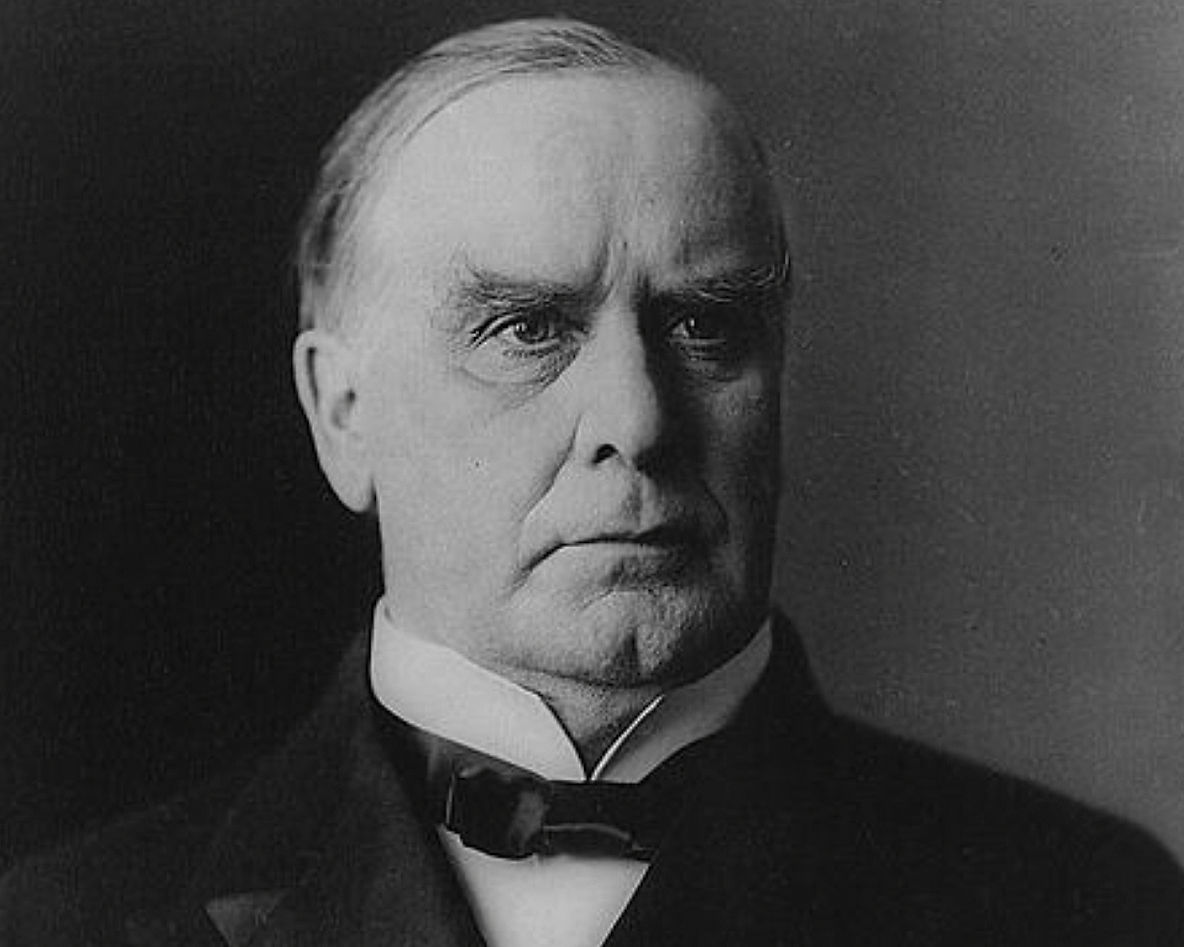
Donald Trump’s historical hero, William McKinley, created a tariff war in 1890 with neighbor Canada and Europe by writing a law as an Ohio congressman raising tariffs to 50% at the behest of American “robber baron” industrialists. The ensuing economic depression and political backlash cost Republicans 93 House seats and the White House in the 1892 mid-term elections. As president four years later, McKinley found a new use for tariff revenue: to fund a war with Spain that created a nascent American Empire from Puerto Rico to the Philippines.
Toward freer trade
In the United States, the creation of the income tax in 1913 ended the need for tariff revenue to fund federal government spending. But as the world spiraled into the Great Depression in 1930, President Herbert Hoover signed into law the infamous Smoot-Hawley Tariff Act, which raised U.S. tariffs on more than 20,000 goods, prompting retaliatory tariffs from other countries and a global collapse in trade. Tariffs were blamed for deepening the worldwide depression and abetting the rise of fascism. After the devastation of World War II, the world shifted toward lower trade barriers and fewer tariffs.
In the post-war world, nations established a new trade order. The General Agreement on Tariffs and Trade (often shortened to GATT), signed in 1947, sought to gradually reduce tariffs and other barriers. Over the next decades, through successive “rounds” of GATT negotiations, tariffs fell dramatically among developed nations.
This period of liberalization culminated in the creation of the World Trade Organization in 1995, giving the world its first comprehensive, enforceable set of trade rules. Tariffs trended downward, global trade trended upward, and extreme poverty dropped significantly around the world. Benefits to the new world order were widespread, but there were many losers, particularly in wealthier countries like the United States and stagnant nations like Russia, where manufacturing facilities shuttered or shifted to other places.
Through successive “rounds” of negotiations, countries agreed to reduce tariffs drastically. In the United States, average tariffs fell from about 20% in the 1930s to less than 5% by the 1990s. Globally, the pattern was similar. Trade exploded, and prosperity (though unevenly) followed.
China’s story fit neatly into this narrative — for a while. After decades of isolation, Beijing joined the WTO in 2001, promising reforms in exchange for access to global markets. U.S. leaders at the time believed that integrating China into the world trading system would encourage political liberalization and bind it to international norms. China’s economic system liberalized, to some degree, but its political system did not.
U.S. consumers benefited from the influx of inexpensive Chinese-produced goods, from toys to toasters, sneakers to solar panels. At the same time, American political leaders in both parties accused China of ignoring international trade rules, breaking bilateral agreements to open markets to American products and services, violating human rights, and stealing intellectual property. China accused the U.S. of bullying and interference in its domestic affairs.

The tariff wars, 2018 to 2025
Tensions between Washington and Beijing simmered for years, but they boiled over during the first Trump administration. In 2018, President Donald Trump imposed $350 billion of tariffs on Chinese goods, citing unfair trade practices, intellectual property theft, and massive trade imbalances.
China retaliated with tariffs of its own, matching U.S. tariffs almost dollar-for-dollar. Suddenly, two of the world’s largest economies were locked in a tit-for-tat spiral that affected industries from agriculture to technology.
The stakes weren’t just economic. Rather than fighting over sales of soybeans or jets, the tariffs were part of a struggle over controlling the rules of trade for the 21st century. Trump administration officials argued that tariffs were a necessary weapon against Chinese-style mercantilism, a system where state-owned enterprises received massive subsidies, foreign companies were forced into technology transfers, and markets were systematically distorted.
While there was a brief thaw — notably the 2020 “Phase One” trade deal, in which China agreed to buy more American products — underlying tensions never truly eased. American officials accused China of failing to comply with its promises to purchase those U.S. products.
When Joe Biden defeated Trump in 2020, many expected a tariff rollback. Instead, Biden kept most levies in place, while introducing new targeted measures on Chinese technology and semiconductors, emphasizing national security concerns.
But domestic political pressure ahead of the 2024 presidential election created a news flashpoint. In May Biden announced a 100% tariff on all Chinese electric vehicles and a 50% levy on solar cells. The move came after U.S. automakers warned that a flood of inexpensive Chinese EVs was threatening their survival, and unions, environmentalists and human rights organizations pressed Biden to punish China.
“We cannot trade a dependency on foreign oil for a clean energy future reliant upon China,” Ben Jealous, then the executive director of the environmentalist Sierra Club said at a 2024 White House event.
China responded swiftly. Within days, Beijing imposed tariffs of up to 50% on U.S. agricultural exports, including soybeans, corn, beef, and dairy products. The Chinese Ministry of Commerce accused the U.S. of “naked economic bullying” and filed a formal complaint with the World Trade Organization.
Why this war is different — and more dangerous
Trump returned to office in 2025, declaring that “tariffs” was his favorite word. He wasn’t joking. He began implementing tariffs in his first day in office and took only two months to target China.
Compared to past tariff disputes, like the Smoot-Hawley Tariff Act of 1930 or the U.S.-Japan trade tensions of the 1980s, the current situation is more expansive, more ideological, and more deeply entwined with national security.
- In the 1930s, tariffs were mainly about protectionism amid a global depression.
- In the 1980s, disputes with Japan focused on market access, with eventual negotiated settlements.
- Today, tariffs are instruments in a struggle over who controls the technologies and supply chains of the 21st century.
Historically, the American Congress maintains power to levy tariffs. But Congress in the 1970s delegated that power to the president in specific emergency situations. Presidents Trump and Biden have used the power in unprecedented ways over the past decade to impose new tariffs without the approval of Congress.
There are four other major reasons why the Trump tariff wars are more dangerous than the escalations of the past 150 years:
- They are no longer confined to particular industries like steel or solar panels. Entire sectors — especially in green technology, digital goods, and agriculture — are now battlegrounds.
- Tariffs are being paired with non-tariff weapons: export controls on critical technology, bans on Chinese apps, investment restrictions, and visa limits on scientists and engineers.
- In one of the starkest breaks from historical norms, tariffs are now intertwined with national security concerns. The Trump and Biden administrations alike have cited China’s control over critical supply chain, from rare earth minerals to semiconductors, as reasons for tariffs and investment restrictions. Biden’s national security adviser, Jake Sullivan, said in 2023 that American trade policy was about “safeguarding national security” and protecting “the very foundations of our economic future.”
- The trade wars are being framed explicitly as a clash of economic systems, not only about unfair trade practices.
“I’m really excited that we are rallying Americans to be anti-China,” self-proclaimed America First journalist Laura Loomer, an informal Trump adviser, posted on the social media platform X. “We need more anti-CCP energy in our country,” she added, referring to the Chinese Communist Party. “It’s about time that we wake people up to the fact that the CCP is our enemy.”
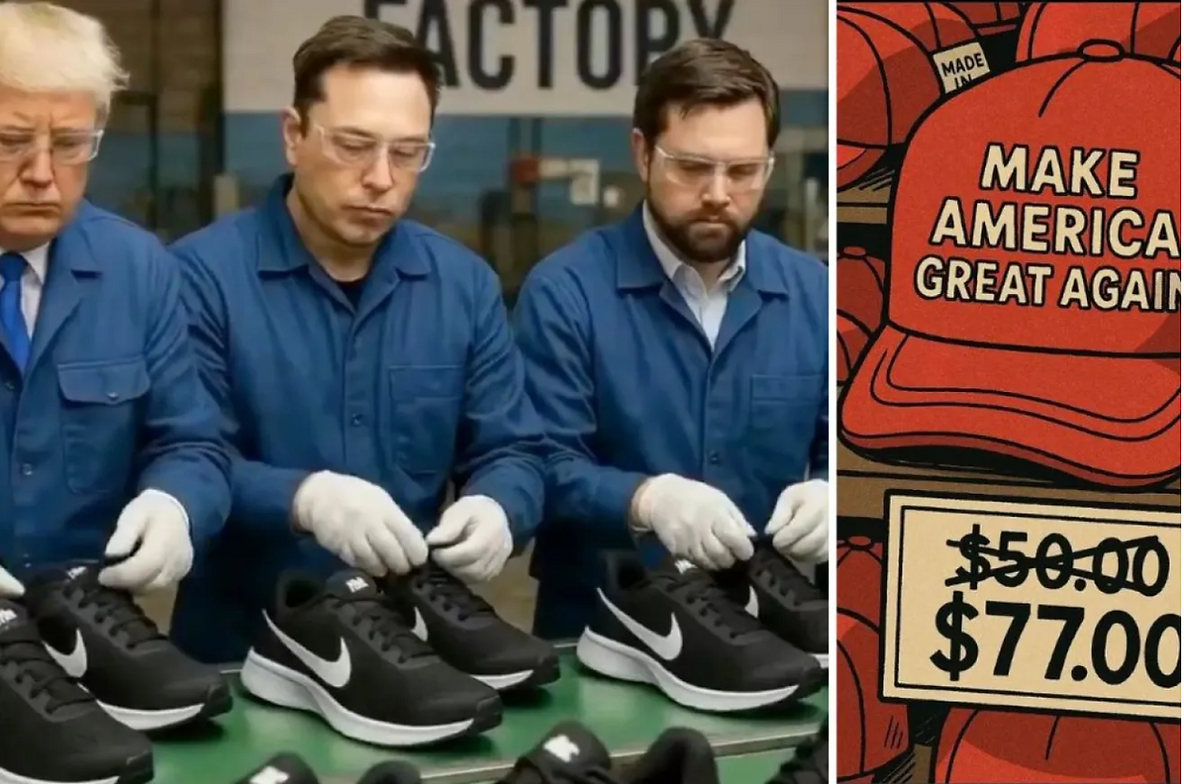
American politicians are heating up the rhetoric in a bipartisan frenzy. Congress in March passed the American Supply Chains Protection Act, mandating that critical goods (like semiconductors, pharmaceuticals, and rare earth elements) must be manufactured either domestically or in “trusted partner nations.” Chinese firms were explicitly excluded.
“To achieve a strong, resilient, supply chain, we must have a coordinated, national strategy that decreases dependence on our adversaries, like Communist China, and leverages American ingenuity,” said Senator Marsha Blackburn, a Tennessee Republican.
China’s state media responded by ratcheting up its rhetoric to levels reminiscent of the Cold War.
“The U.S. should stop whining about itself being a victim in global trade and put an end to its capricious and destructive behavior,” the Communist Party’s China Daily wrote in an editorial. “It has outsourced its manufacturing and borrowed money in order to have a higher standard of living than it’s entitled to based on its productivity. Rather than being ‘cheated,’ the U.S. has been taking a free ride on the globalization train.”
Trump compounded the economic damage by picking trade wars with his country’s two other largest trading partners, Canada and Mexico. He repeatedly declared his interest in making Canada America’s 51st state and unilaterally imposed 50% tariffs on a wide range of Canadian imports without provocation. Canada’s government responded with measured retaliation, but Canadian citizens retaliated with a wide-ranging boycott of the U.S. tourism market in 2026.
Amid this political psychodrama, and the economic uncertainty it creates, there has been real economic damage:
- U.S. inflation spiked in early 2025, as higher tariffs on EVs and electronics drove up consumer prices. As tariffs came and went, the affects on inflation varied, but economists estimated that they were responsible for continuing higher levels of consumer costs into late 2026. The U.S.-Israeli war on Iran created an energy price spike and a further inflationary spiral around the world.
- U.S. farmers face a second major hit, eerily reminiscent of the 2018–2019 pain, as Chinese buyers pivoted to Brazil, Argentina, and Russia for agricultural imports. Even after the China-U.S. truce went into effect and Chinese began small purchases of U.S. soybeans, Trump’s trade wars with Canada, Mexico and Europe had caused even more damage to American agricultural exports.
- Global supply chains are scrambling again. Companies that once thought they had weathered the U.S.-China trade storms are now exploring further diversification to India, Vietnam, Mexico, and Eastern Europe.
China, meanwhile, accelerated its “dual circulation” strategy — focusing on domestic production and internal consumption to lessen reliance on U.S. technology and markets. Chinese manufacturers have shut down production, at least temporarily, in factories in Guangdong and other provinces. Some companies are exploring outsourcing to lower-cost labor markets.
The Chinese government has reached out to nations around the world, from ASEAN countries in Southeast Asia to the European Union, to renew its commitment to the pre-Trump global trading order. But most countries are responding warily, as Trump seeks to negotiate bilateral deals.
“Nothing is certain but uncertainty when it comes to Trump tariffs!” Tengku Zafrul Aziz, Malaysia’s Minister of Investment, Trade and Industry, posted on LinkedIn.
The WTO estimated in April that reciprocal tariffs would slash the 2025 global GDP by 0.6%. The World Bank warned in an April 2025 report that a fully decoupled global economy could shave 2% off world GDP by 2030 — trillions of dollars in lost wealth. The current situation has been described as a “slow-motion fracture of the world trading system.” With Trump insistent on a permanent tariff regime, it is difficult to tell if his administration, which ends in January 2029, is an aberration or a herald of a permanently fractured system.
Global consequences
Tariffs have always been about more than just economics. They are tools of power and leverage, expressions of national priorities and fears.
But the 2025 U.S.-China tariff war marked a profound shift. It is not just a fight over trade imbalances, but a battle over the very future of global order and the hegemonic ambitions of the world’s two largest economies.
Each twist and turn in the war — each up and down in stock markets — is the subject of social media trolling and government spin. Chinese nationalists were particularly gleeful when Trump retreated from 145% to 30% tariffs on May 12. Beijing dropped its levies on U.S. goods to 10%. There have been a series of truces agreed to by both sides, the latest lasting until after the 2026 midterm elections in the United States.
“This is called, ‘victory,’” Hu Xijin, the retired editor of the state-controlled Global Times, reveled on the Weibo social media platform. “Today we have definitely driven the Americans back to the 38th parallel! [a reference to the pre-war Korean border].”
Hu’s allusion resonates deeply among Chinese superpatriots. More than 1 million Chinese troops famously drove American and other United Nations troops to retreat to near the 38th parallel after the UN forces had conquered nearly all of North Korea in the fall of 1950 in a counteroffensive following the North’s summertime invasion of the South. The war ended in 1953 after more than two additional years of bloody stalemate.
Today’s war is not being fought by soldiers but by lawyers and customs agents. Whether the world moves toward deeper fragmentation or finds a new equilibrium will depend on political will, economic realities, and, perhaps, a willingness to learn from the lessons of history.
“It is an enduring lesson of history: protectionism may feel good in the short term, but it inevitably isolates and impoverishes in the long run,” says Imran Khalid.
If the United States and China do not reach a permanent cease fire in their trade war — and Trump does not back down on universal tariffs — the entire global economy will suffer, says Callum Glennen of the World Finance website.
“No one wins,” Glennen wrote. “It will be challenging to identify a winner from the fallout of the rounds of sanctions that China and the U.S. are throwing at one another, since there is not a clearly defined goal for either side. Both economies will suffer from the tariffs, and neither is likely to see a significant redevelopment of their local industries.
“The concerns of the U.S. regarding alleged intellectual property theft by Chinese firms may be addressed, but whether that will result in a reduction of the trade deficit is unknown. Based on the U.S.’ history, the damage from a fully fledged trade war could be significant.”
This story was originally written for the Global Business Journalism program website. It was part of a series of articles created by the Global Business Journalism program to help reporters worldwide cover trade and other economic policy issues. Access the business journalism toolkit here.
Note: Economist Robert Blecker, quoted above, died after his guest lecture at Tsinghua University.
How to write an easy-to-understand business or economic news story
Posted: September 27, 2026 Filed under: Dunham's Discourses, Journalism Training, Global Business Journalism | Tags: business journalism, economics, personal finance, audience, analytical skills, writing 2 Comments
By RICK DUNHAM
Despite a plunge in newspaper jobs of more than half since 2000, business news is a growth industry that has created new opportunities for journalists in print, digital and newsletter formats.
And for some very good reasons. Business news is not the latest journalism fad; it never goes out of style. Economic news explains our world. Business and personal finance are central to our lives. Our world is more interconnected economically than ever before, as we saw in April with the global stock gyrations following U.S. President Donald Trump’s tariff announcements. In tough times — as business leaders such as BlackRock CEO Larry Fink are predicting for 2025 — economic news is more important to us than ever.
So even if you aren’t applying for a job at a business news outlet, you need to improve your skill set to effectively cover economic issues. Every journalist should be able to write about business or economic topics with comfort and ease.
Here are 11 tips to help you write easy-to-understand and impactful business reports:
(1) Know your audience
Are your readers well versed on business topics in general? Do you write for a general audience? Are you looking for specialty stories for your region, or regional stories about a national (or global) topic? Your approach to today’s big news story is likely to vary so you can engage your audience.
Example: If you’re covering trade wars, are you writing for a national, international or local audience? Does your audience skew toward highly educated businesspeople or investors who understand the economics of tariffs and are familiar with concepts such as the World Trade Organization (WTO), the Doha Round, Section 201 and export controls? Do your readers want to know how higher tariffs will affect local consumers, small businesses or hometown jobs? Do you serve a specialty audience interested in a sector of the economy such as agriculture, an industry like soybeans, or demographic groups ranging from investors to the elderly? The major facts don’t change, but your reporting angle and writing style do.
(2) Be an expert
If it’s your beat, you already are. If you’ve been assigned a story on an unfamiliar topic, do your homework. Research, research, research! Talk to experts in the field. Talk to academics, trade groups, labor leaders, public officials. Hear what “real people” really think.
You need to master the subject before you can communicate with clarity. Economic journalists must heed Albert Einstein’s famous words, “If you can’t explain it simply, you don’t understand it well enough.” If you can’t explain it simply, do more research.
(3) Hone your analytical skills
To add value to your coverage, you must go far beyond the “what” of what has happened. You have to be able to explain why the story is important. Offer historical context or present your story in the broader context of the national or global situation.
Here’s a good guide to smart analytical story structure. What happened + what comes next? What happened + why it happened. What happened + how it happened. What happened + its impact.
In addition to your personal expertise, you should take advantage of specialists in the field. Bloomberg News recommends interviewing neutral experts. Industry, corporate or labor representatives can add insight to business stories from their particular perspectives. (Just avoid spin and propaganda.) Public officials, NGOs, citizen watchdog groups, academics and think tanks all can offer quotations, data and other information that reinforce your analytical framework.
[Read more: 10 tips for covering legislative bodies]
(4) De-mystify business
Despite hundreds of acronyms and business terms bandied about by MBAs and investment counselors, economics is not an academic pursuit or a complicated science beyond the reach of mere mortals. It is real life. And the stories can be told using simple English.
Avoid acronyms. Define technical terms in succinct, simple-to-understand phrases. (Example: If the president invokes “Section 301 powers,” explain that it is a section of a 1974 trade law that empowers the U.S. to penalize unfair trade practices of foreign countries that harm American commerce.)
Don’t make business pieces more complicated than they have to be. Just tell the story like you are describing it to a friend. Or your mother.
(5) Think of both the small picture and the big picture
When you are conceptualizing your story, ask yourself some key questions: How does today’s news fit in the bigger picture of the topic? Who wins and who loses? What is the impact on your audience and on “real people”?
Here are a few ways you can zoom in and out when writing about the latest economic developments. Ask, what is the impact:
- For this industry and the entire economy
- For my city, state or province, the region and the country
- For the country and the world
- For this business and all businesses in its sector
- For this business and all businesses in my city, region or country
- For affected workers in my city and beyond
(6) Put people first
Business and economic stories are people stories, too. Don’t get lost in the numbers. Economic coverage tells the tales of people: lost jobs and new jobs, jobs moving from one place to another, devastated communities and communities celebrating economic expansion, high-paying jobs and declining standards of living, inflation eating away at living standards, small businesses squeezed by rising costs, tariffs and government regulation.
As Bill Dorman, news director of Hawai’i Public Radio, told Global Business Journalism students at Tsinghua University: “Put faces on the numbers and tell the stories behind the statistics.”
Think of the people who make the decisions. Think of the people who are affected by corporate decisions: employees, shareholders, consumers, citizens in the community. People-oriented business journalism is more compelling and easier for news consumers to digest.
(7) Rely on insightful quotations
Quotations are more important in business stories than in most news reports. Why? Readers want to know what experts think of major economic developments — particularly independent experts without a financial interest in the issue at hand. They also care about the reactions of business executives and public officials. Quotations from consumers or workers can add depth and a human touch to a story driven by economic data.
Concise and thoughtful quotations (not public relations mumbo jumbo) add authority and depth to your story. They underscore the theme of your story. They help convince the reader that you are not just offering your opinion.
(8) Consider the biases of sources
In economic reporting, many of the sources you deal with — both human and statistical — have biases. Your job is to present factual information and provide context so your audience can assess the information and reach its own conclusions.
When dealing with sources, always be aware of people’s agendas, from ideology to politics to profits. Rely on consistently reliable sources. If a source has a bias that would not be obvious to an average reader, note that in the story.
Make sure to put data sets into context. If necessary, note that a data set has a questionable track record (or is considered the most authoritative). For example, the Chinese government puts out its official manufacturing index (the PMI), and the independent Caixin business news outlet produces its own manufacturing index (the CMI). Some economists and journalists have expressed skepticism over official Chinese government data. (Chinese state media calls this criticism “a fallacy” and “cognitive warfare against China.”) You must reach your own conclusions. You may want to present the data side by side and let readers decide what to trust. Or point out the fact that one is government-produced and the other is not.
You often have competing data sets measuring the same, or similar, topics. Consumer confidence in the U.S. is measured monthly by the Conference Board, a nonpartisan business think tank, and by the University of Michigan. Global consumer confidence is tracked monthly by the Organisation for Economic Co-operation and Development (OECD), an international policymaking forum and data hub. The Conference Board also releases a monthly CEO confidence barometer. All of these measures are highly respected by business journalists. But you must be careful not to “mix apples and oranges.” Compare the same data set over time rather than mixing your surveys.
[Read more: To write better features, think like a child]
(9) Sweat the small stuff
Legendary BusinessWeek editor-in-chief Stephen Shepard told his staff to make sure their numbers are correct because people in the business community will always notice errors — and complain.
Small mistakes harm your credibility, and your publication’s. Don’t confuse millions, billions and trillions. Don’t mix up percentage increase and percentage points. Spell names correctly and double-check people’s job titles. It’s easy. There’s no room for error, and no excuse for errors.
(10) Remember: You are not a cheerleader
Journalists are neutral observers and analysts. We don’t cheer for good news and write “unfortunately” about bad news. We are not rooting for the businesses we cover to do well or for the economy to boom or for unemployment to go down. We are not sad about workers who lose jobs or factories that close. We show the human side of the news through description, details and quotations, not through loaded adverbs and personal asides.
It’s important to maintain independence from the players we cover. You must decide the news angle — not the people you are covering.
“We write about what’s happening, not necessarily what is announced,” Colin Pope, editor of the Austin Business Journal, reminded Global Business Journalism students.
(11) Make your writing accessible
Structure your story carefully to make it easily accessible to your audience. As veteran business journalist and professor Chris Roush writes: “You can be the greatest business reporter of all time and find all kinds of amazing facts about companies or the economy. But unless you know how to put those facts together in a compelling series of words and sentences, your work will have gone to waste.”
Get to the point immediately. What’s new? What’s the most important information? Why is it important? It may seem counterintuitive, but try to avoid numbers in the lead of an economics story. It’s better to write that “Ukraine’s economy will shrink by almost half this year, according to a report released by the World Bank” than to use the specific number, 45%. Numbers, particularly large numbers, can confuse readers and obscure the impact of the news. It’s better to use vivid descriptions that offer context and then circle back with specific data.
That’s exactly what Bloomberg News did in this October 2024 report. “Chinese stocks listed onshore headed for their first decline in 11 days as traders grew impatient with the pace of Beijing’s stimulus measures, with sentiment also hurt by weak holiday-spending data,” the story by Charlotte Yang began. Only in the second paragraph did Bloomberg start unspooling numbers: “The benchmark CSI Index slid as much as 7.4%, wiping out the gain of 5.9% it made Tuesday…”
When citing economic data, it is best to put the new number first, followed by either the previous data point or the change from the previous data point. This provides instant context. Don’t overwhelm your audience with numbers. As a general rule, limit yourself to two numbers in a sentence. Try to avoid numbers in back-to-back sentences.
You can find yourself drowning in numbers. You’re the expert: decide what is most important and leave the rest out. You are the gate-keeper for your readers. Your judgment is important. Don’t overwhelm them with information of diminishing value.
Your information should be easily understood. Avoid most acronyms (YOY, ROI, YTD), but a few — like CEO and GDP — are widely understood and always acceptable. Avoid business jargon such as synergy, robust, core competency, low-hanging fruit or mission-critical. Your story should sound like a conversation with a knowledgeable friend, not a corporate press release or a government report.
That kind of writing will allow you to convey to your audience your analytical skill and indomitable spirit of inquiry. Those traits are essential to success in economic reporting, Mark Hamrick, senior economic analyst for Bankrate.com, told Global Business Journalism students.
“People in business journalism should have a native curiosity that never sleeps.”
This story was earlier published on GlobalBusinessJournalism.com and IJNet.org.


Recent Comments