Beijing’s top tourist attractions, from the old standbys to the hidden gems
Posted: September 30, 2026 Filed under: Discovering China, Dunham's Discourses, Uncategorized | Tags: Asia, Beijing, Beijing tourism, Beijing Zoo, China, China tourism, Forbidden City, Great Wall, history, Lama Temple, pandas, Summer Palace, tea, Temple of Heaven, Tiananmen Square, travel, Yuanmingyuan Ruins Park, Zhoukoudian Leave a commentBy RICK DUNHAM
In more than 13 years in Beijing, I’ve visited just about every museum I could find. As a history major and a journalism professor, I’ve explored dozens of sites with ties to Chinese history and some that even pre-date modern humans. I’ve hiked the Great Wall 40 times, from its western terminus in Gansu province to the Yalu River bordering North Korea.
I’ve seen domestic tourism explode in China and the number of museums in the nation more than doubled. Visiting cultural sites “has become trendy among citizens in Beijing,” says Yin Li, secretary of the CPC Beijing Municipal Committee. Tourism is a much more user-friendly experience today than it was a decade ago, from ubiquitous QR codes to more modern toilet facilities.
Beijing boasts hundreds – yes, hundreds – of museums, cultural attractions, parks, historical sites and other locations for visitors to see. As Irina Bokova, former director-general of UNESCO, said recently, “the city bears witness to more than 3,000 years of cultural history.”
There’s no way to see it all in a short visit. Or even if you are here for a year or two. But try to pack in as much as you can in whatever time you have. Here are some of the best tourist opportunities Beijing has to offer.
The Core Four
I hope this guide will help you to prioritize your adventures in China’s capital city and environs. It’s a wonderful place to explore. Enjoy!
These are the Beijing tourist attractions that every visitor must see. If your family is visiting, take them there. If someone has just two or three days in town, figure out a way to squeeze all of these in.
The Great Wall
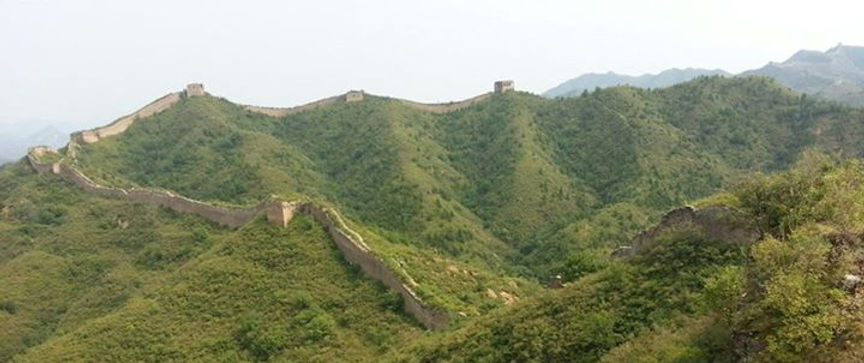
Photo by Rick Dunham
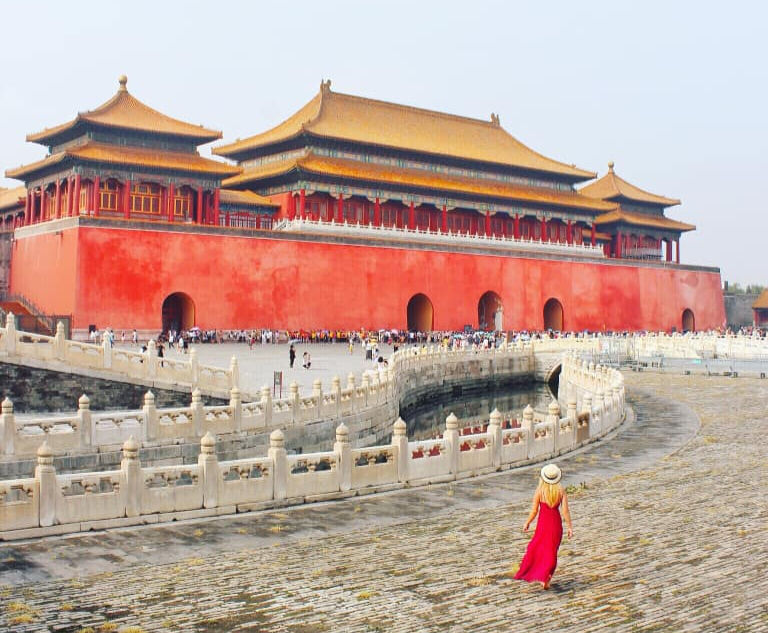
The Forbidden City
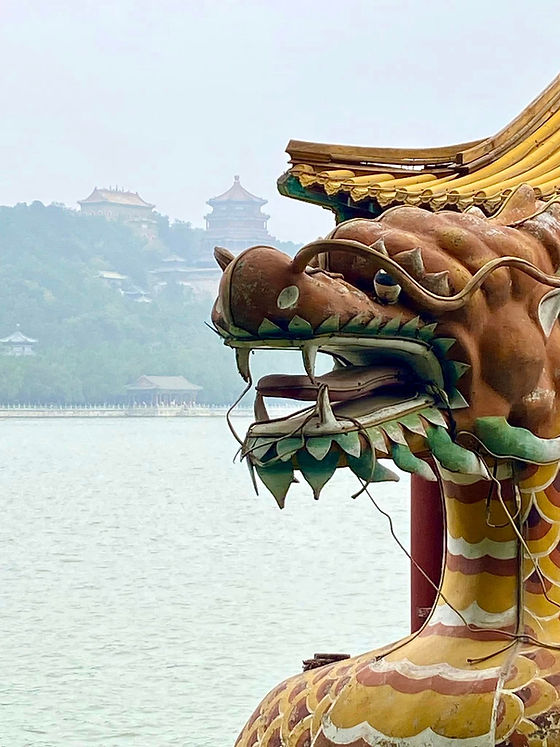
The Summer Palace
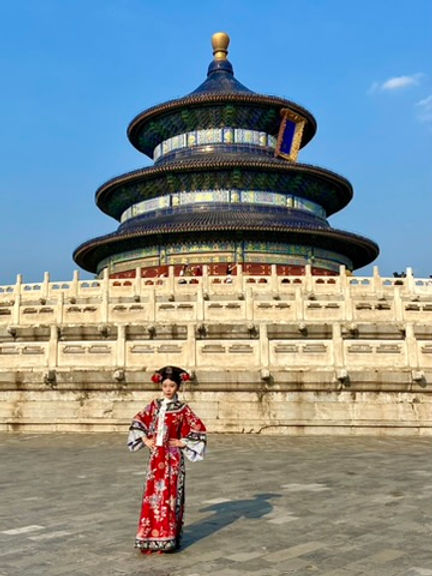
The Temple of Heaven
Memorable sites you don’t want to miss
Everyone has to make choices. You can’t see everything. But there are some places that you should try to find time to see, whether your visitor is here for four days or three months.
Many of these memorable sites can be combined with the must-see sites on a single itinerary. Yuanmingyuan is close to the Summer Palace and can be visited together in an outing. The same is true of the National Museum, Tian’anmen and the Forbidden City (admittedly, a very long and intense day). And the Beijing Zoo, with its delightful pandas, is a short subway ride away from the city center.
Yuanmingyuan Ruins Park
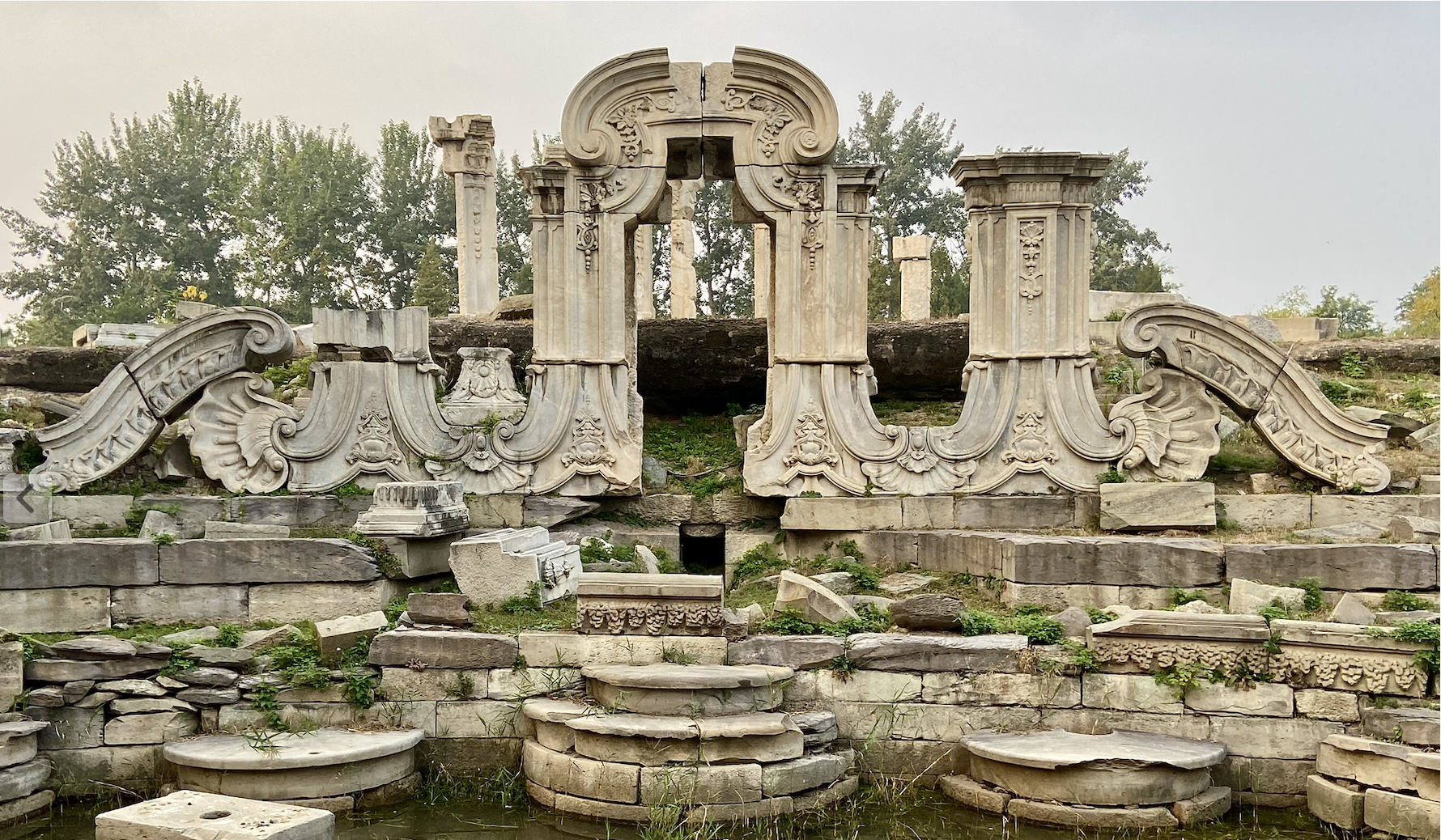
The ruins of Yuanmingyuan are one of the most stunning parks in Beijing. They range from traditional Chinese architecture of the Ming era to Italian-Chinese fusion palaces of the 18th century. All were destroyed by British and French invaders. (Photo by Rick Dunham)
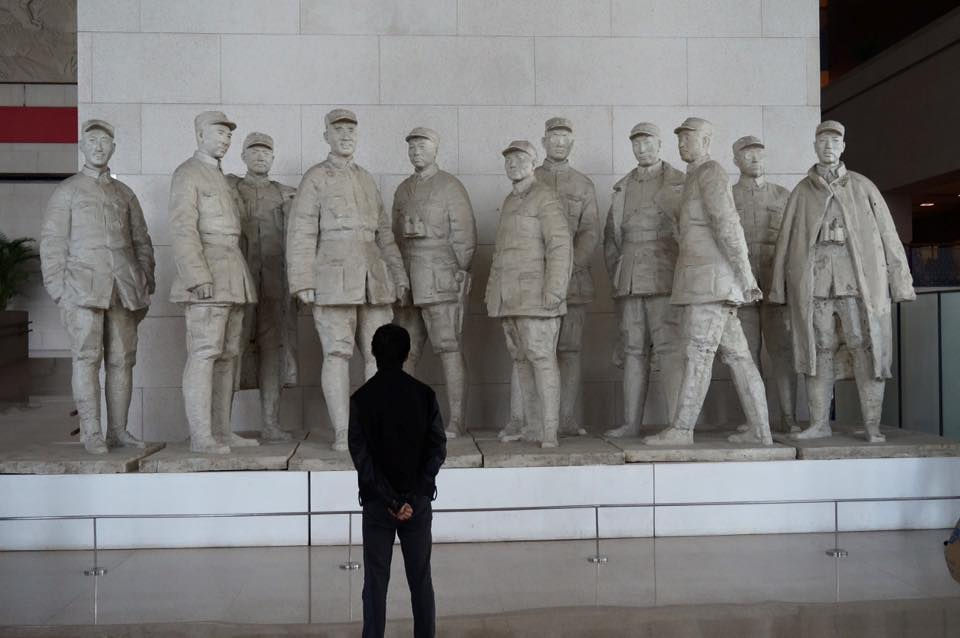
The National Museum
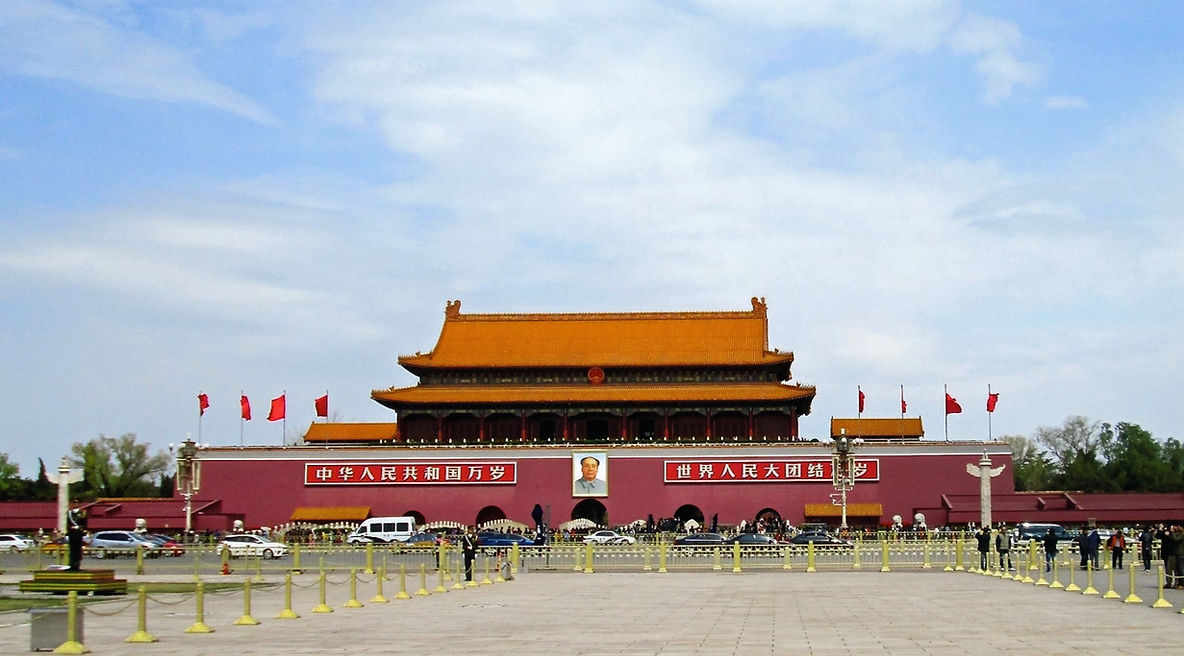
Tian’anmen Square
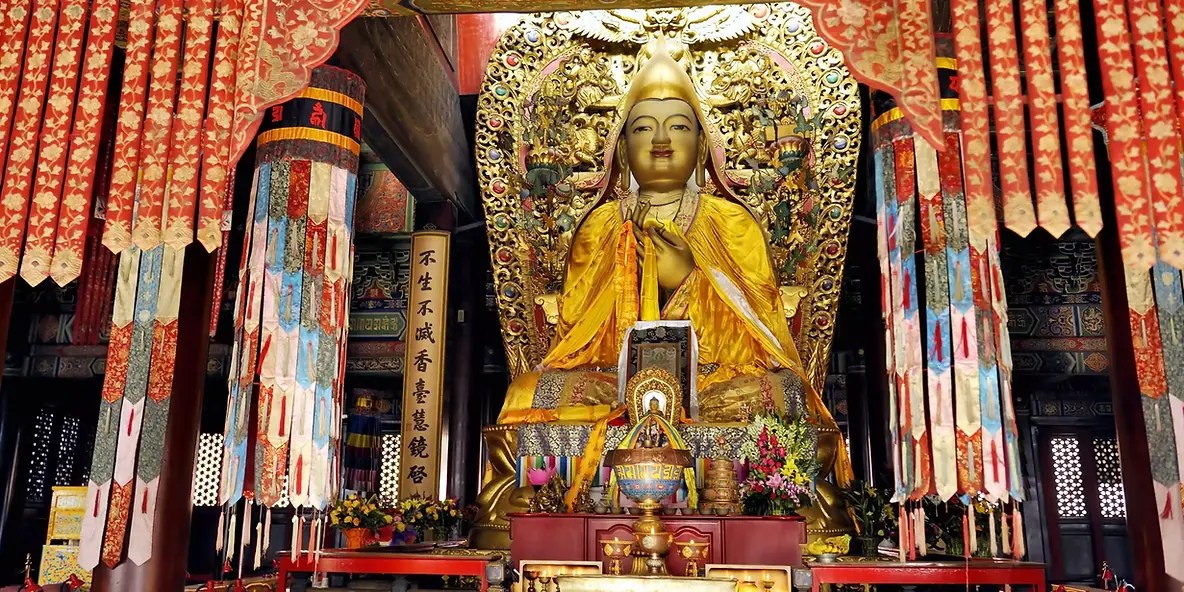
Lama Temple (Yong He Gong)
The Beijing Zoo

Highly recommended half-day trips outside of the city
If you have access to an automobile, or have enough spending money to rent a driver for a few hours, these historically significant sites are well worth your time.
Marco Polo Bridge (Lugou Qiao)
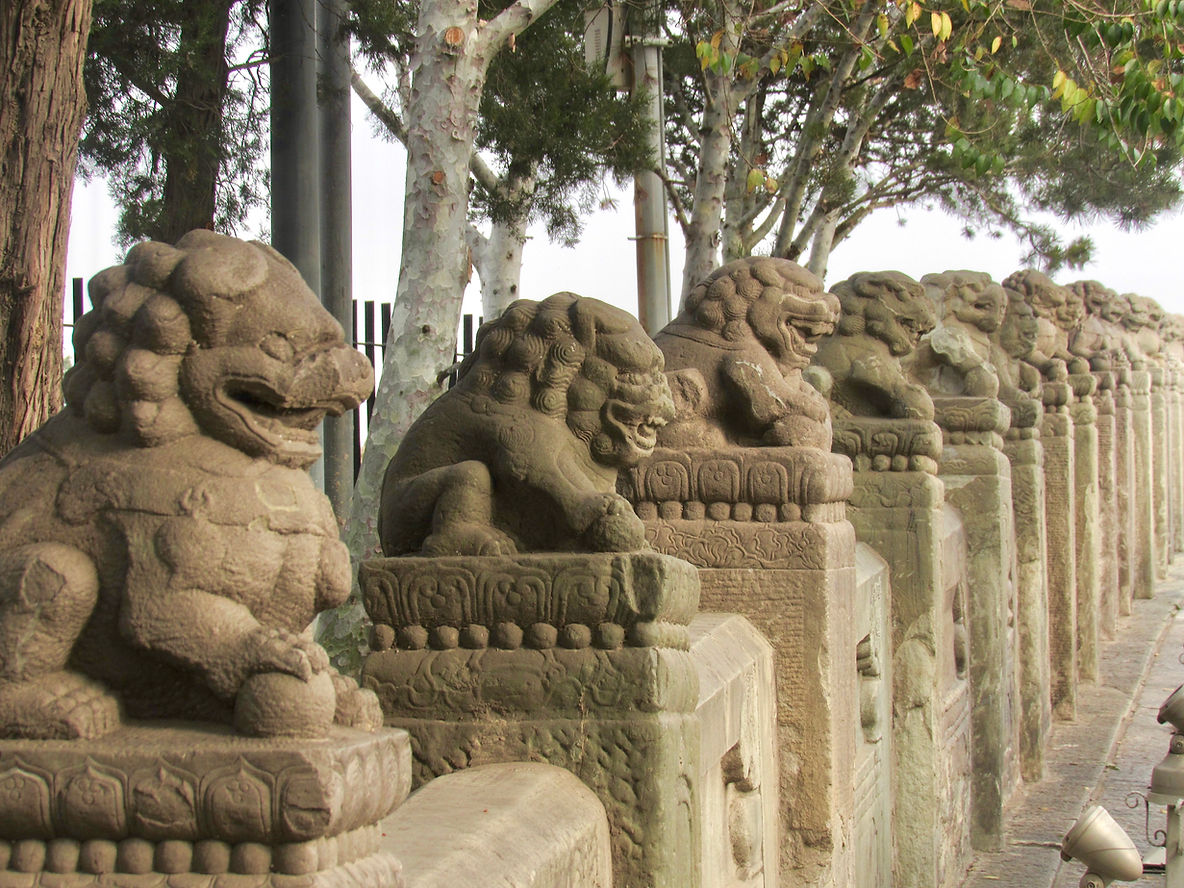
Anti-Japanese resistance museum and Wanping walled town
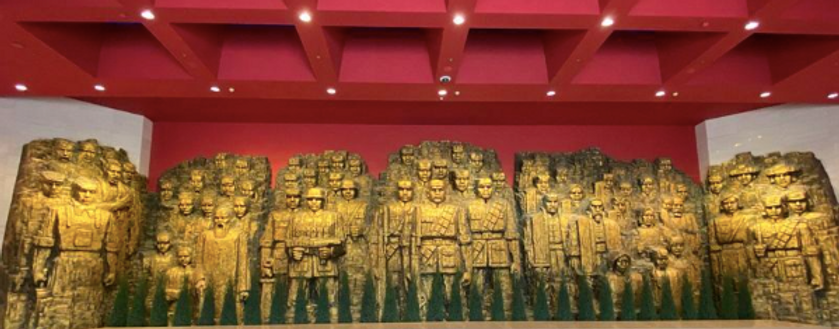
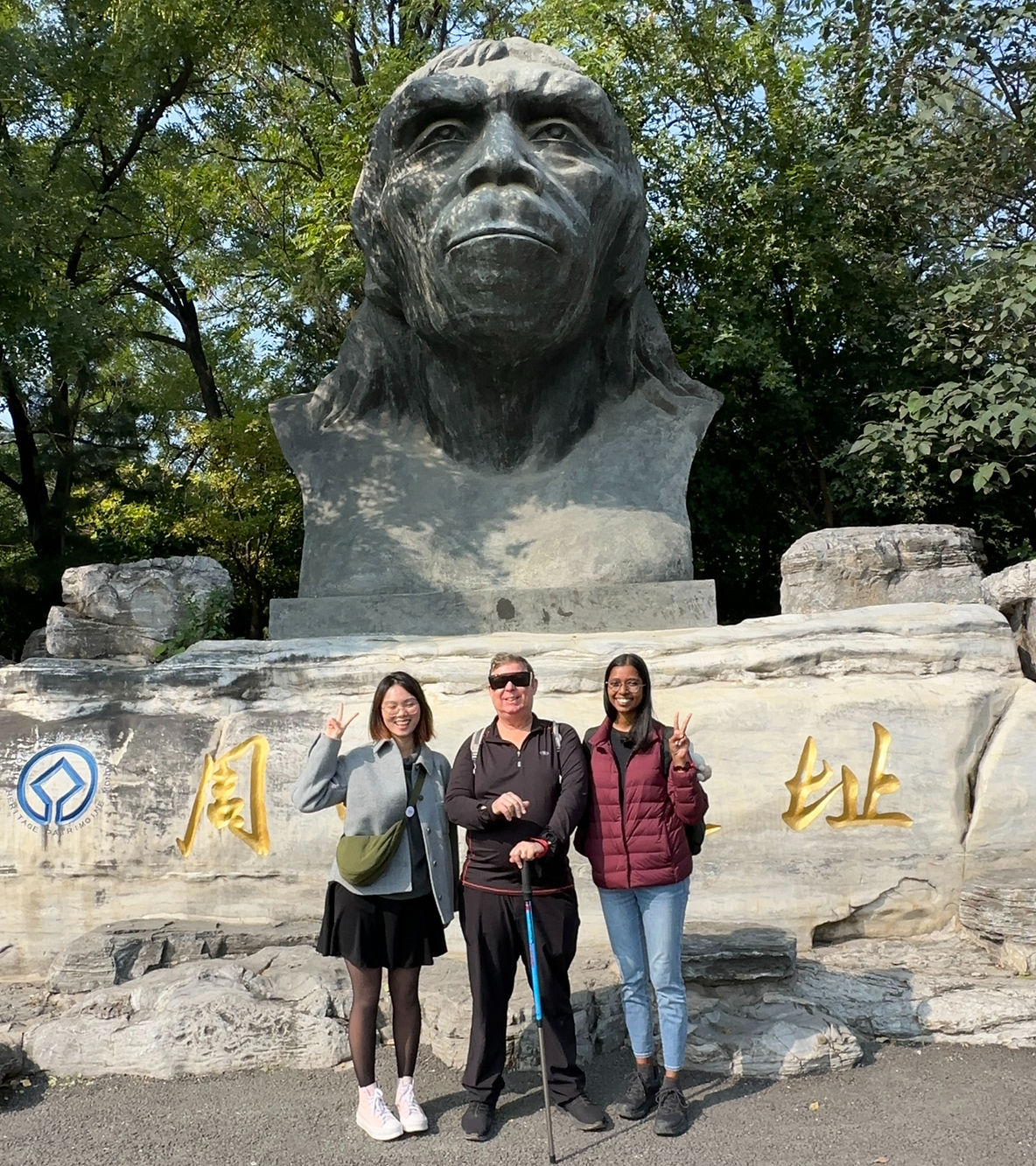
Zhoukoudian (Peking Man caves, park and museum)
Ming Tombs
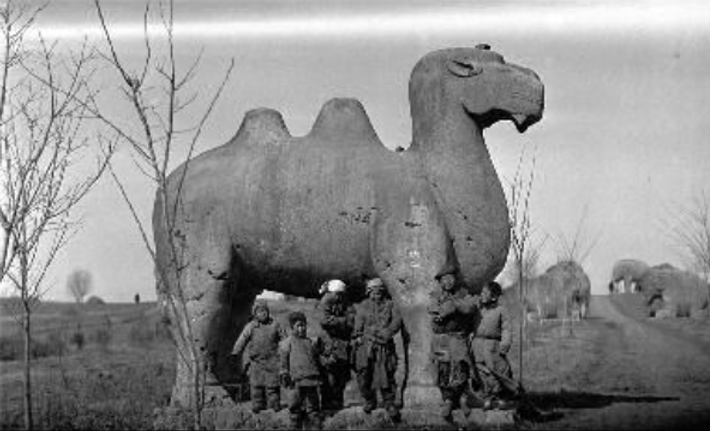
A historical photo of the Ming Tombs, circa 1950s.
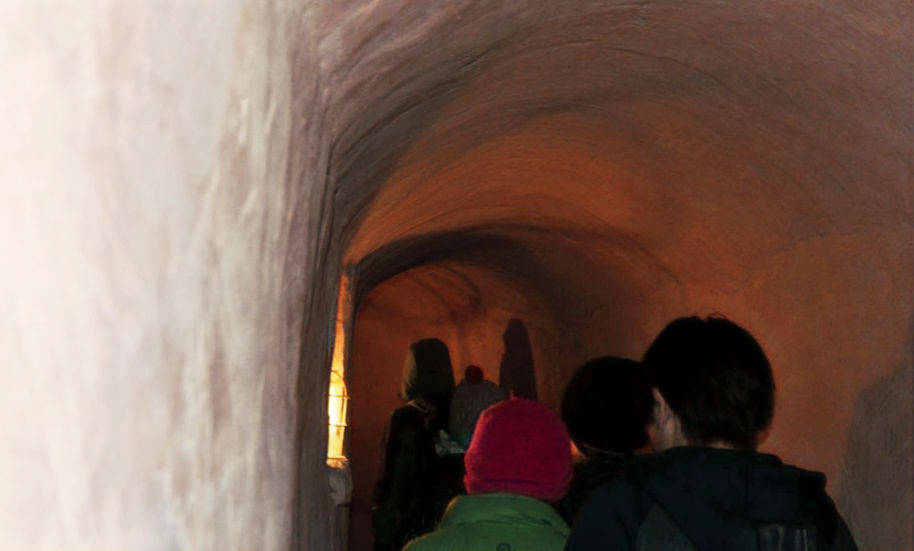
Jiaozhuanghu tunnels and exhibit
The Second Tier — but still first rate
Everyone has to make choices. These are all great options, if you have time to visit. Look at a map and try to cluster as many sites that are in the same general vicinity as possible. For example, you can visit Jingshan or Behai after a trip to the Forbidden City. Or combine the Bell and Drum Tower with a visit to Houhai for food, recreation or tourism.
The Bell Tower and Drum Tower
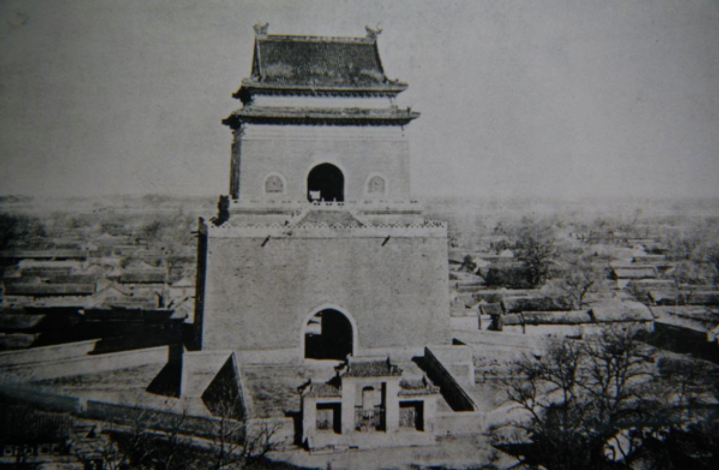
The Drum Tower between the fall of the Qing Dynasty and the Japanese invasion.
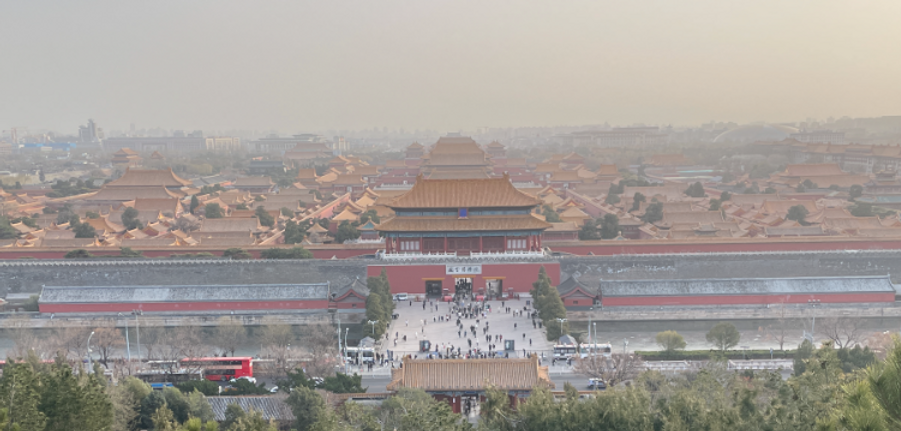
Jingshan (Coal Hill)
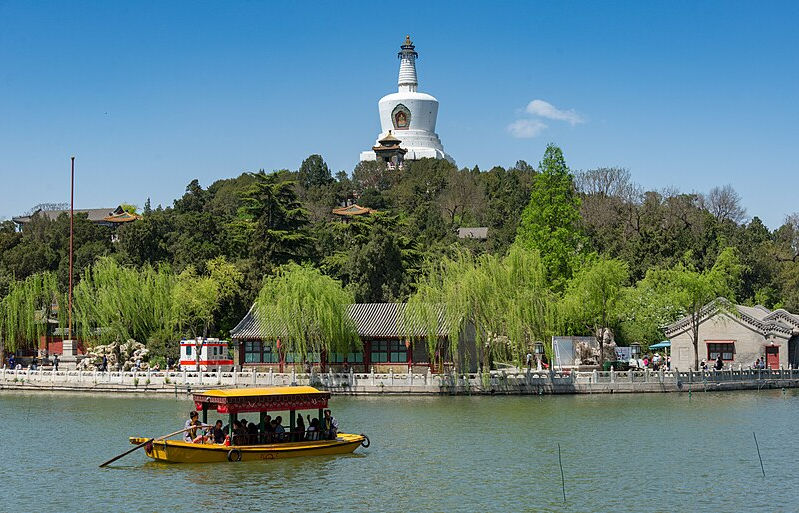
Beihai Park
Olympic complex
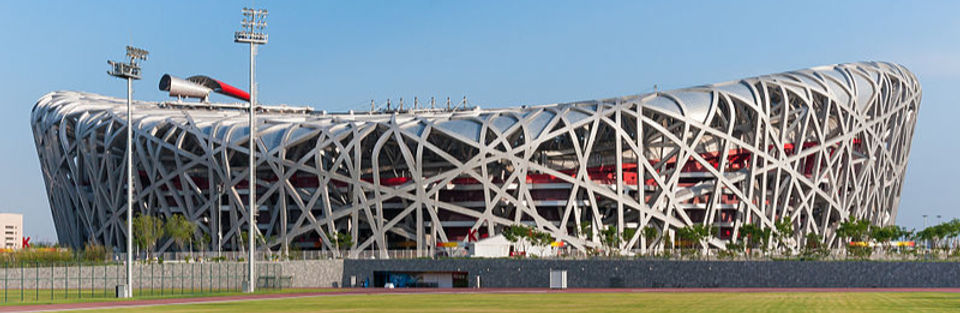
Military Museum

A young boy practices on a jet aircraft simulator at the Military Museum. (Photo by Rick Dunham)
Hidden Gems
These stops are not in many tour books. But they are all memorable.
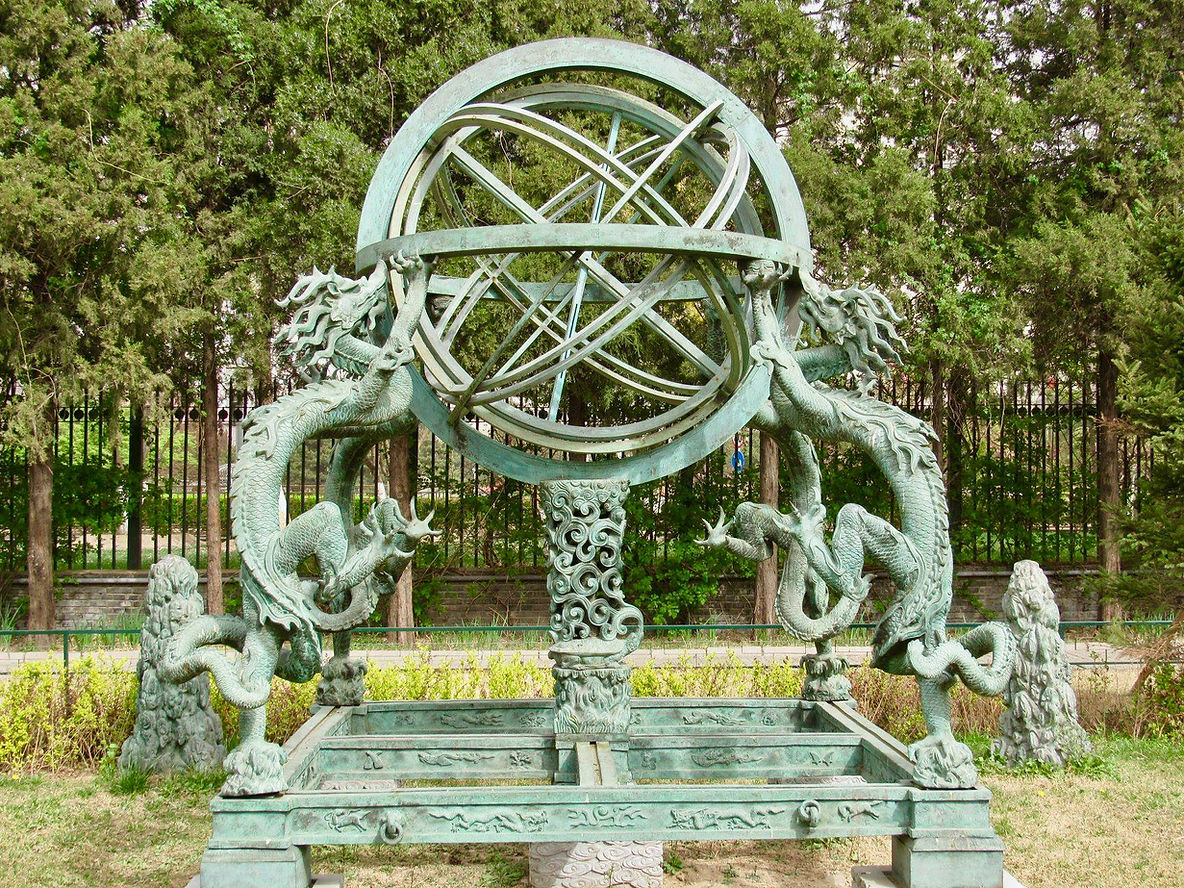
Beijing Ancient Observatory
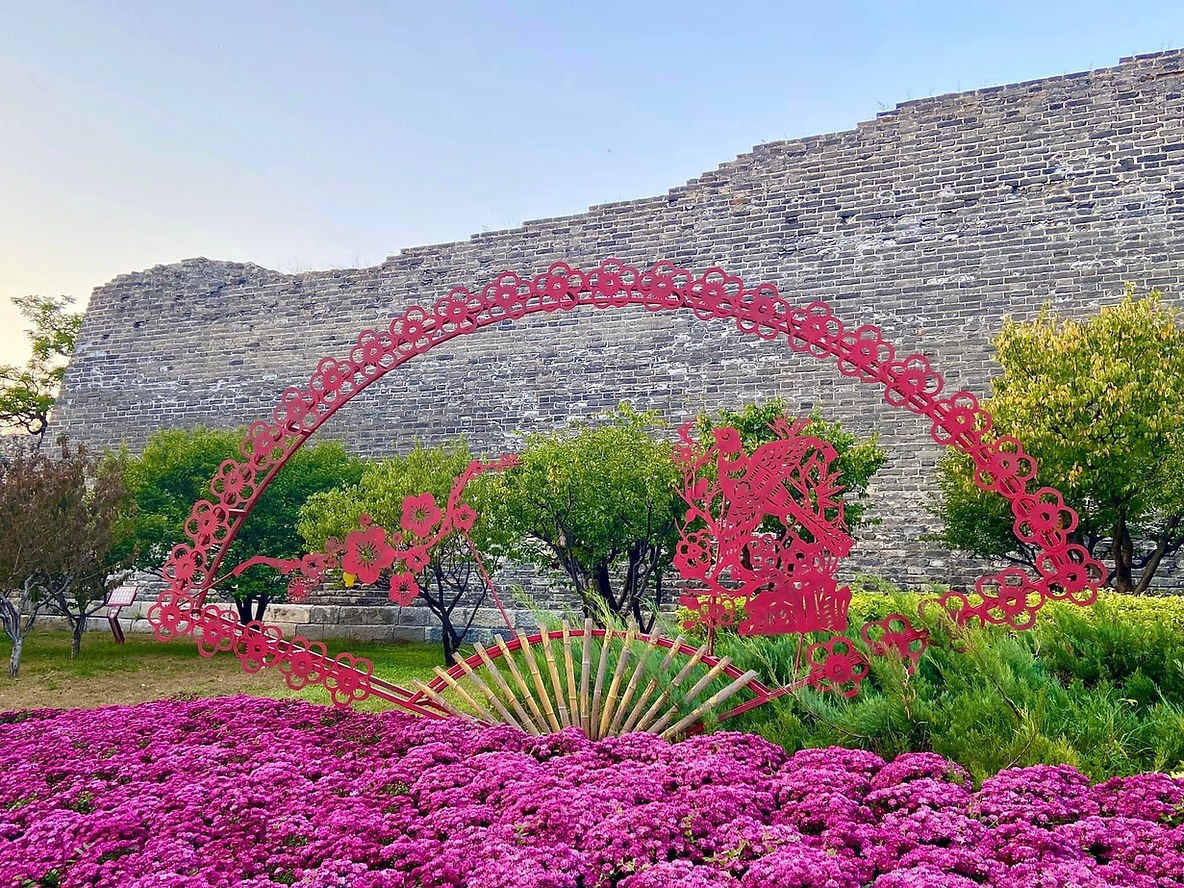
Beijing Ming City Wall Ruins Park
Confucius Temple
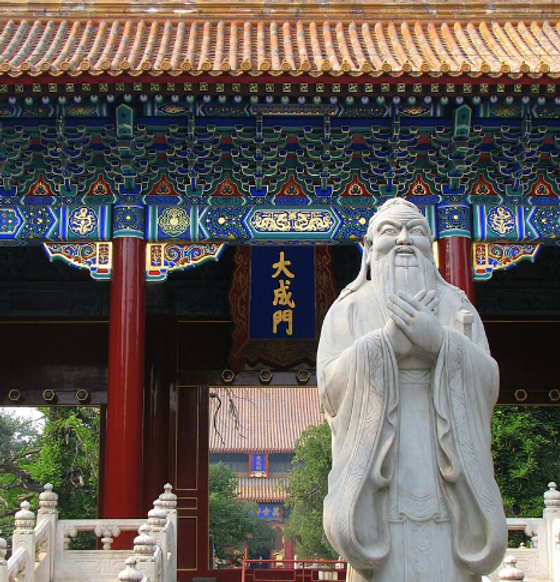
Photo by Rick Dunham
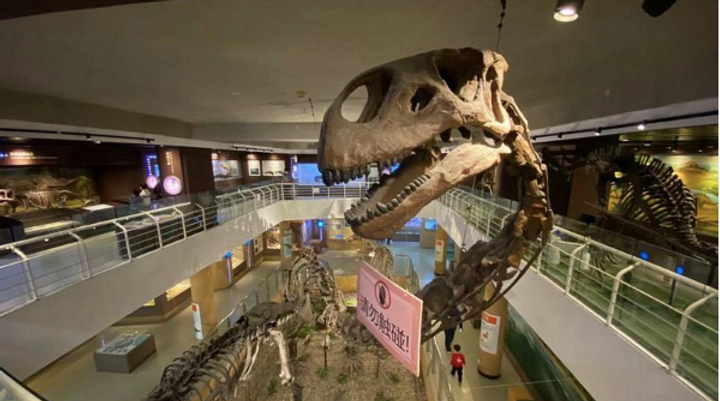
Paleozoological Museum of China
The universities: Tsinghua and Beida
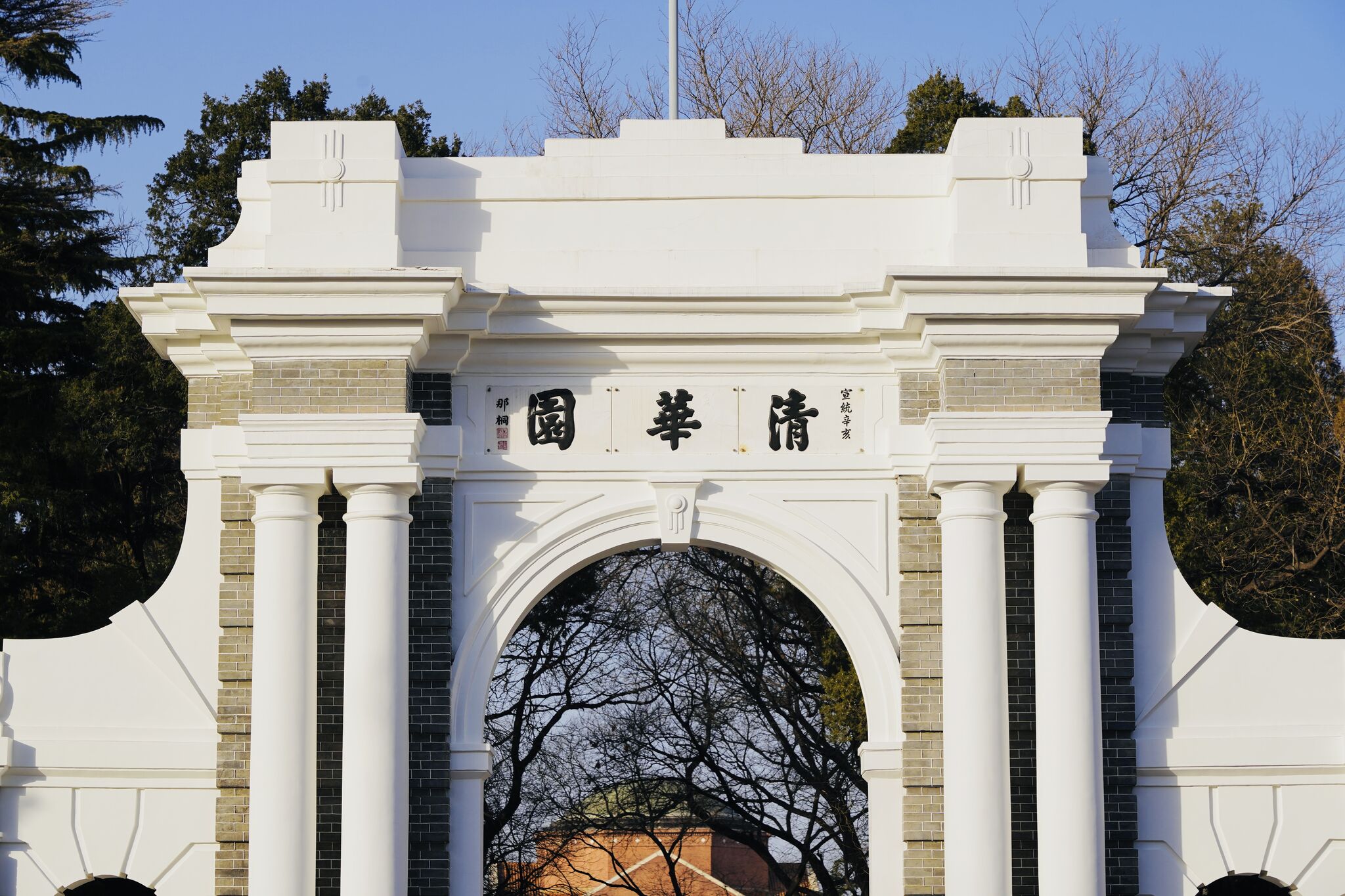
Photo by Rick Dunham
Tea tours

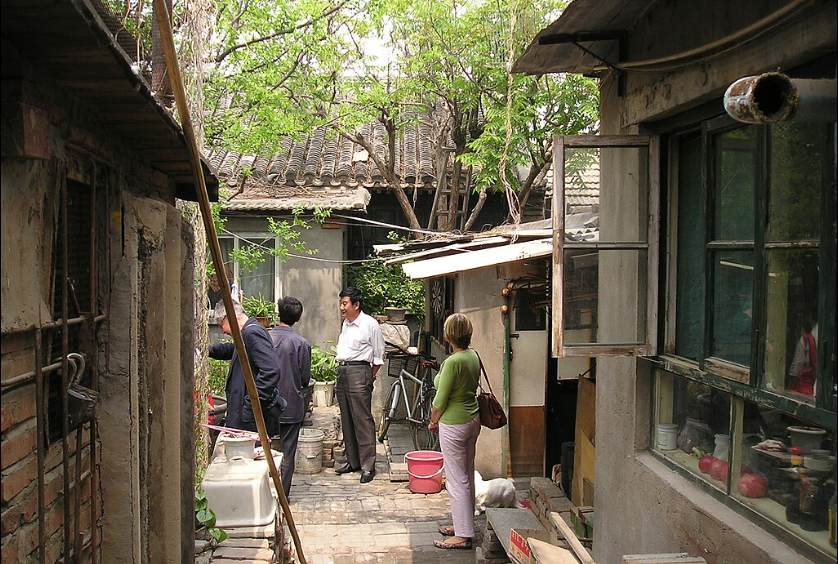
Hutong tours
New and Nice
Beijing has been on a museum building binge in recent years as the ruling Communist Party underscores Xi Jinping’s theme of “the great rejuvenation of the Chinese nation.” Among the results are some interesting new museums that showcase Chinese traditional culture, historical accomplishments and modern might.
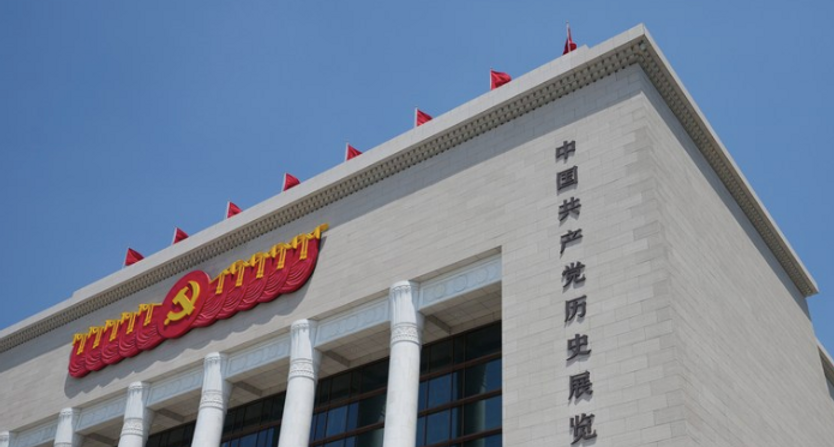
Museum of the Communist Party of China
Chinese Traditional Culture Museum
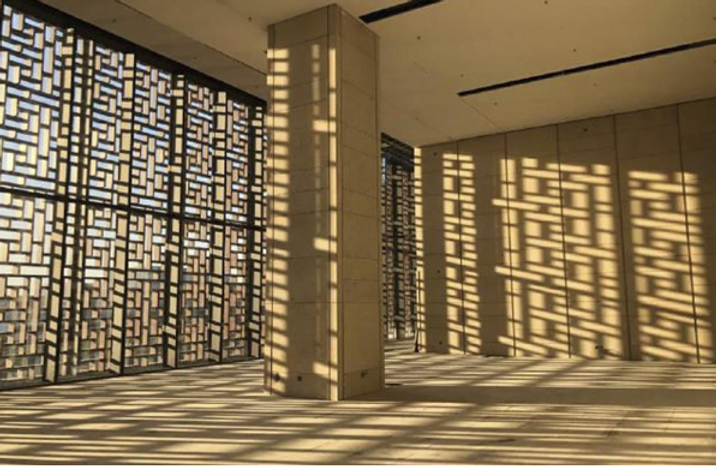
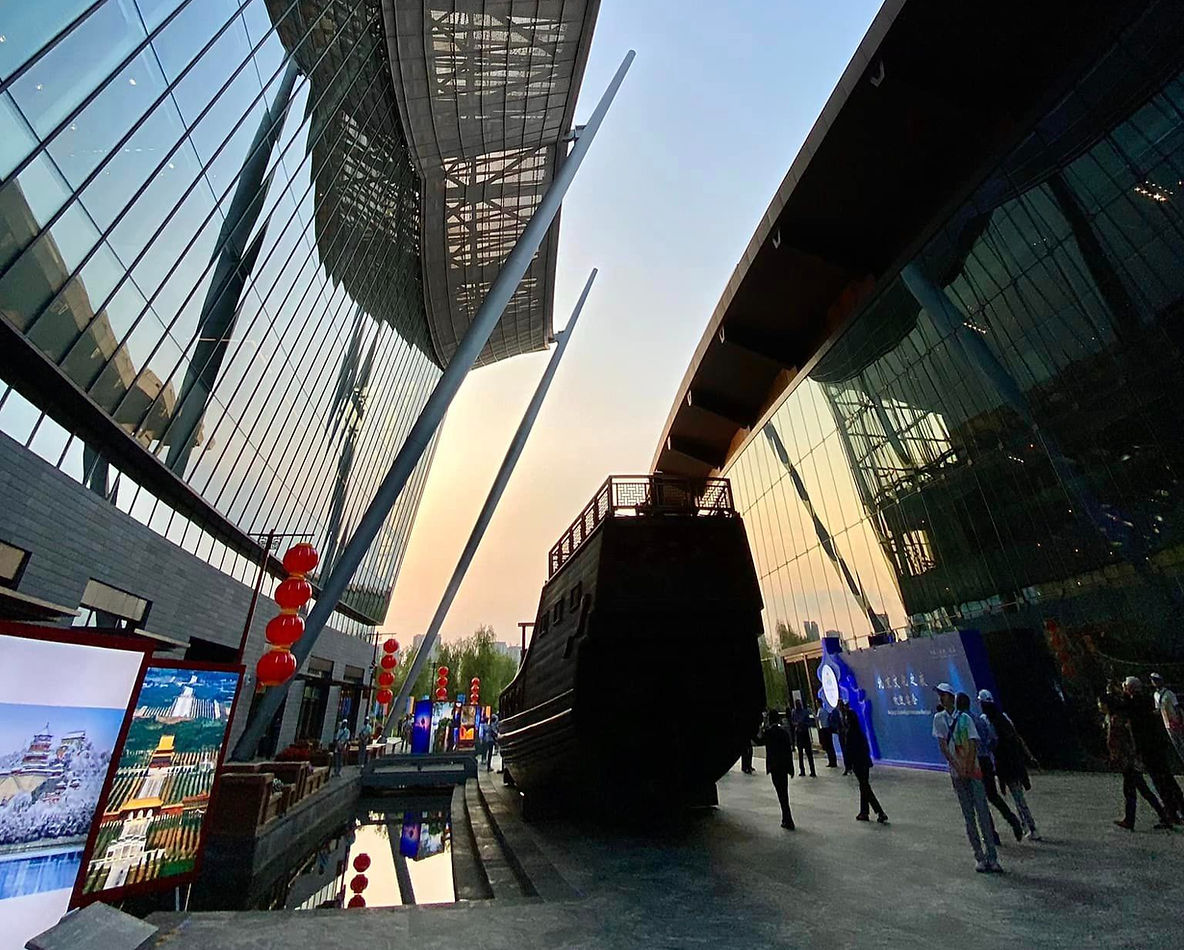
The Grand Canal Museum
Hiking and outdoor activities
Chinese families love to spend weekends outdoors. Older people spend much of their leisure time in the city’s plethora of parks. Young couples also stroll through the romantic and beautiful surroundings. Whatever your mood, there is a park for you. Whether you are seeking flowers, or a challenging hike, or 50 kinds of bamboo – you can find it somewhere in the Big City. Sometimes it’s free. Otherwise, the entry fee is inexpensive.
Purple Bamboo Park
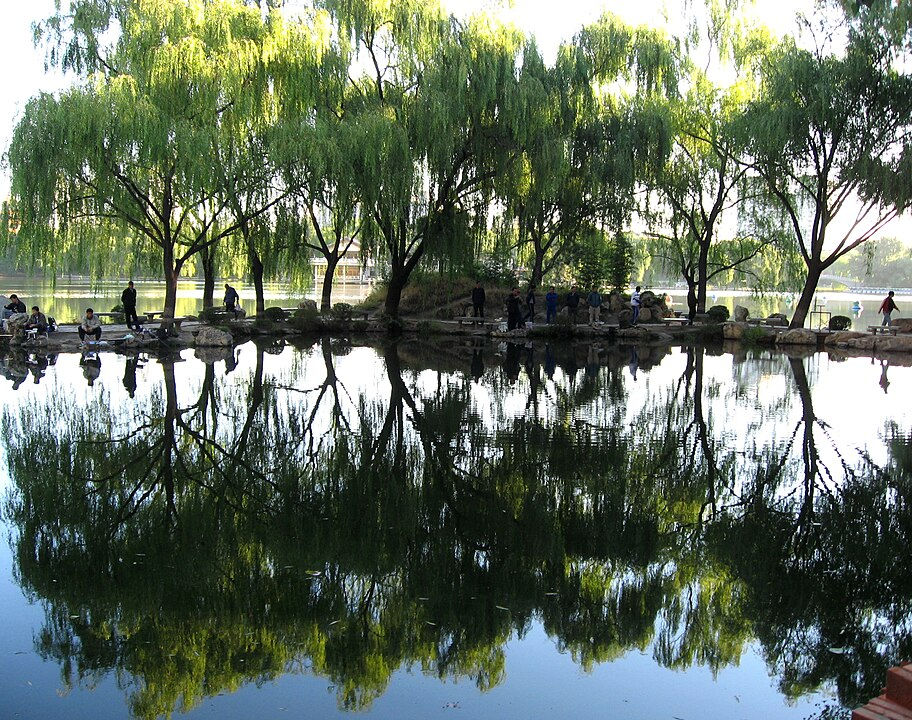
More than 50 varieties of bamboo are on view at Purple Bamboo Park, located near the zoo. The purple bamboo is the most famous, of course. The yellow duck boats are a favorite for visitors.
Fragrant Hills (Xiangshan)
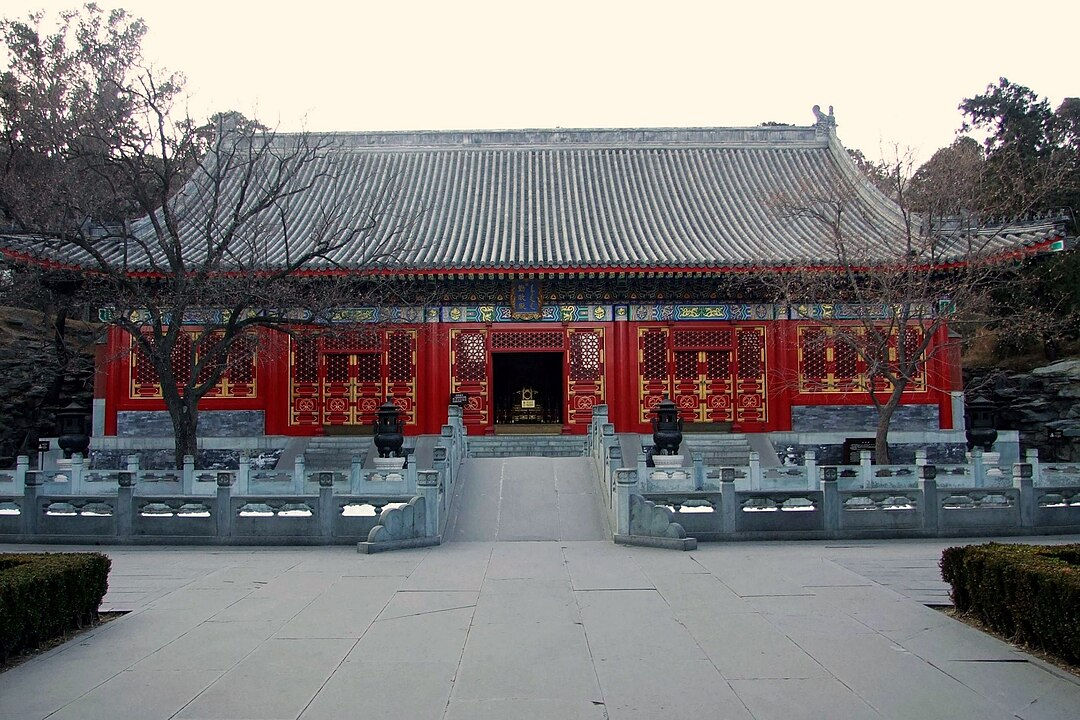
Olympic Forest Park
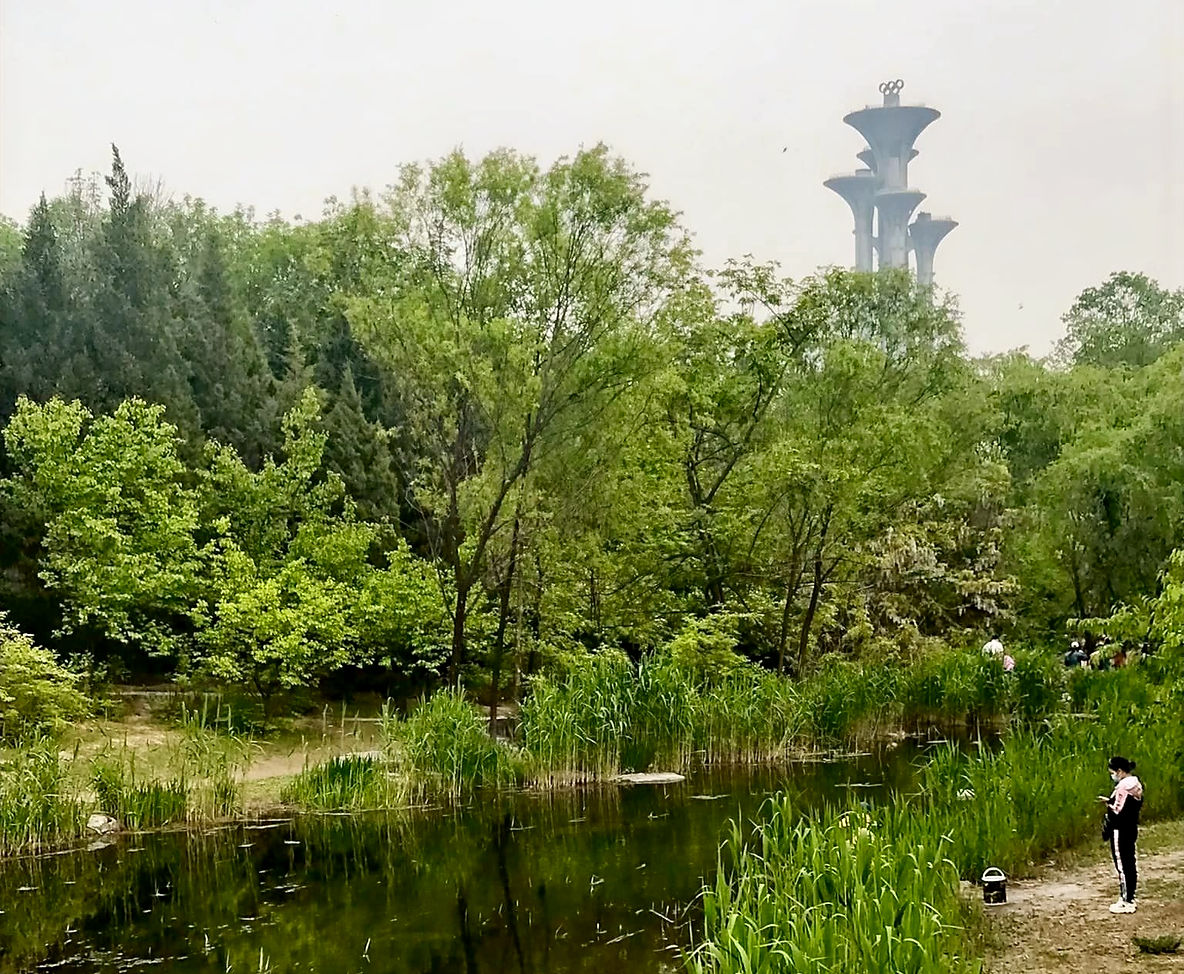
China National Botanical Garden
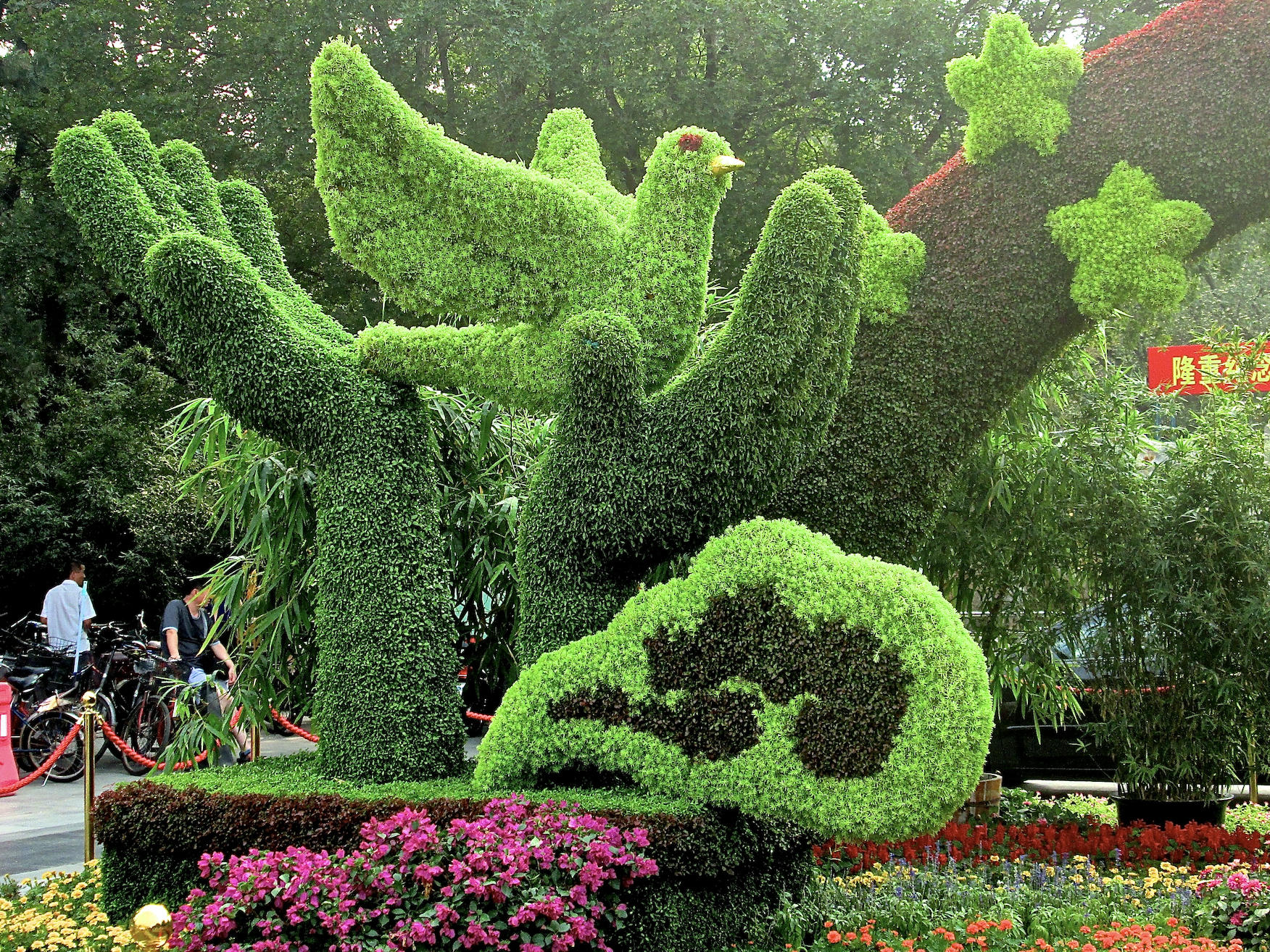
This massive park is known to many locals as the Beijing Botanical Garden. (Photo by Rick Dunham)
Ritan Park (Temple of the Sun)
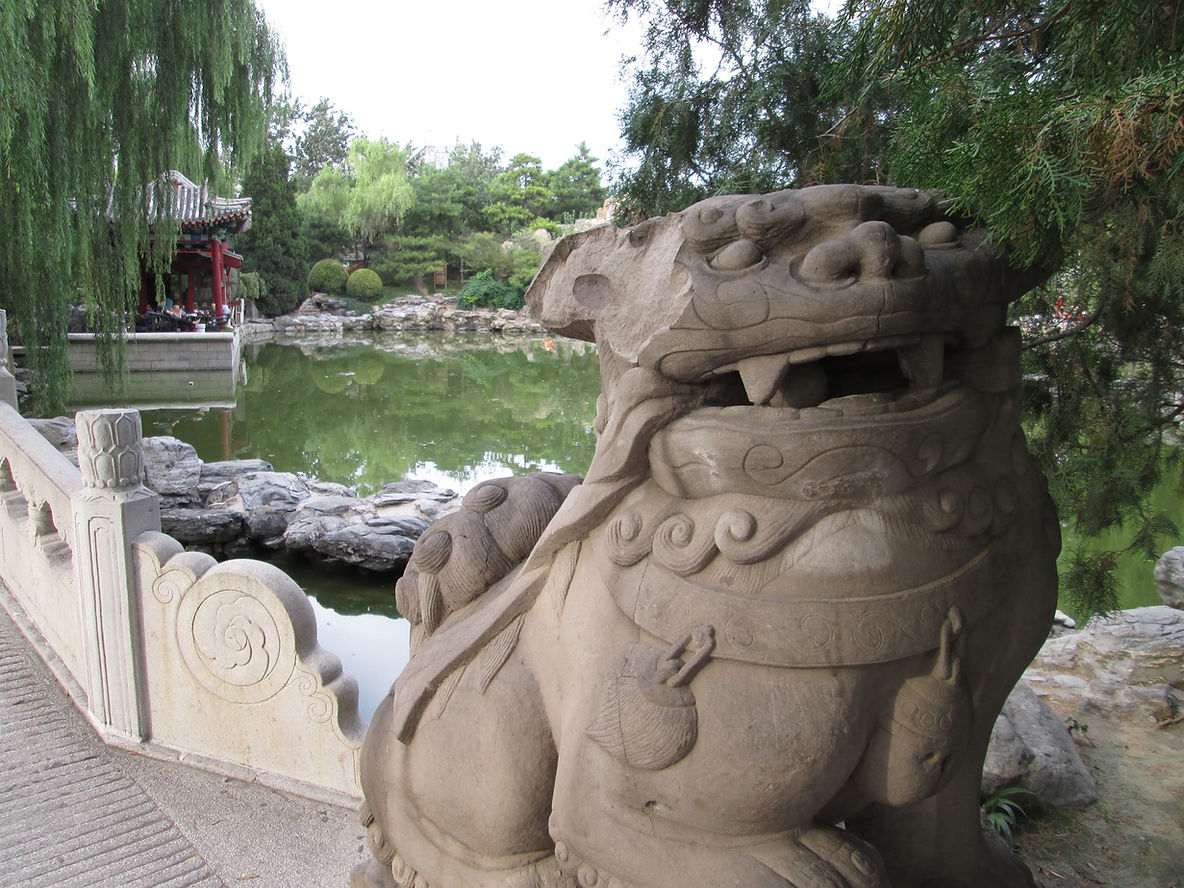
Popular with younger people
Several zones in Beijing are particularly popular among younger people for their combinations of culture, restaurants, art, entertainment, bars, diverse nightlife, and, yes, even some museums tucked away for further exploration. Many of them are near hutong neighborhoods, which add to their charm, though they can cause you confusion and minutes lost while looking for your destination.
Houhai
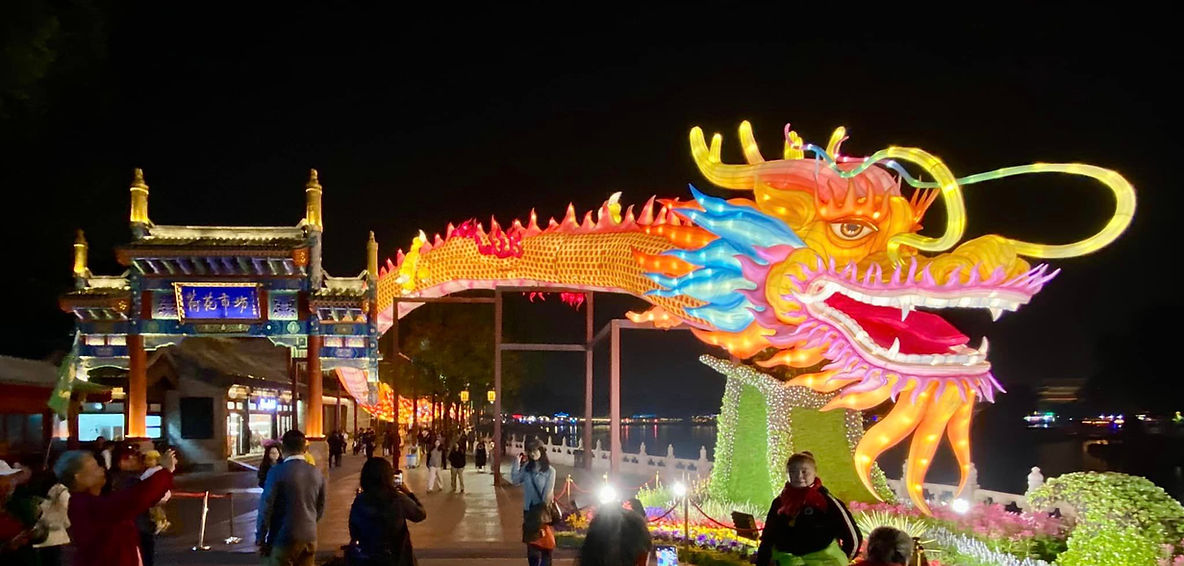
Sanlitun
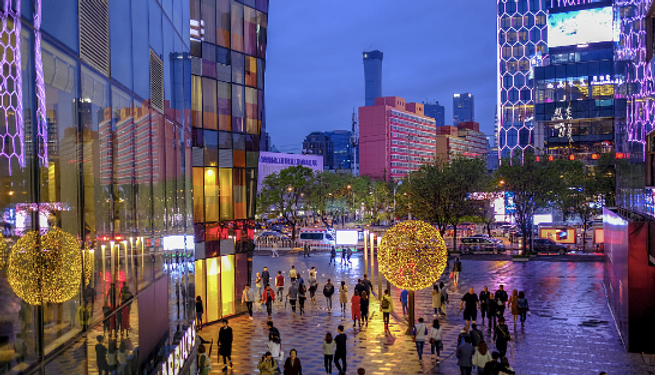
Sanlitun, with its alleys, hutongs and gleaming glass shopping malls, is the social center for young professionals, students and the diplomatic set.
Wudaokou
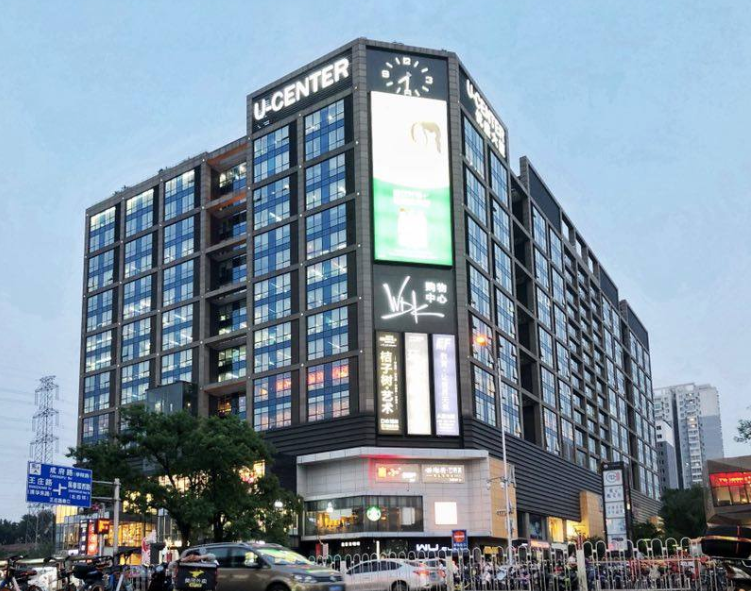
798 Art District (Dashanzi)
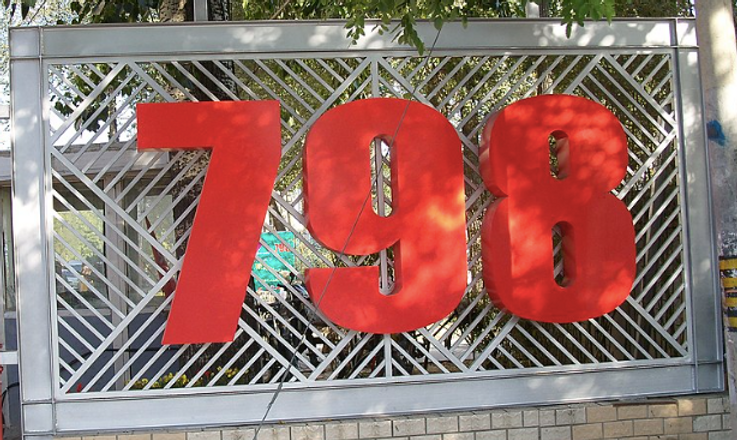
An old warehouse area has been transformed into the funky arts district. For a quarter-century, it is the closest thing Beijing has to a Bohemian quarter, with galleries, cafés and gathering spots for the intellectual set, both Chinese and expat.
Your top tourist attractions in Beijing?
Do you have any more tourist destinations you’d like to add to the list? Please post a comment and explain why you would add your favorite place to this compilation.
Hidden Gems of Beijing: The Ming Tombs
Posted: May 31, 2019 Filed under: Discovering China | Tags: Avenue of the Animals, Beijing, Beijing tourism, China, China tourism, Cultural Revolution, Dingling, Forbidden City, Hidden Gems of Beijing, Jundu Mountains, Li Zicheng, Mao Zedong, Ming Tombs, Mongolia, Nanjing, Sacred Way, Spirit Way, tourism, Wangli, Yongle 1 CommentThe Ming Tombs are often overshadowed on the Beijing tourist trail by the nearby Great Wall, one of the world’s greatest wonders. In the past, en route to the Great Wall, I’ve quickly visited the publicly open parts of the 13 tombs of Ming Dynasty emperors buried in an arc-shaped valley at the foot of the Jundu Mountains, about 40 km north of the Forbidden City.
The second Ming emperor, the Yongle Emperor Zhu Di, decided to build royal tombs in his northern capital of Beijing in 1420 rather than the southern capital, Nanjing, chosen by his predecessor because of its distance from the Mongolian frontier. The tombs themselves have been ransacked and emptied of valuables, starting in 1644 when the rebel army of Li Zicheng’s ransacked and burned many of the tombs as he advanced toward Beijing, where the last Ming emperor committed suicide shortly thereafter. But the glorious structures remain.
Today, there are three public museum sites among the 13 tomb locations. It’s a massive, sprawling complex that stretches over 40 square kilometers. I feel sorry for the tourists who never get to visit the tombs because of the even-more-famous sights to see in Greater Beijing.
Off the beaten path of tourist Beijing, the tombs have their own fascinating history that touches the contradictions of modern (and ancient) China. After the Yongle Emperor built the Forbidden City in Beijing in 1420, he decreed that a burial site be found to house the remains of future Ming emperors. Four years later, his was the first of 13 mausoleums built in a verdant valley beneath the Jundu Mountains, not far from the Great Wall.
The place has been ransacked repeatedly in the six centuries that have followed, most notably during the revolution that preceded the fall of the Ming Dynasty and the Cultural Revolution that followed the rise of Mao Zedong. Its tombs have been raided for political and pecuniary purposes. But its Sacred Way, sometimes known as the Spirit Way or the Avenue of the Animals, remains as a reminder of the permanence of Chinese history, despite its periodic revision.
A final contradiction: A photo of Mao admiring one of the spirit elephants is posted on the Sacred Way, but Red Guards a few years later seized the remains of Emperor Wanli from the Dingling tomb, posthumously “denounced” him and burned his remains, along with his Empress.
Hidden Gems of Beijing: The Ancient Observatory
Posted: April 10, 2019 Filed under: Discovering China, Uncategorized | Tags: Ancient observatory, Astronomy, Beijing, Beijing Ancient Observatory, Beijing City Wall, Beijing Observatory, Beijing tourism, Boxer Rebellion, China Radio International, China tourism, City Wall, dragons, Germany, Greenwich Observatory, Hidden Gems of Beijing, Legation Quarter, lions, Ming Dynasty, Old City Wall, tourism, Ziwei Palace Leave a commentThe astronomical observatory in longest continuous use in the world is …
No, it’s not England’s world-famous Greenwich Observatory, creator of “Greenwich Mean Time.” It is the Ming Dynasty’s observatory in central Beijing. Near the southeastern corner of the old City Wall, the Beijing Ancient Observatory, originally built in 1442, is 233 years older than Greenwich.
The eight sets of astronomical instruments on the observatory’s roof have had a distinguished scientific past. Their design was strongly influenced by the Renaissance in Europe but they have some distinctive Chinese elements such as dragons and lions. The observatory’s treasures were pillaged in the 1900 war by marauding foreign troops retaliating for the lengthy siege of diplomats and Chinese Christians in the nearby Legation Quarter by Boxer cultists and the Qing military. Germany, defeated in the First World War, was the first nation to return the stolen treasure.
Today, the observatory is a small gem for in-the-know Beijingers (and a very few international tourists). There are interesting historical displays in the Ziwei Palace and some fascinating astronomical devices.
Hidden Gems of Beijing: The Old City Wall
Posted: April 8, 2019 Filed under: Discovering China | Tags: Beijing, Beijing Ming City Wall Relics Park, Beijing subway, Beijing tourism, Boxer Rebellion, China, China tourism, Chongwenmen, City Wall, Discovering Beijing, Dongbianmen, Hidden Gems of Beijing, Inner City Wall, Ming Dynasty, Old City Wall, Southeastern Watchtower, tourism Leave a commentThe Great Wall of China is Beijing’s most famous wall. But there’s another not-as-great wall in Beijing that is more relevant to the capital city’s history and culture. The “Inner City Wall” was built in 1419 early in the Ming Dynasty and formed a highly fortified rectangle that stretched for about 40 km around the Forbidden City and the “inner city” of Beijing.
Well into the 20th century, camel caravans would approach the city gates from the Silk Road, and horses (animal and then iron) would approach from the port of Tianjin. Moats surrounded the defensive fortifications, and a series of watchtowers provided housing for the soldiers.
Several of the gates were heavily damaged by troops from eight foreign nations during the 1900 “Boxer rebellion,” but the walled city remained, in its decaying grandeur, until a combination of the Cultural Revolution and the coming of the Beijing subway resulted in the almost-complete destruction of the ancient wall.
Today, few remnants of the old city wall remain (unlike the restored walls of Xi’an and Nanjing). But there is a mile-long stretch from the Southeastern Watchtower near the former Dongbian Gate to the Chongwen Gate that has been preserved as Beijing Ming City Wall Relics Park. The park was created in the early years of the 21st century when the ramshackle residences, with no heating, running water or plumbing, that abutted it were bulldozed and replaced by flowering trees, grass and hiking paths. (The ancient trees from the Ming era remain.) A small museum on the ramparts contains historical photos, an art exhibit and a few relics. You can walk atop a short section of the original ramparts then continue your stroll at street level. Ancient history, hidden in plain sight.


Recent Comments