Beijing’s top tourist attractions, from the old standbys to the hidden gems
Posted: September 30, 2026 Filed under: Discovering China, Dunham's Discourses, Uncategorized | Tags: Asia, Beijing, Beijing tourism, Beijing Zoo, China, China tourism, Forbidden City, Great Wall, history, Lama Temple, pandas, Summer Palace, tea, Temple of Heaven, Tiananmen Square, travel, Yuanmingyuan Ruins Park, Zhoukoudian Leave a commentBy RICK DUNHAM
In more than 13 years in Beijing, I’ve visited just about every museum I could find. As a history major and a journalism professor, I’ve explored dozens of sites with ties to Chinese history and some that even pre-date modern humans. I’ve hiked the Great Wall 40 times, from its western terminus in Gansu province to the Yalu River bordering North Korea.
I’ve seen domestic tourism explode in China and the number of museums in the nation more than doubled. Visiting cultural sites “has become trendy among citizens in Beijing,” says Yin Li, secretary of the CPC Beijing Municipal Committee. Tourism is a much more user-friendly experience today than it was a decade ago, from ubiquitous QR codes to more modern toilet facilities.
Beijing boasts hundreds – yes, hundreds – of museums, cultural attractions, parks, historical sites and other locations for visitors to see. As Irina Bokova, former director-general of UNESCO, said recently, “the city bears witness to more than 3,000 years of cultural history.”
There’s no way to see it all in a short visit. Or even if you are here for a year or two. But try to pack in as much as you can in whatever time you have. Here are some of the best tourist opportunities Beijing has to offer.
The Core Four
I hope this guide will help you to prioritize your adventures in China’s capital city and environs. It’s a wonderful place to explore. Enjoy!
These are the Beijing tourist attractions that every visitor must see. If your family is visiting, take them there. If someone has just two or three days in town, figure out a way to squeeze all of these in.
The Great Wall
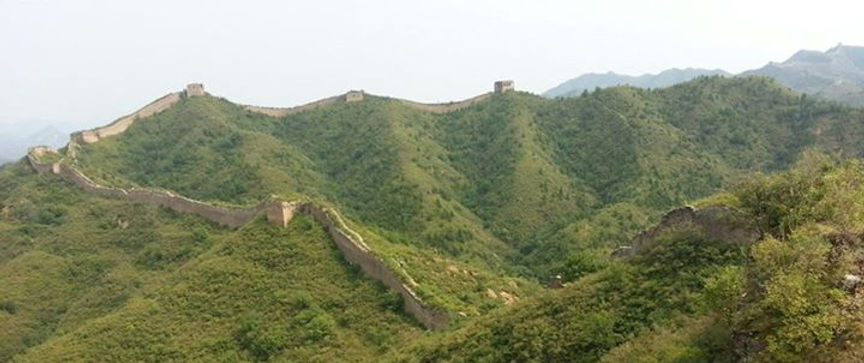
Photo by Rick Dunham
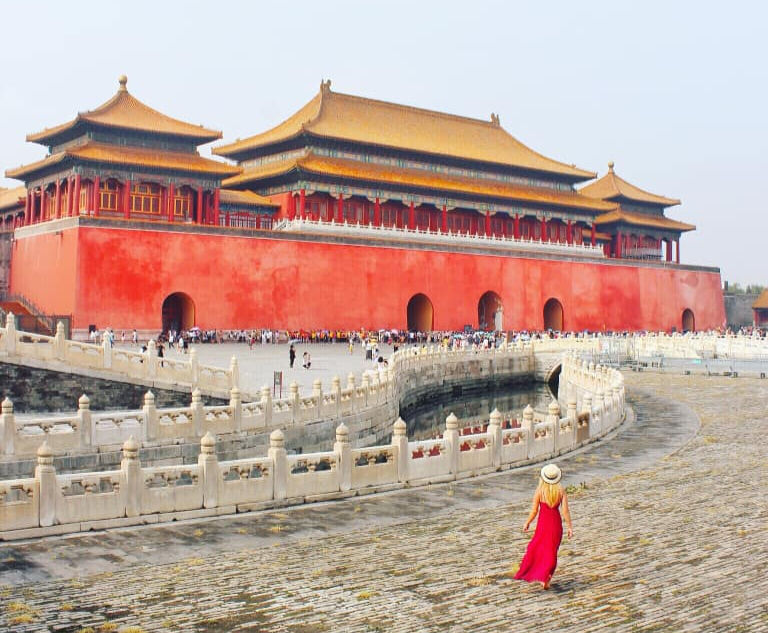
The Forbidden City
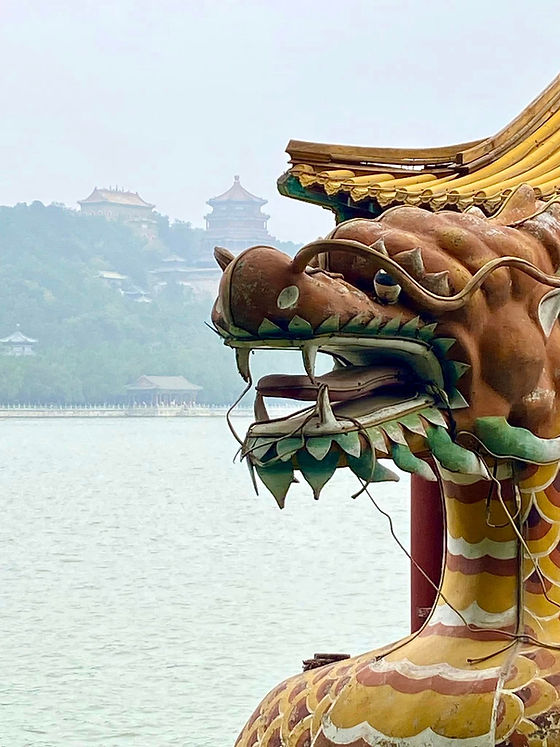
The Summer Palace
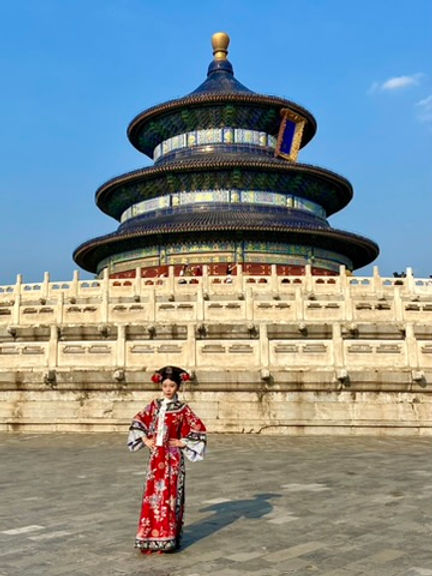
The Temple of Heaven
Memorable sites you don’t want to miss
Everyone has to make choices. You can’t see everything. But there are some places that you should try to find time to see, whether your visitor is here for four days or three months.
Many of these memorable sites can be combined with the must-see sites on a single itinerary. Yuanmingyuan is close to the Summer Palace and can be visited together in an outing. The same is true of the National Museum, Tian’anmen and the Forbidden City (admittedly, a very long and intense day). And the Beijing Zoo, with its delightful pandas, is a short subway ride away from the city center.
Yuanmingyuan Ruins Park
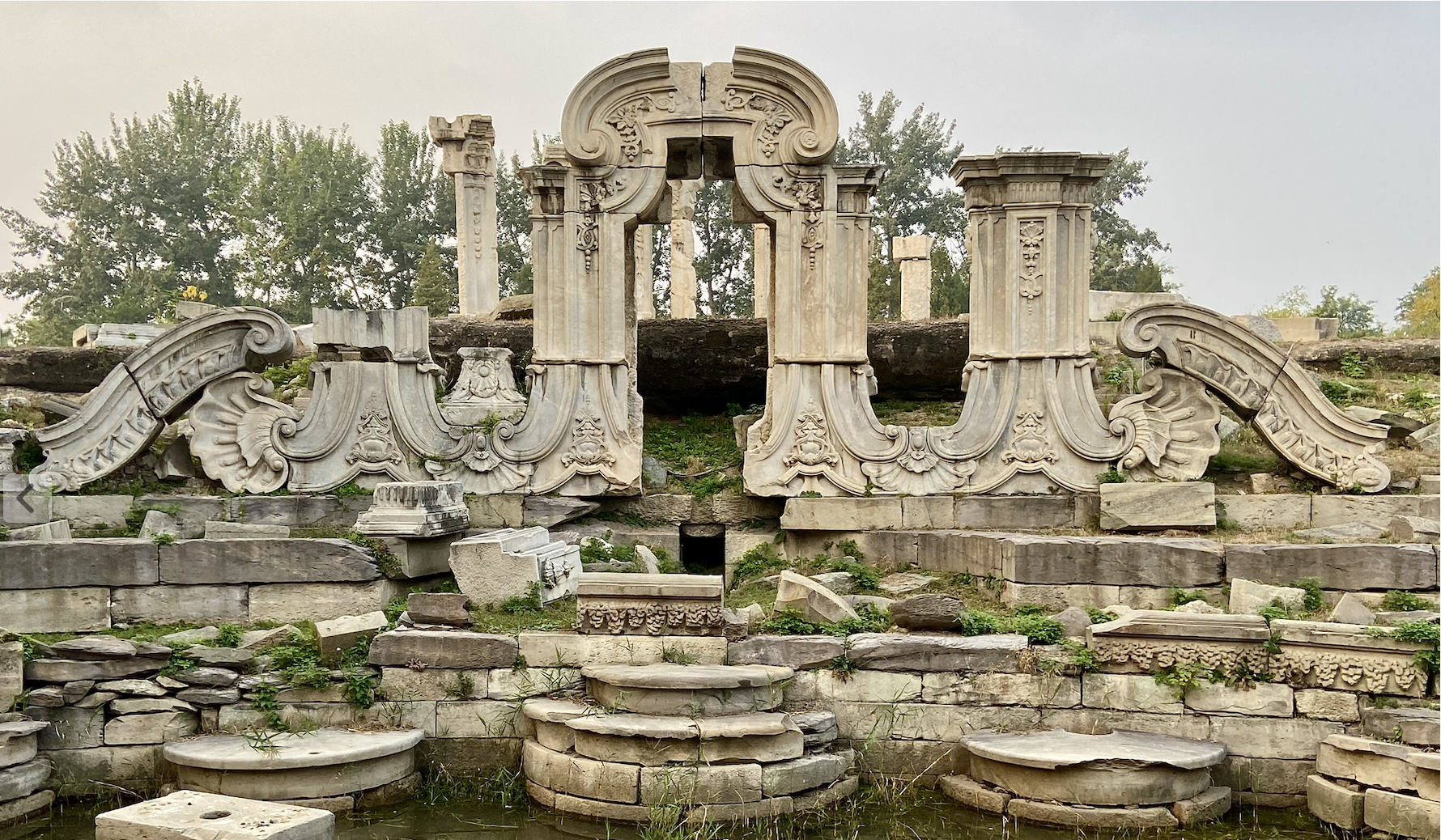
The ruins of Yuanmingyuan are one of the most stunning parks in Beijing. They range from traditional Chinese architecture of the Ming era to Italian-Chinese fusion palaces of the 18th century. All were destroyed by British and French invaders. (Photo by Rick Dunham)
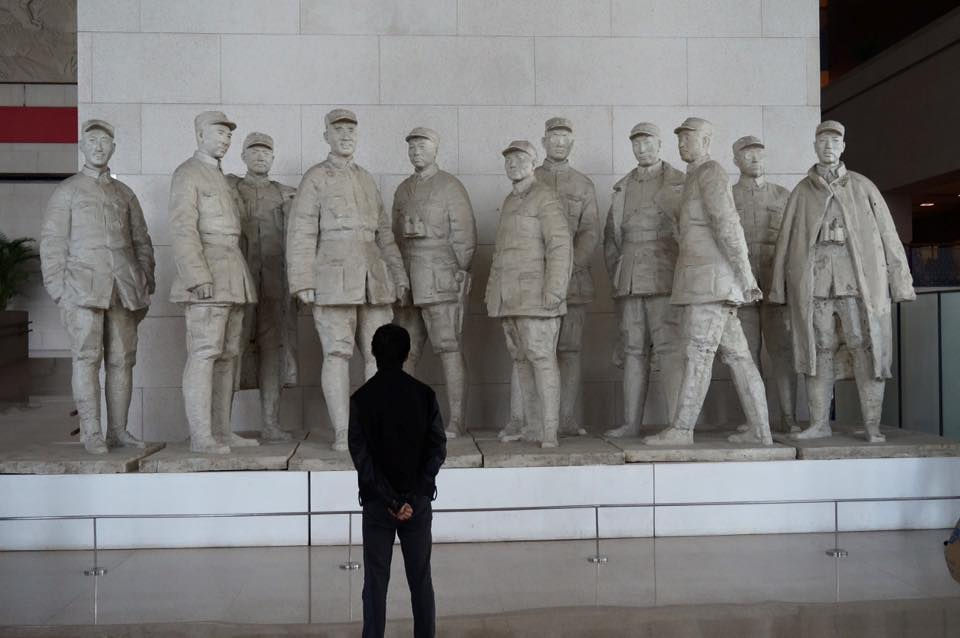
The National Museum
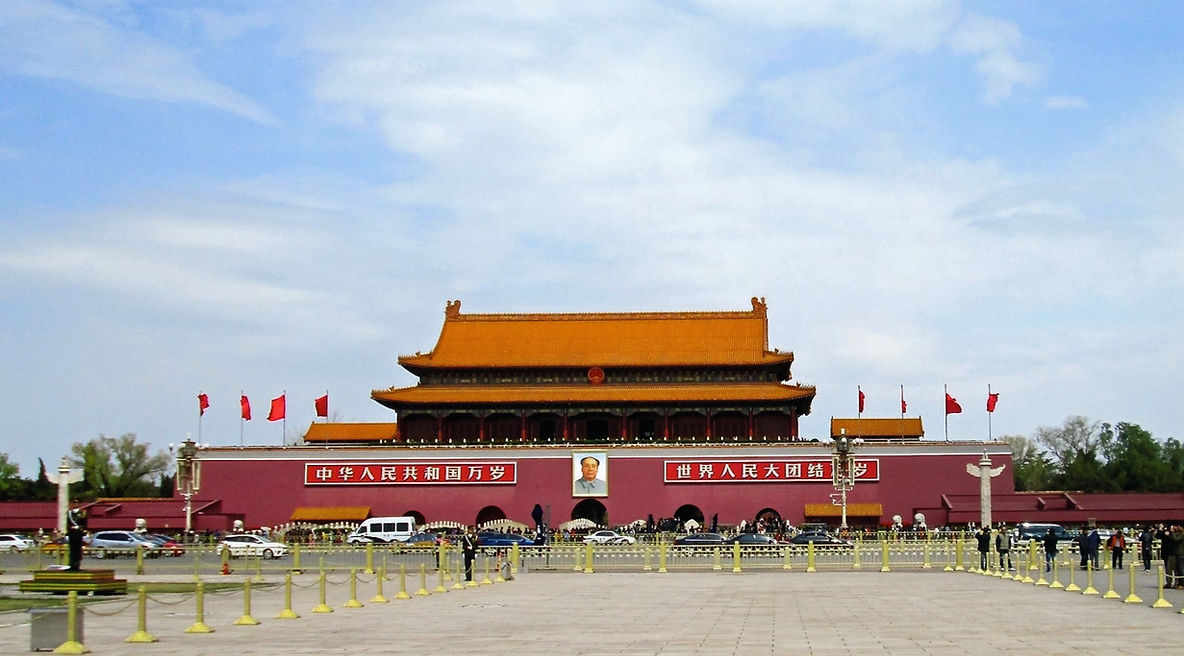
Tian’anmen Square
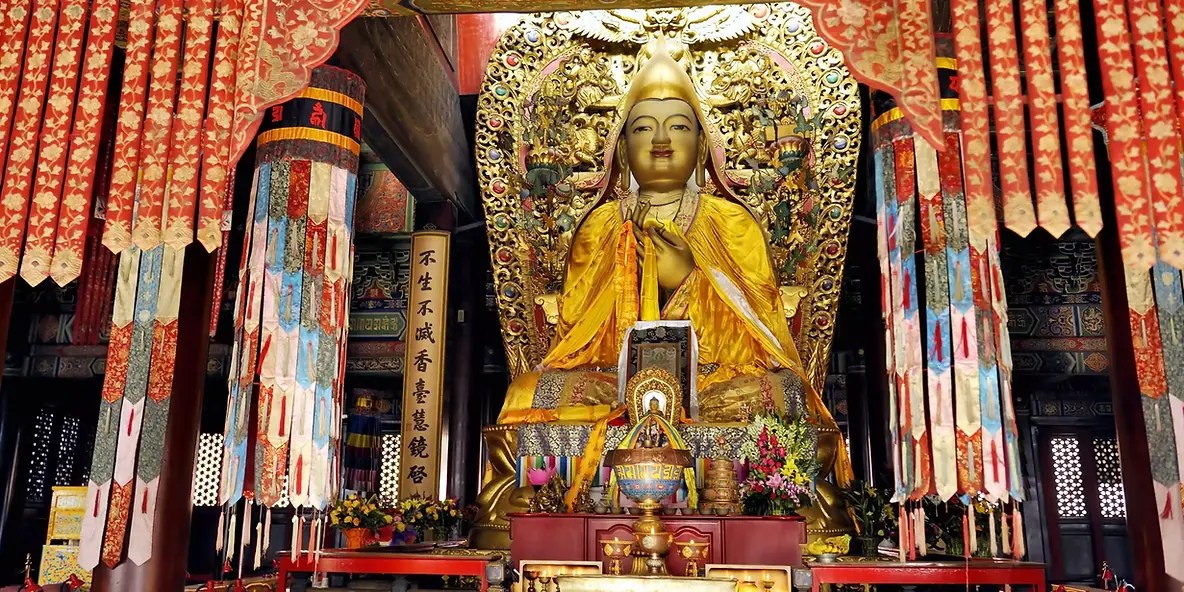
Lama Temple (Yong He Gong)
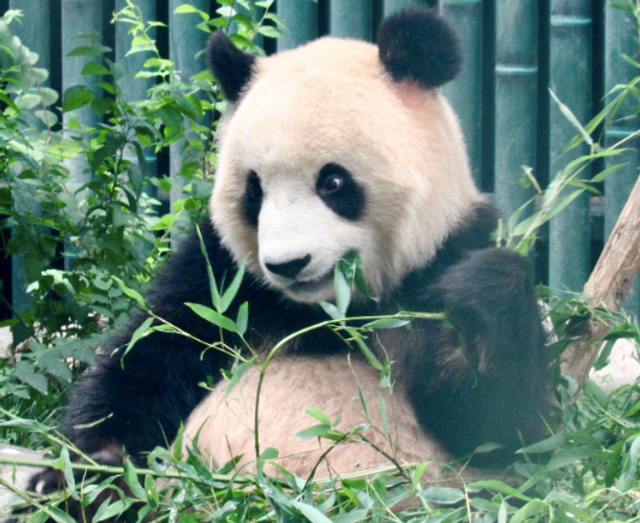
The Beijing Zoo
Highly recommended half-day trips outside of the city
If you have access to an automobile, or have enough spending money to rent a driver for a few hours, these historically significant sites are well worth your time.
Marco Polo Bridge (Lugou Qiao)
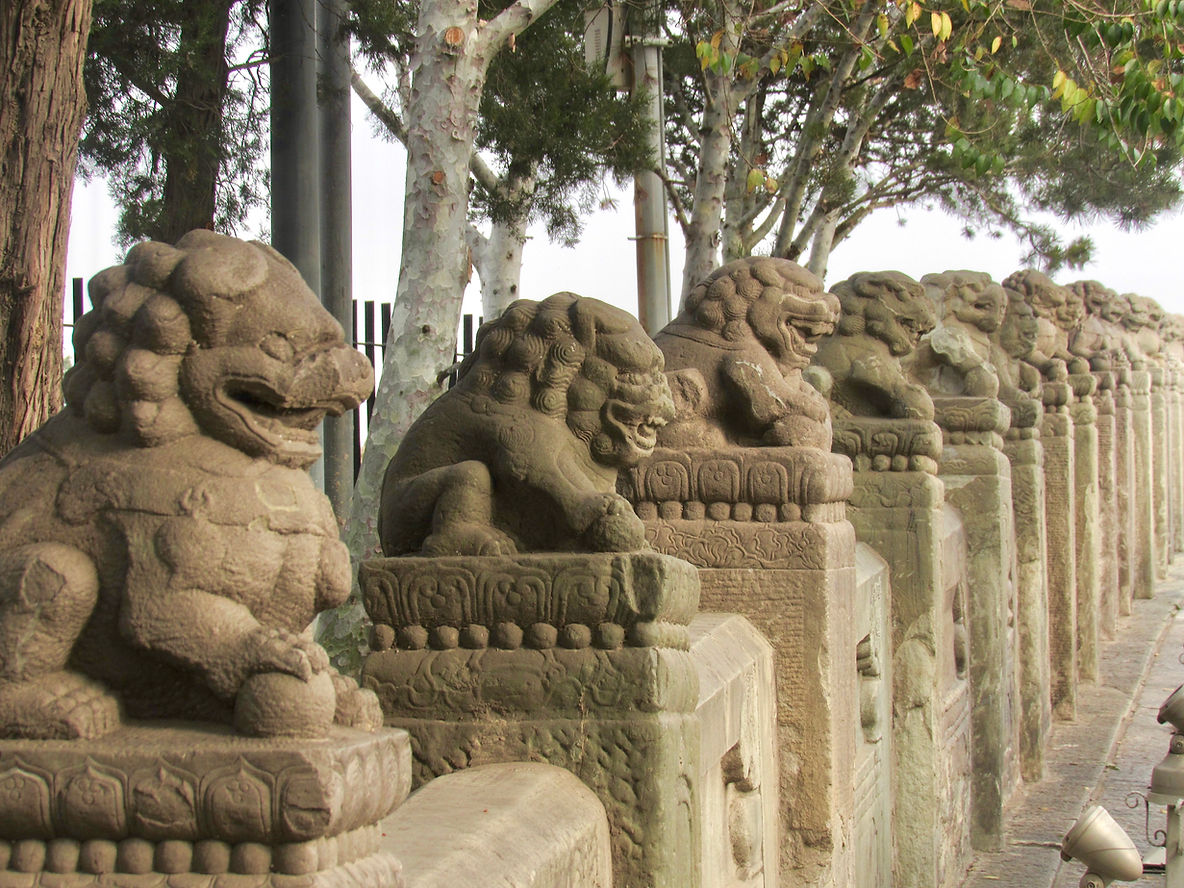
Anti-Japanese resistance museum and Wanping walled town
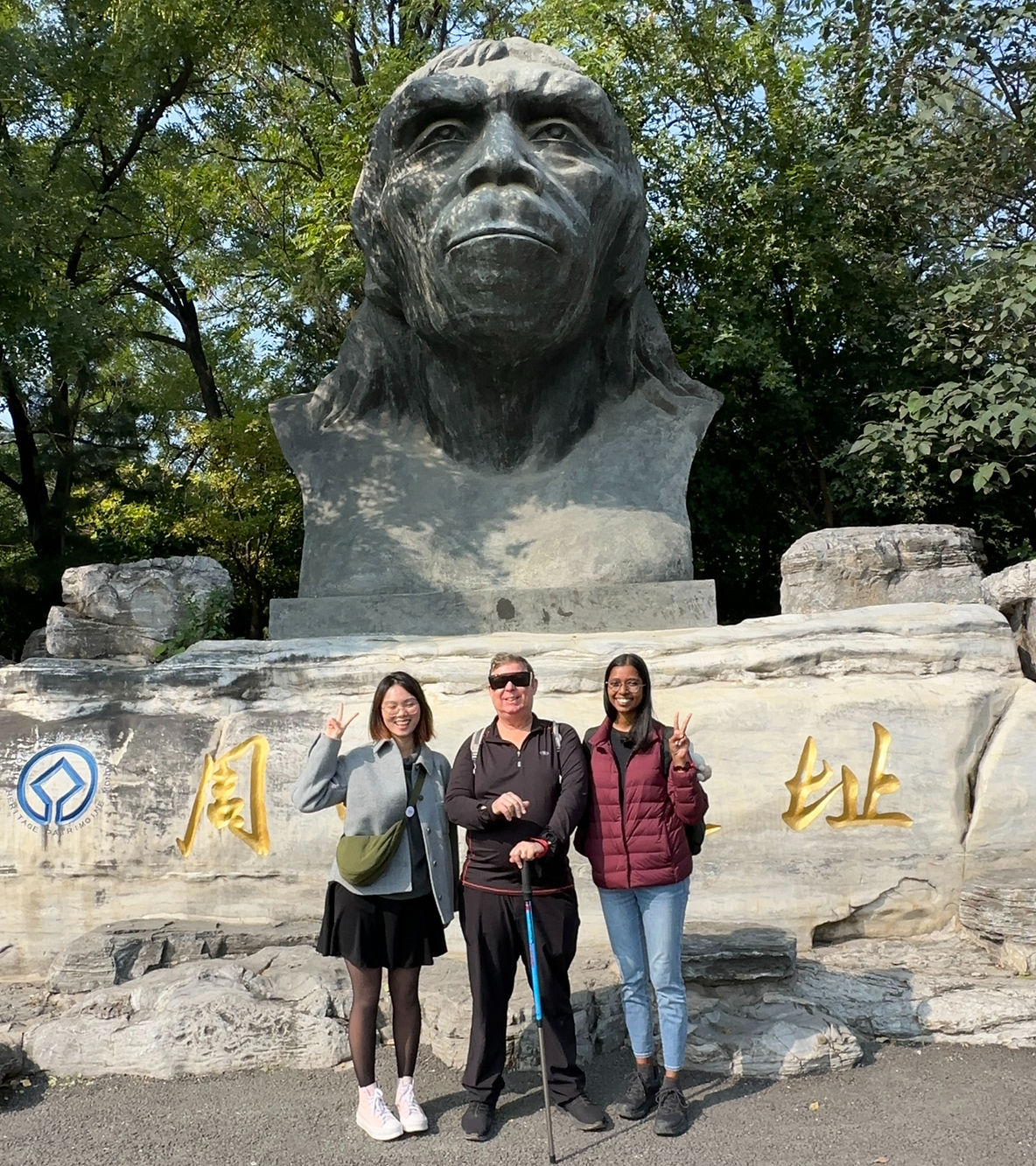
Zhoukoudian (Peking Man caves, park and museum)
Ming Tombs
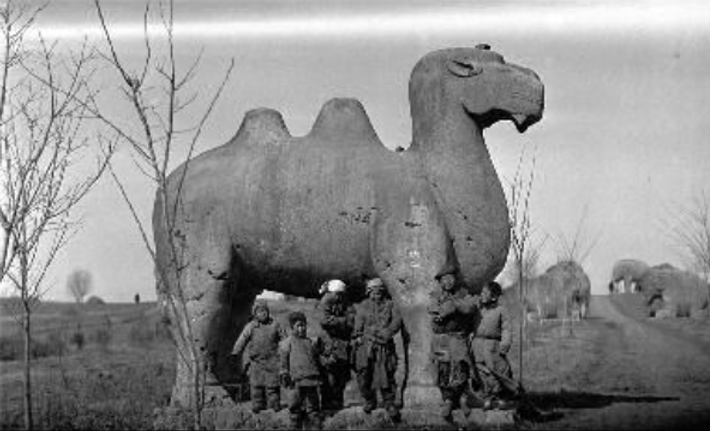
A historical photo of the Ming Tombs, circa 1950s.
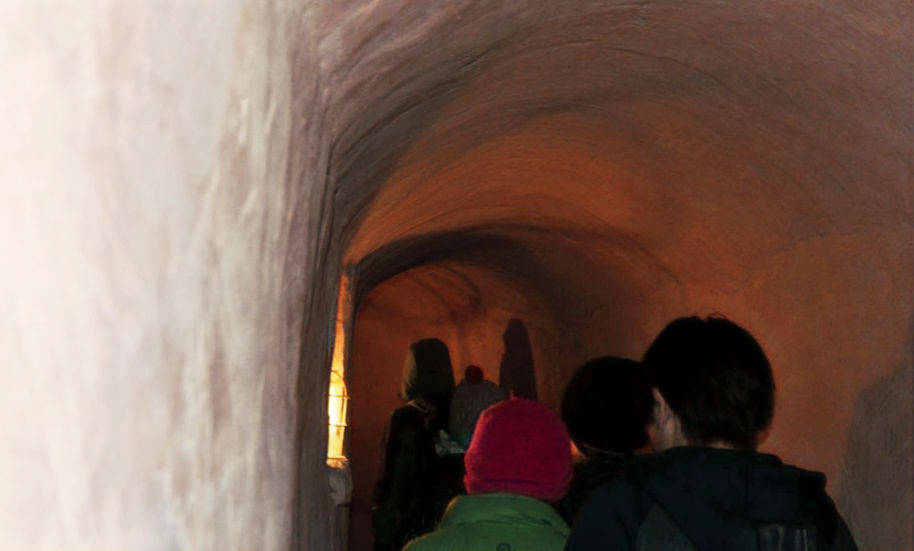
Jiaozhuanghu tunnels and exhibit
The Second Tier — but still first rate
Everyone has to make choices. These are all great options, if you have time to visit. Look at a map and try to cluster as many sites that are in the same general vicinity as possible. For example, you can visit Jingshan or Behai after a trip to the Forbidden City. Or combine the Bell and Drum Tower with a visit to Houhai for food, recreation or tourism.
The Bell Tower and Drum Tower
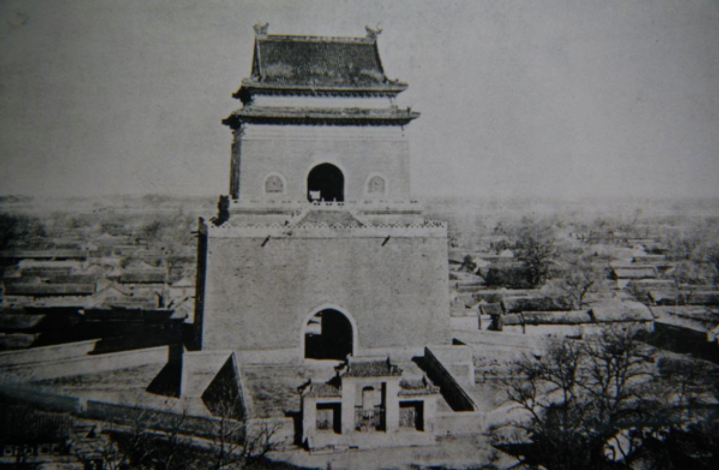
The Drum Tower between the fall of the Qing Dynasty and the Japanese invasion.
Jingshan (Coal Hill)
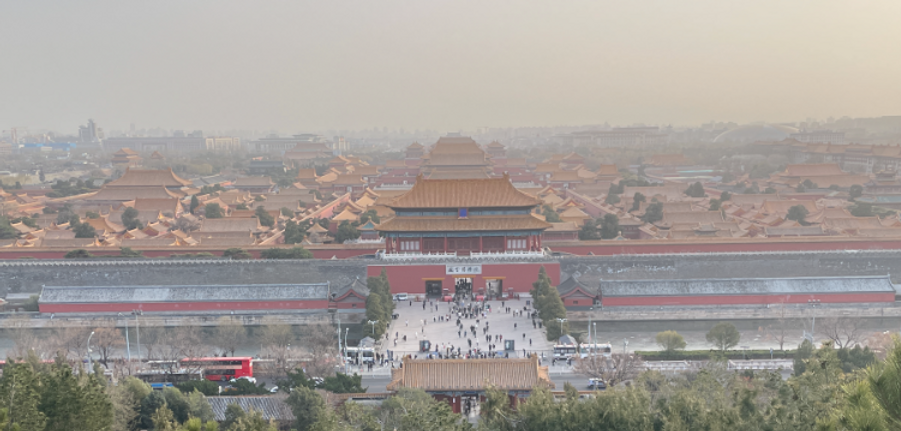
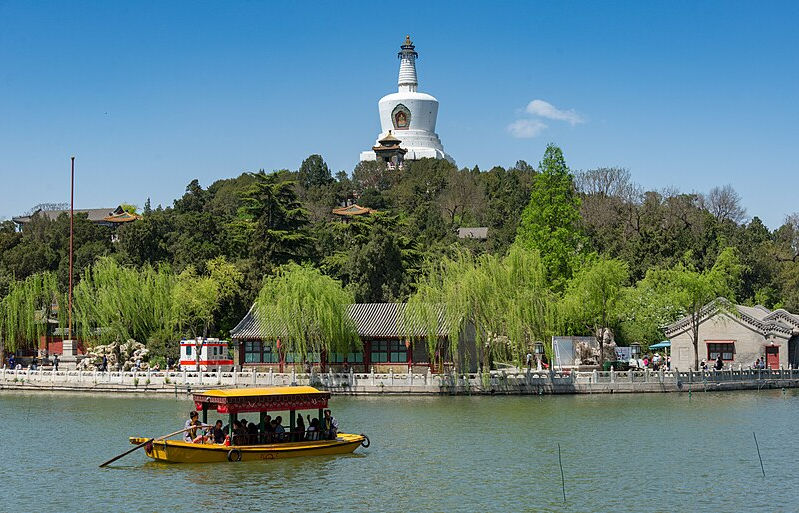
Beihai Park
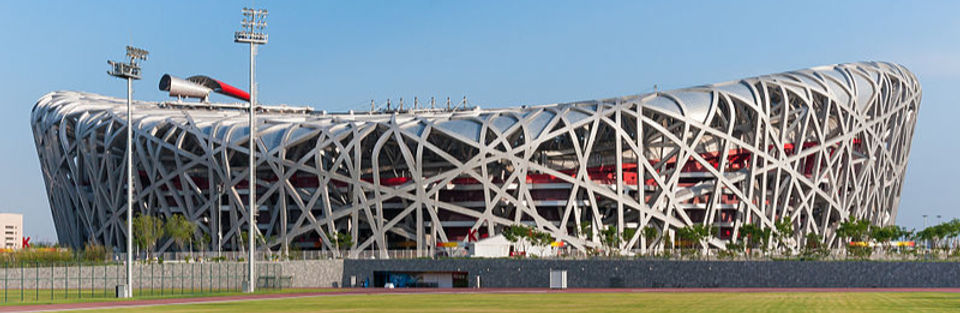
Olympic complex
Military Museum
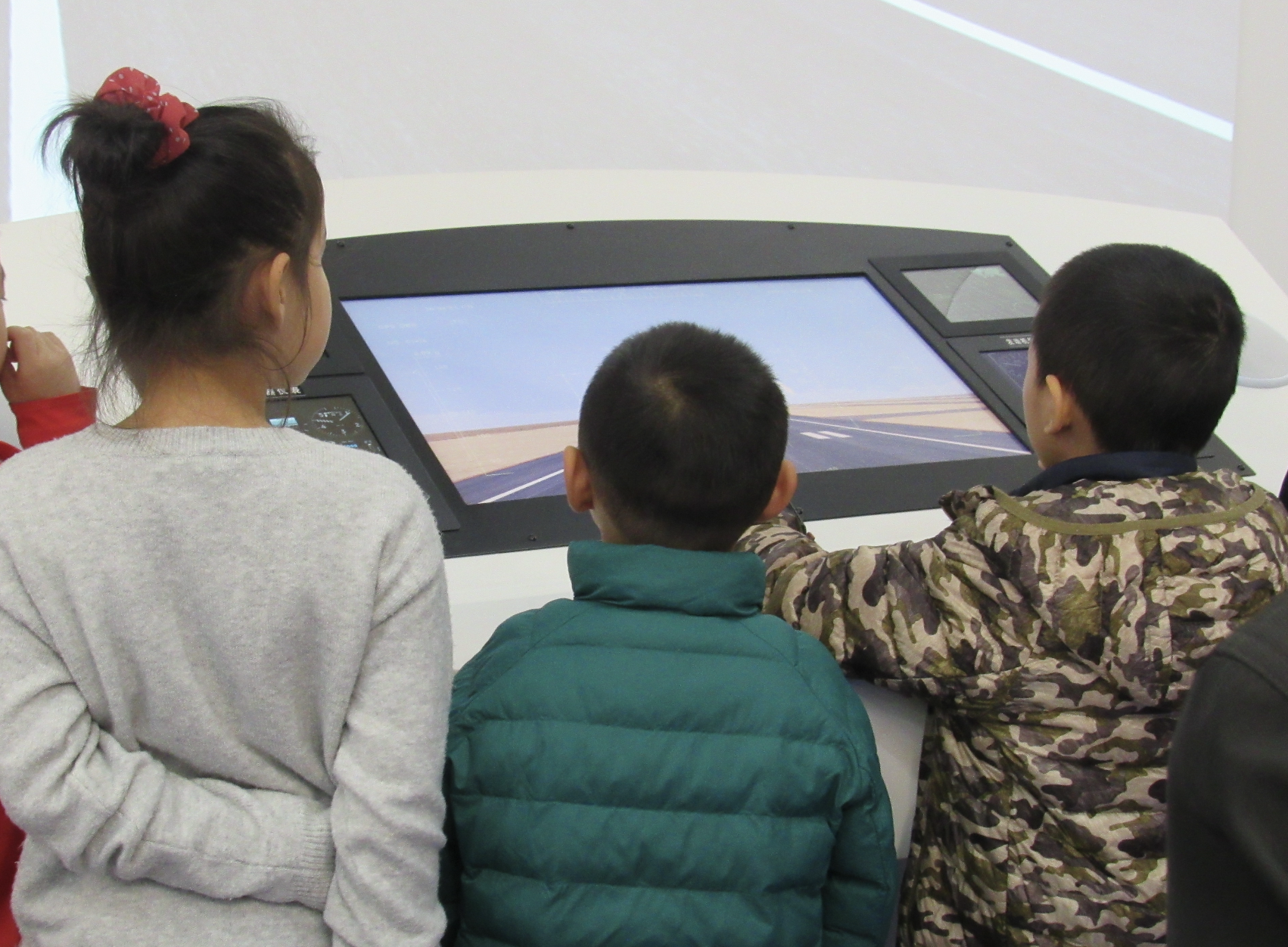
A young boy practices on a jet aircraft simulator at the Military Museum. (Photo by Rick Dunham)
Hidden Gems
These stops are not in many tour books. But they are all memorable.
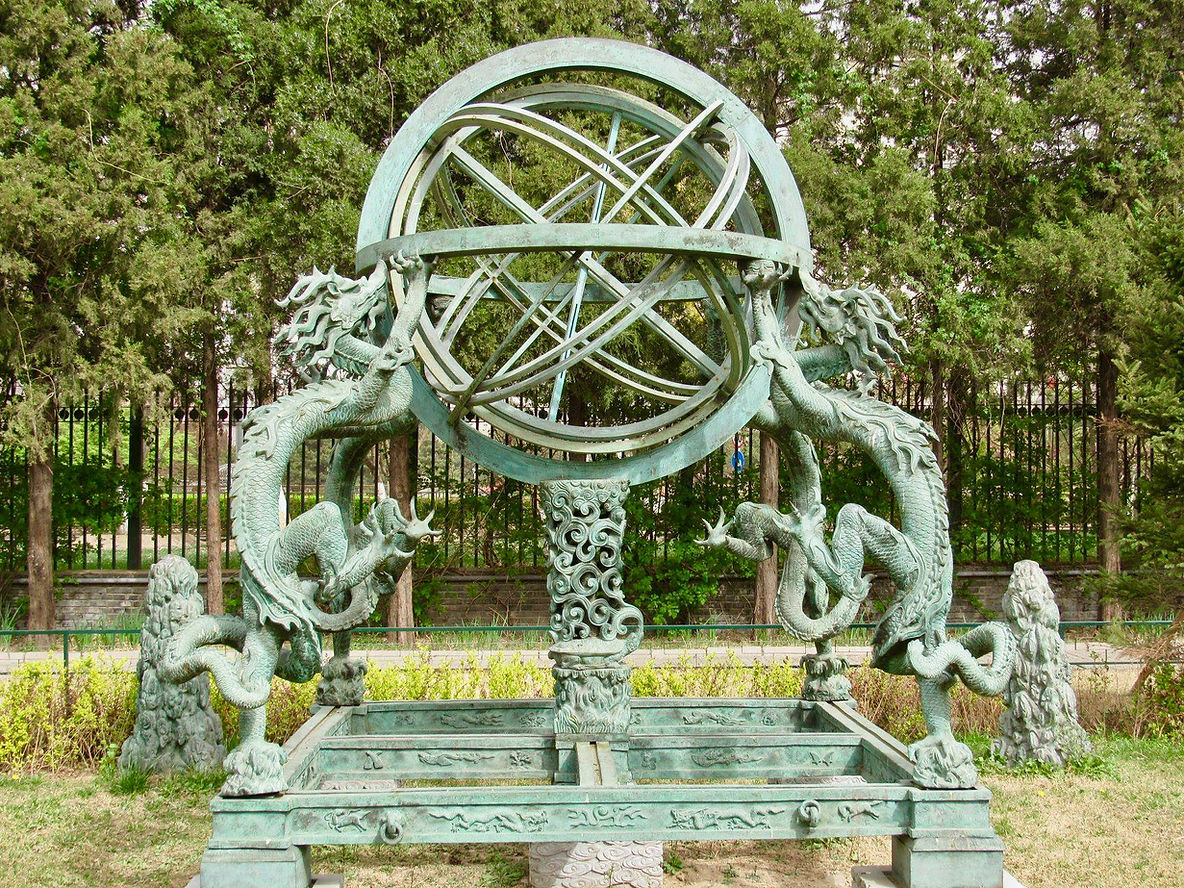
Beijing Ancient Observatory
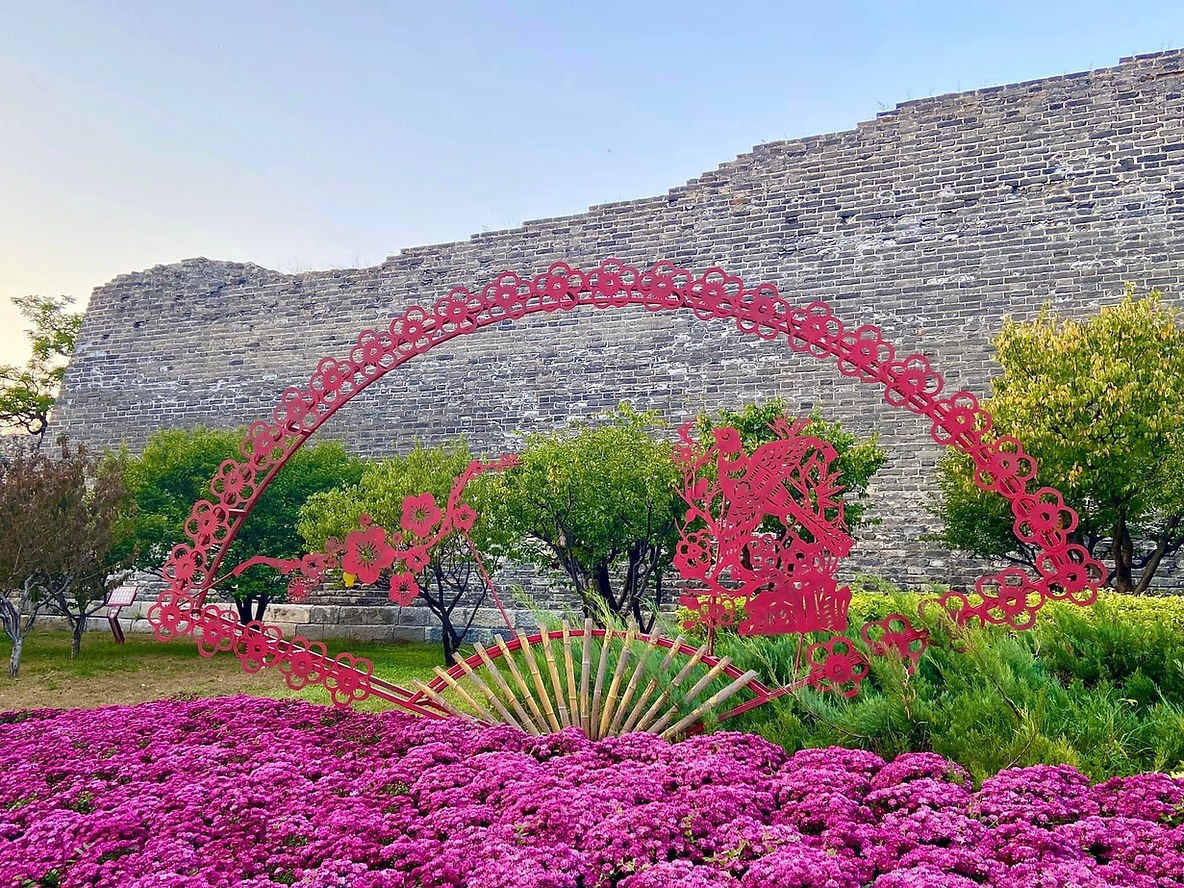
Beijing Ming City Wall Ruins Park
Confucius Temple
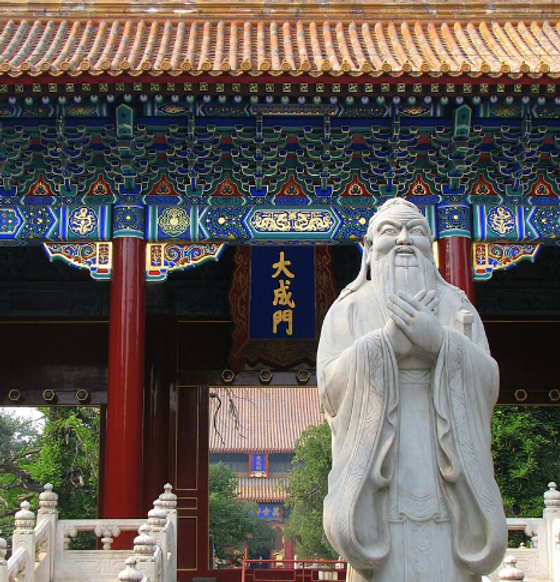
Photo by Rick Dunham
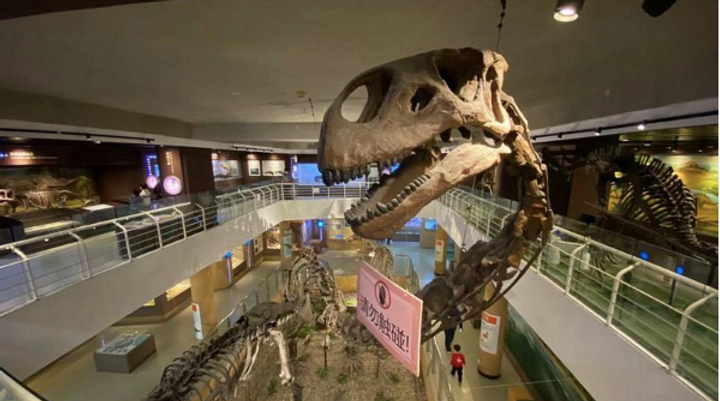
Paleozoological Museum of China
The universities: Tsinghua and Beida
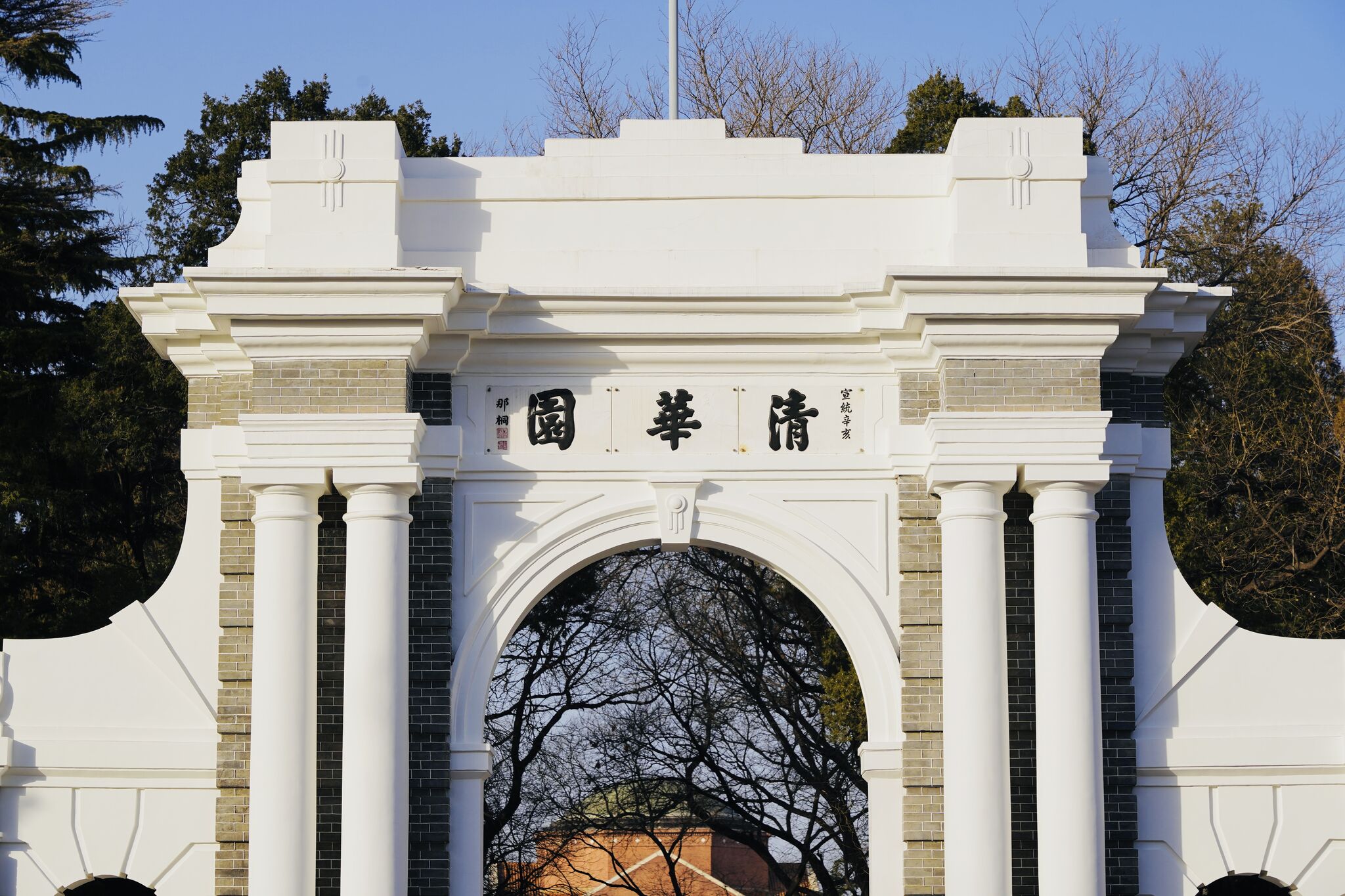
Photo by Rick Dunham
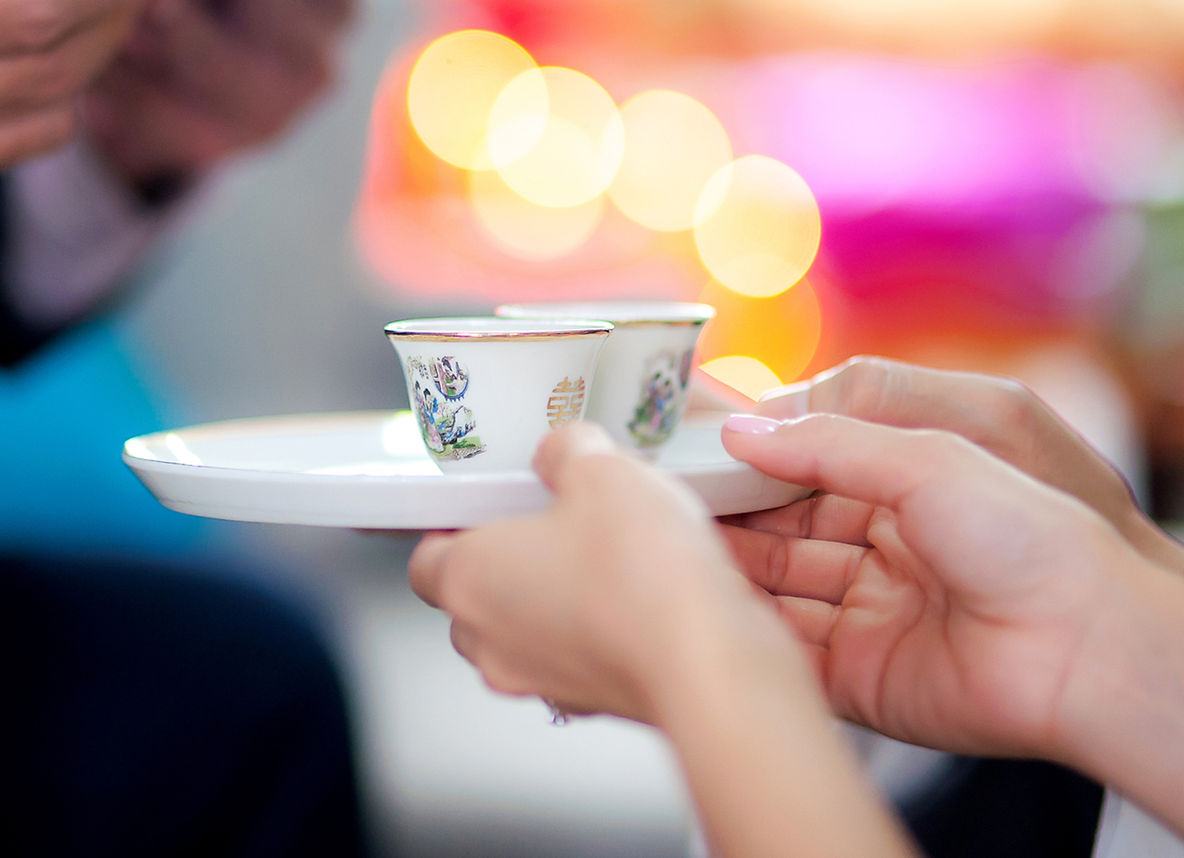
Tea tours
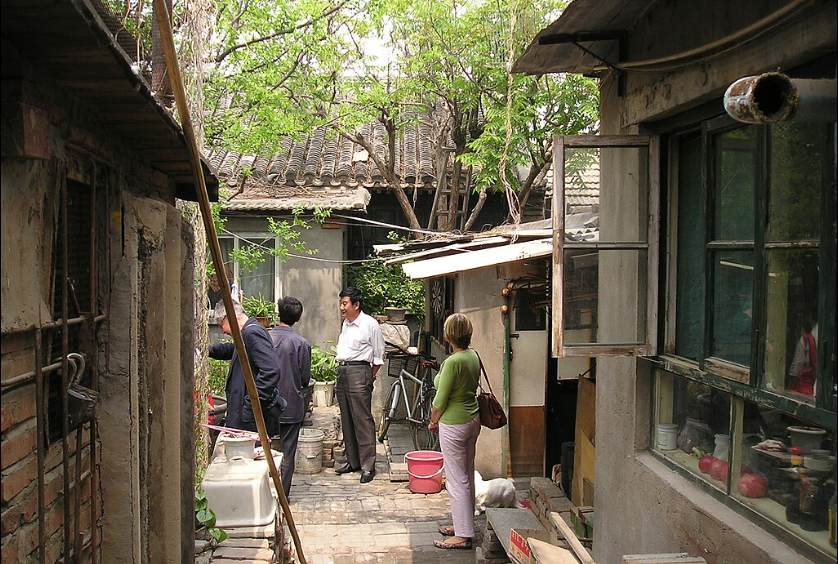
Hutong tours
New and Nice
Beijing has been on a museum building binge in recent years as the ruling Communist Party underscores Xi Jinping’s theme of “the great rejuvenation of the Chinese nation.” Among the results are some interesting new museums that showcase Chinese traditional culture, historical accomplishments and modern might.
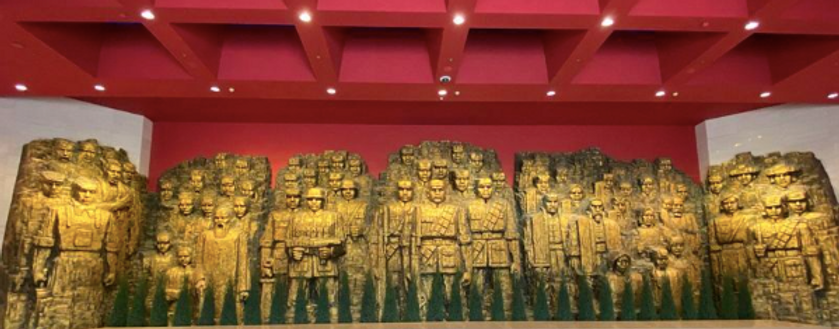
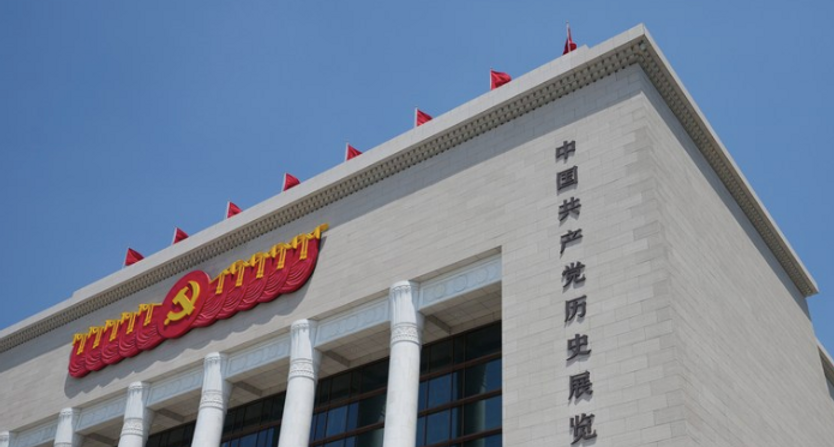
Museum of the Communist Party of China
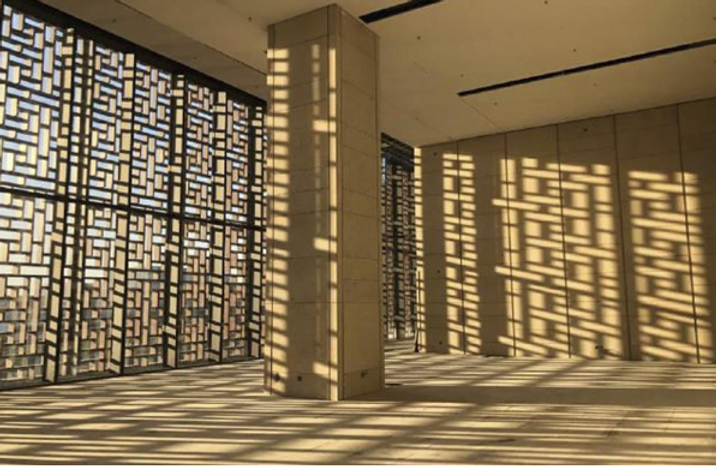
Chinese Traditional Culture Museum
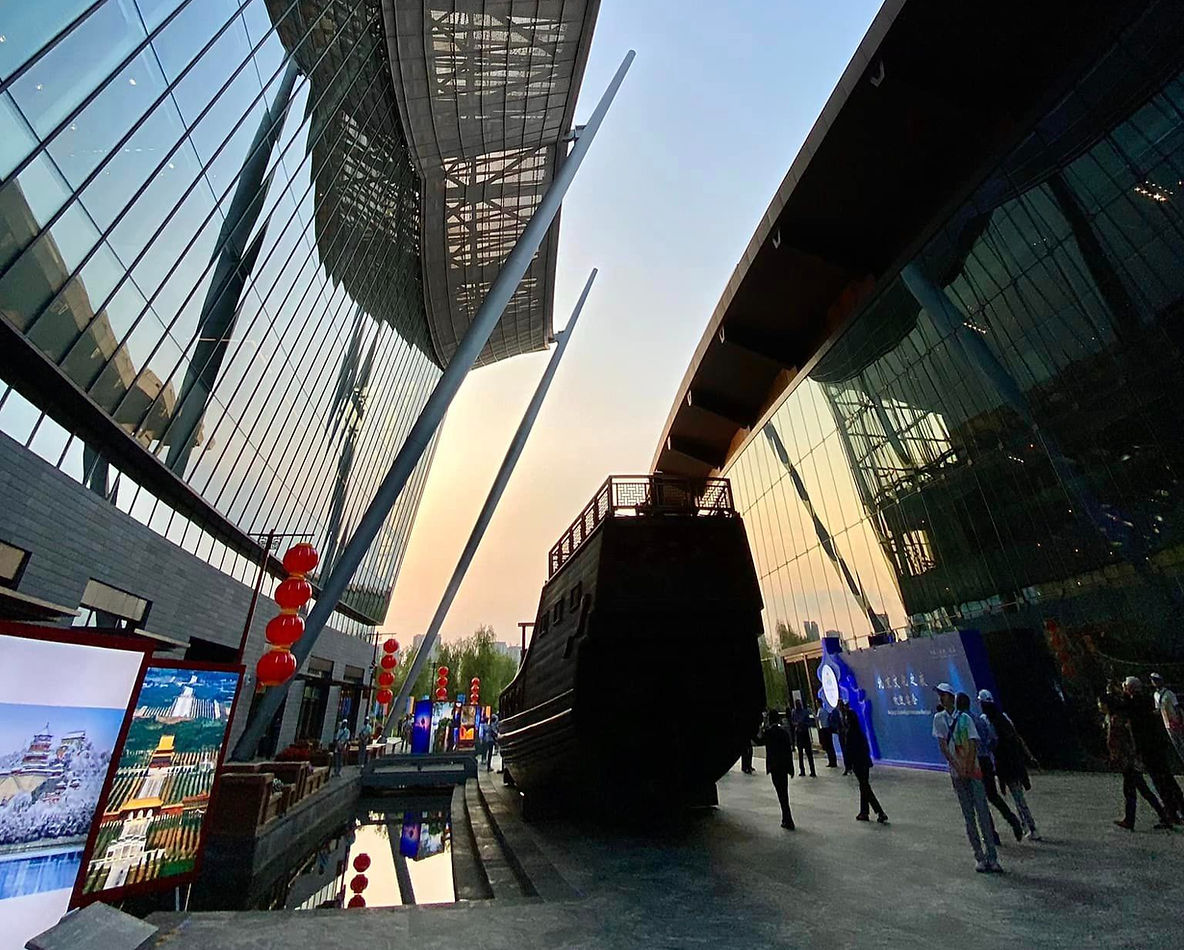
The Grand Canal Museum
Hiking and outdoor activities
Chinese families love to spend weekends outdoors. Older people spend much of their leisure time in the city’s plethora of parks. Young couples also stroll through the romantic and beautiful surroundings. Whatever your mood, there is a park for you. Whether you are seeking flowers, or a challenging hike, or 50 kinds of bamboo – you can find it somewhere in the Big City. Sometimes it’s free. Otherwise, the entry fee is inexpensive.
Purple Bamboo Park
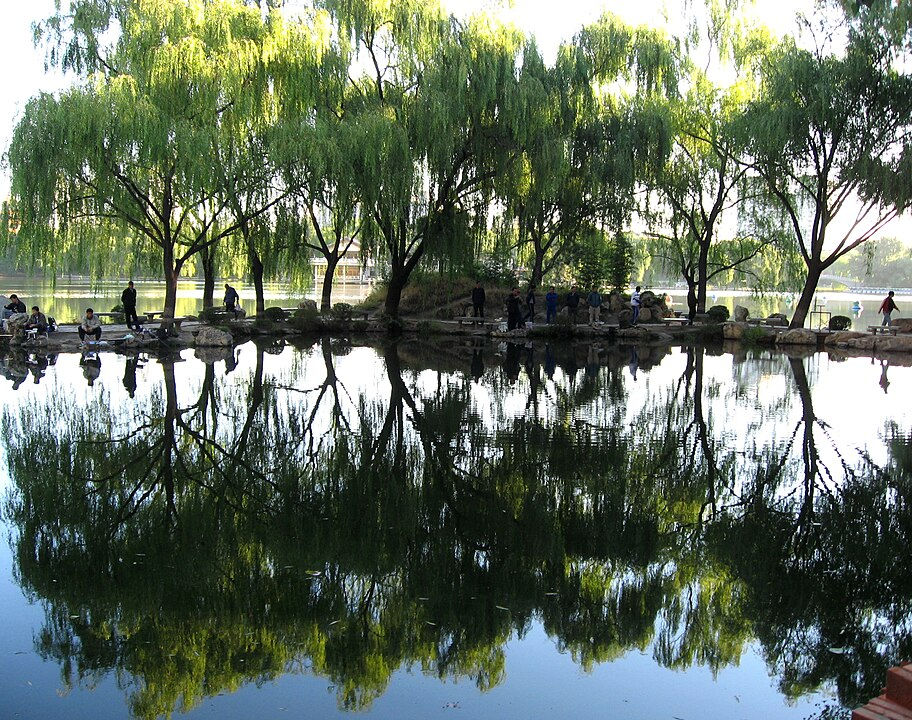
More than 50 varieties of bamboo are on view at Purple Bamboo Park, located near the zoo. The purple bamboo is the most famous, of course. The yellow duck boats are a favorite for visitors.
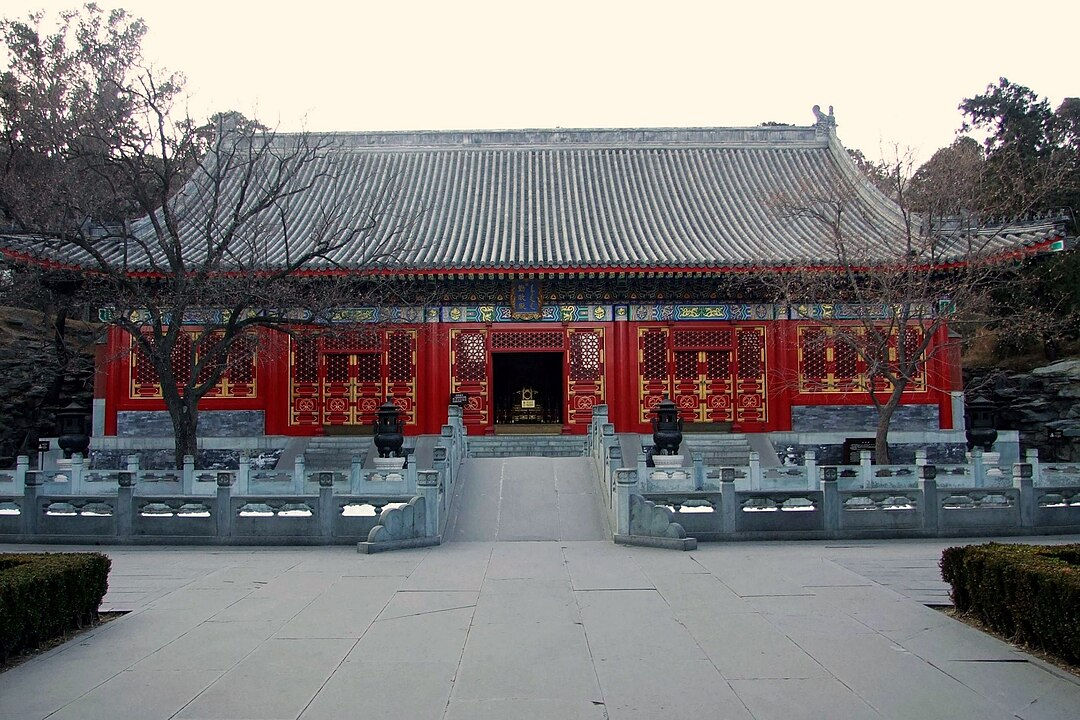
Fragrant Hills (Xiangshan)
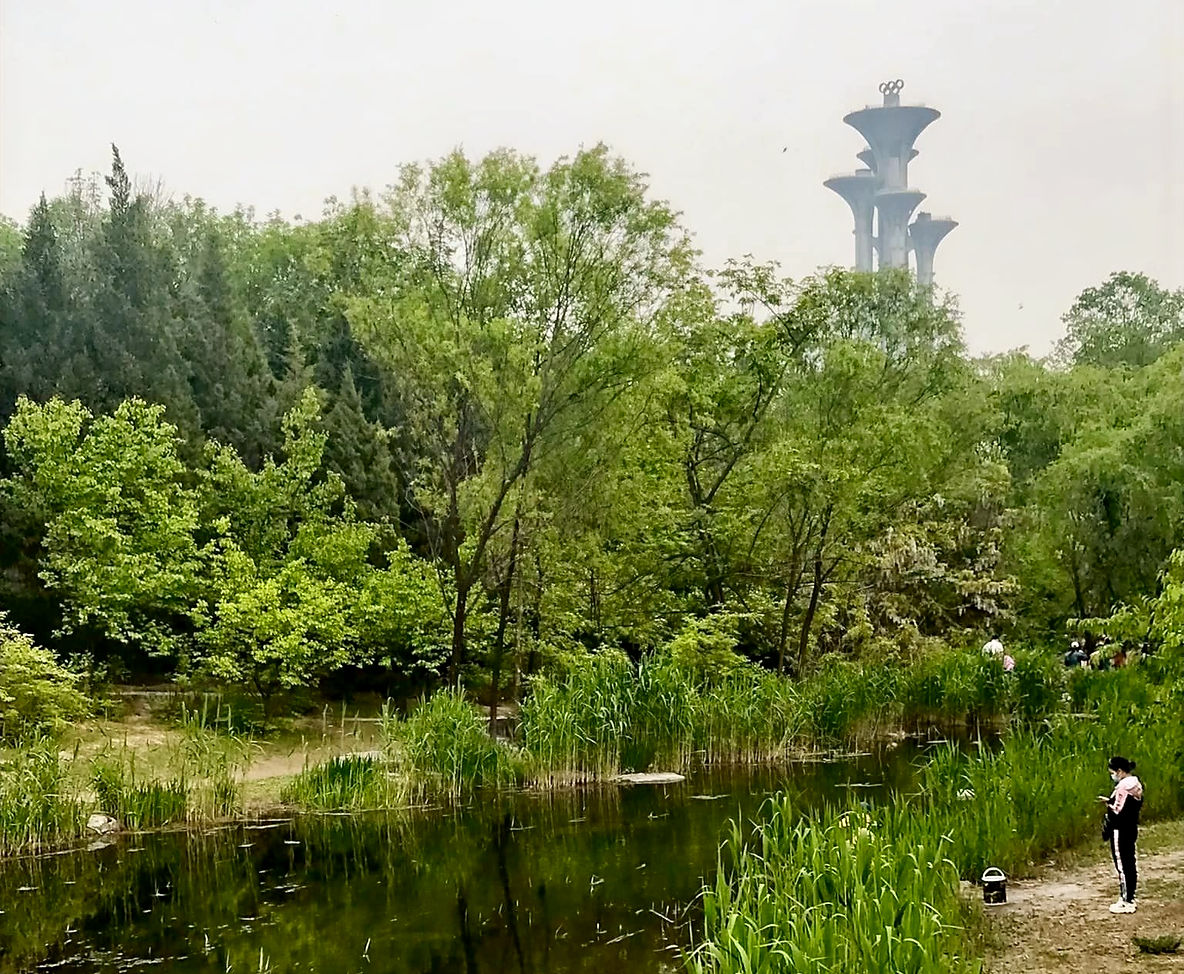
Olympic Forest Park
China National Botanical Garden
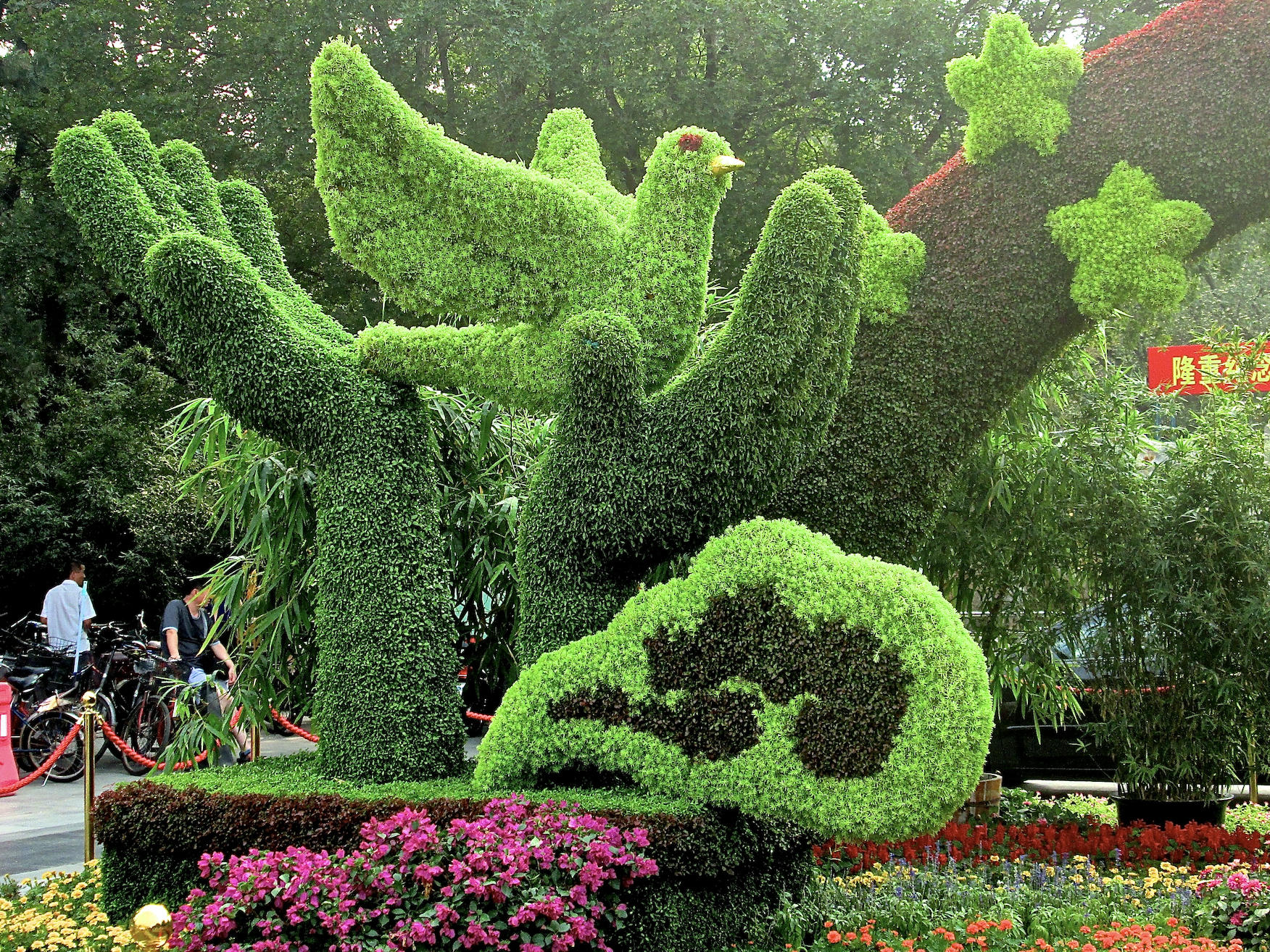
This massive park is known to many locals as the Beijing Botanical Garden. (Photo by Rick Dunham)
Ritan Park (Temple of the Sun)
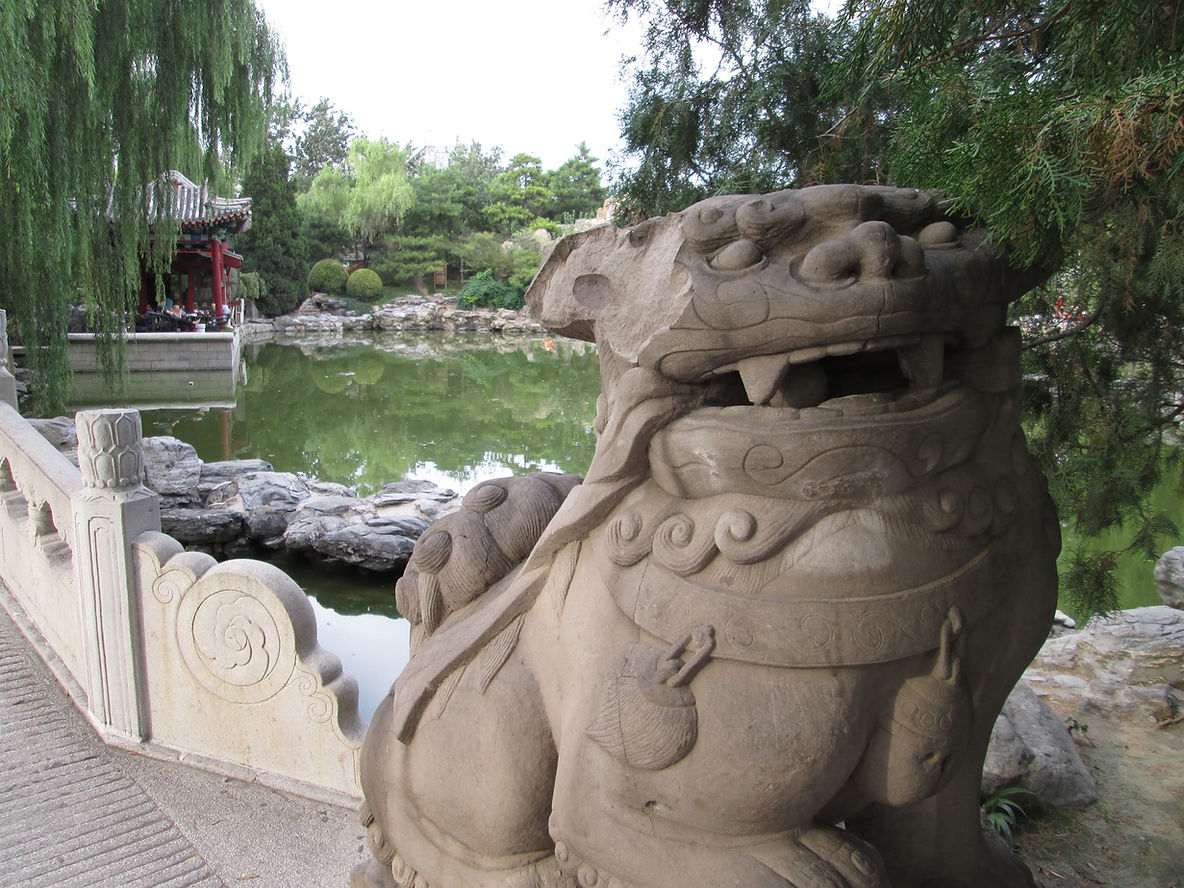
Popular with younger people
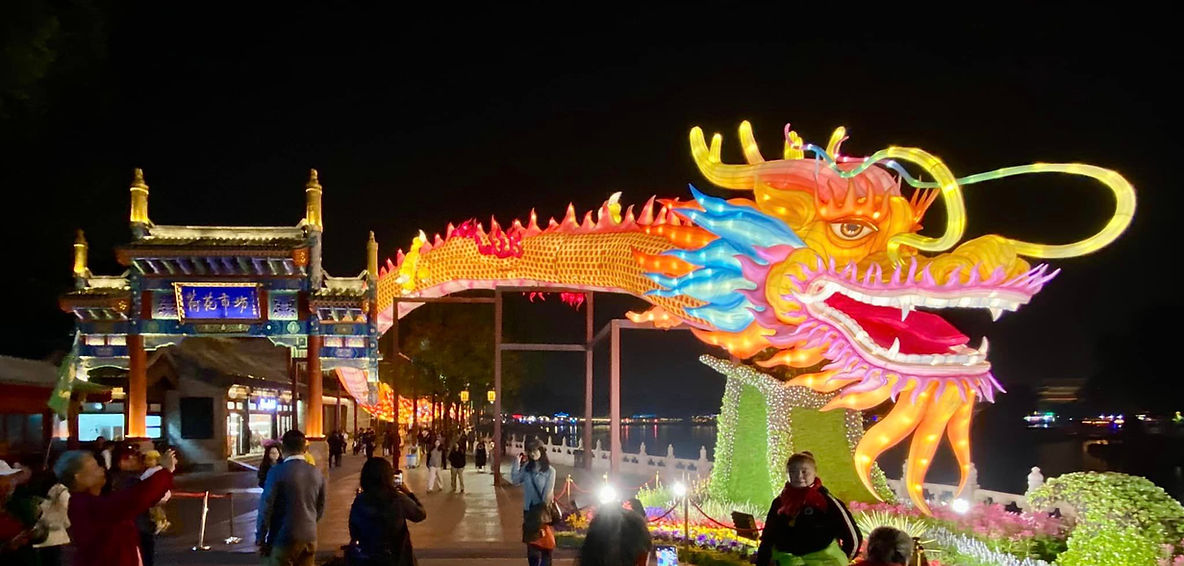
Several zones in Beijing are particularly popular among younger people for their combinations of culture, restaurants, art, entertainment, bars, diverse nightlife, and, yes, even some museums tucked away for further exploration. Many of them are near hutong neighborhoods, which add to their charm, though they can cause you confusion and minutes lost while looking for your destination.
Houhai
Sanlitun
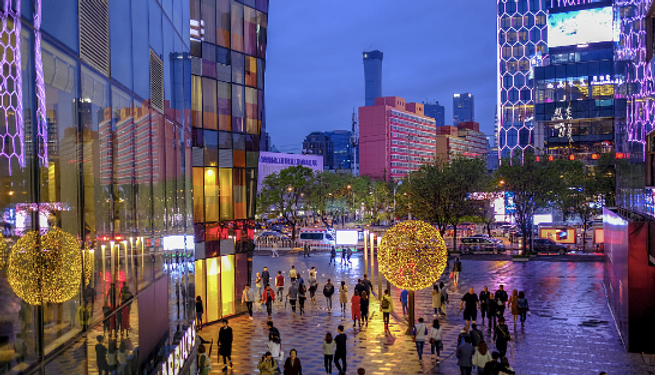
Sanlitun, with its alleys, hutongs and gleaming glass shopping malls, is the social center for young professionals, students and the diplomatic set.
Wudaokou
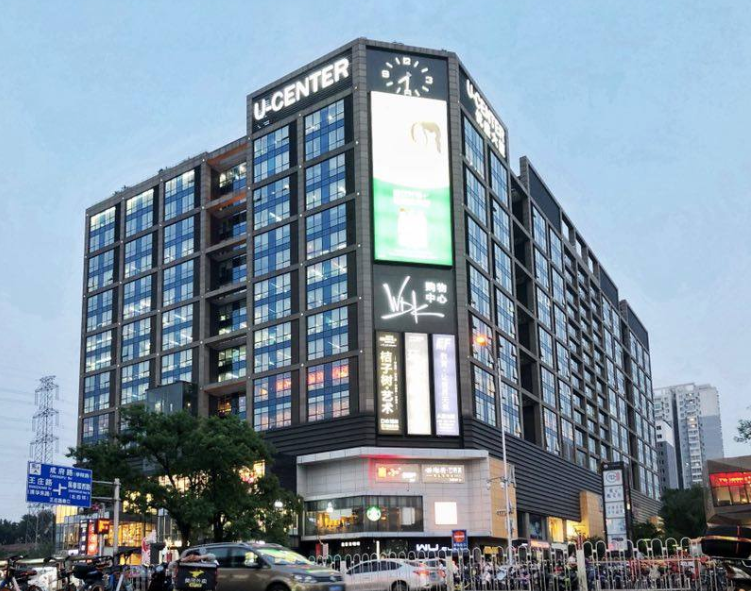
798 Art District (Dashanzi)
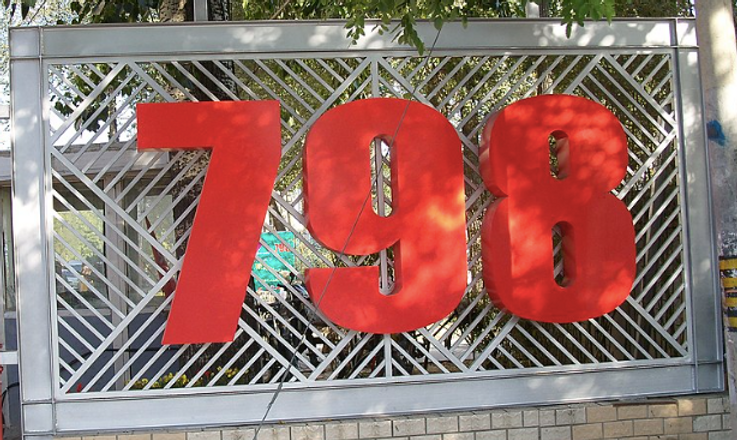
An old warehouse area has been transformed into the funky arts district. For a quarter-century, it is the closest thing Beijing has to a Bohemian quarter, with galleries, cafés and gathering spots for the intellectual set, both Chinese and expat.
Your top tourist attractions in Beijing?
Do you have any more tourist destinations you’d like to add to the list? Please post a comment and explain why you would add your favorite place to this compilation.
What every tourist should know before visiting China
Posted: January 3, 2014 Filed under: Discovering China, Dunham's Discourses | Tags: Beijing, Beijing pollution, Beijing subway, Biking in Beijing, China, Chinese food, National Museum, Summer Palace, the Forbidden City, tourism, traffic 2 Comments
- Check your cultural assumptions with your luggage. Life is different here. Don’t view life in China through the prism of your American or European experiences.
- Beijing is crowded and massive. Don’t be intimidated by the volume of traffic, the human gridlock or the seeming chaos on the streets and in the subways. You’ll get used to it.
- Don’t be afraid to jostle people. There is no sense of personal space here. Don’t take it personally if somebody elbows you or pushes you.
- There is no “walk right, pass left” etiquette here. People walk, bike or drive every which way. Cars DO NOT stop for pedestrians. Bikes DO NOT yield to pedestrians. In fact, nobody yields to anybody.
- Be decisive. Indecisive people get run over by bikes or cars or other pedestrians.
- Don’t get upset when people spit on the street at any time in any place. Spit happens in China.
- Do not expect Western-style toilets. Get used to holes in the ground. Don’t complain about it. Get used to it.
- If there is not a price listed on an item in a market, you are expected to bargain. At tourist-oriented markets (such as the Silk Market), the original prices might be ten times what is reasonable. Don’t be afraid to walk away. Even if you are interested in buying something. Negotiate aggressively. If you don’t want to negotiate, go to a regular store.
Food and drink

Be careful of street food, despite its enticing aroma.
- Don’t drink the water. Use bottled water, even for brushing your teeth.
- Be smart when it comes to street food. Some of it is delicious, but some of it is cooked in oil that is, simply put, poisonous. Unless a Beijinger vouches for a vendor, think twice before trying it. I’m afraid I speak from experience (some bad “stinky tofu”).
- Don’t be afraid to sample the rich variety of tasty regional cooking. Experiment beyond your comfort zone. Try things.
- Don’t expect Chinese food to be the same as American Chinese food. It’s better. Most of all, it’s different.
- Your drinks may be warm or hot when served at restaurants. This includes water, milk and juices. Chinese meals maintain a balance. Cold drinks can throw a hot meal off-balance. If you want cold water (or beer) make sure to order it “bing.”
Getting around
- Fewer people speak English than you might expect. It’s not like traveling in Europe. Younger people are more likely to understand English than older people. Some younger people may want to practice their English on you. Enjoy that – unless they’re trying to sell you something.
- Stay calm. If things go wrong, it won’t do any good to raise your voice. If people don’t understand you, it won’t help you to get agitated.
- Go to the most popular tourist attractions during the week. Earlier is better for places like the Forbidden City, the Summer Palace and the National Museum. They can get very crowded by midday, particularly on weekends or holidays.
- Use the subway. Because of surface traffic gridlock, the subway usually is the fastest way to get from Point A to Point B in Beijing. It is clean, efficient and cheap, in addition to being crowded. Relax and enjoy it.
- If you are taking a taxi, make sure somebody writes down your destination in advance IN CHINESE. Do not assume that you will be able to communicate with a cab driver by trying to pronounce a location in Mandarin. You’re probably mispronouncing it, or worse, saying something embarrassing that you don’t mean to say.
- Try to find a good street map in English (or at least in Pinyin).
- Use Google Maps online to get an idea of where you’re going and a sense of how far it is from the nearest subway stop.
- Make sure you have your passport with you when checking in to hotels or on plane or train journeys. Carry a photocopy of your passport ID page and your visa with you at all times.
Technology
- Get ready for slow, unreliable Internet and spotty WiFi. Do not expect that you will have working Internet 24/7. Internet and WiFi can stop working at any time.
- If you want to use Facebook or Twitter or YouTube or other blocked sites, you will need to have working VPN service before you arrive in China. (Email me if you need information on VPNs.) You also will need a VPN to access the New York Times, Bloomberg and some other news site.
- Bring an electrical converter or a couple of converters designed for use in China. (Not Hong Kong.)
- Bring a multiple-USB recharger for your electronic devices such as cameras and smartphones. You will need an electrical converter for this, along with one for your laptop.
- It may be very expensive to use your U.S. smartphone for calls and data. Check in advance before you leave the U.S. You can always disable the data and use it via WiFi. That’s what I do, which allows me to use email, social media and the Internet for free. I also use my U.S. cell phone for text messages with friends and family in the U.S. (at a cost of 50 cents per text sent and 5 cents per text received).
What to pack
- Dress in layers. Be ready for wind gusts.
- Bring disposable 3M anti-pollution masks. They aren’t very expensive and they can make your life more enjoyable on dangerously polluted days. Don’t be self-conscious about using masks. It’s for your own health.
- Bring toilet paper, napkins, tissues and hand sanitizer. You often will not find these products in public places.
- Make sure you have plenty of prescription medicine and vitamins. It will be hard to find, if you need it, and it may be expensive and questionable in quality.
- Make sure you bring extra medication to combat stomach ailments and flu-liked symptoms such as Pepto Bismol, cold medicine, DayQuil and NyQuil.
- Check in with your credit card companies and banks before you leave to let them know you will be making purchases in China.
Feel free to offer suggestions to make this guide more useful. I will update it with your ideas.
Enjoy China!


Recent Comments