Beijing’s top tourist attractions, from the old standbys to the hidden gems
Posted: September 30, 2026 Filed under: Discovering China, Dunham's Discourses, Uncategorized | Tags: Asia, Beijing, Beijing tourism, Beijing Zoo, China, China tourism, Forbidden City, Great Wall, history, Lama Temple, pandas, Summer Palace, tea, Temple of Heaven, Tiananmen Square, travel, Yuanmingyuan Ruins Park, Zhoukoudian Leave a commentBy RICK DUNHAM
In more than 13 years in Beijing, I’ve visited just about every museum I could find. As a history major and a journalism professor, I’ve explored dozens of sites with ties to Chinese history and some that even pre-date modern humans. I’ve hiked the Great Wall 40 times, from its western terminus in Gansu province to the Yalu River bordering North Korea.
I’ve seen domestic tourism explode in China and the number of museums in the nation more than doubled. Visiting cultural sites “has become trendy among citizens in Beijing,” says Yin Li, secretary of the CPC Beijing Municipal Committee. Tourism is a much more user-friendly experience today than it was a decade ago, from ubiquitous QR codes to more modern toilet facilities.
Beijing boasts hundreds – yes, hundreds – of museums, cultural attractions, parks, historical sites and other locations for visitors to see. As Irina Bokova, former director-general of UNESCO, said recently, “the city bears witness to more than 3,000 years of cultural history.”
There’s no way to see it all in a short visit. Or even if you are here for a year or two. But try to pack in as much as you can in whatever time you have. Here are some of the best tourist opportunities Beijing has to offer.
The Core Four
I hope this guide will help you to prioritize your adventures in China’s capital city and environs. It’s a wonderful place to explore. Enjoy!
These are the Beijing tourist attractions that every visitor must see. If your family is visiting, take them there. If someone has just two or three days in town, figure out a way to squeeze all of these in.
The Great Wall
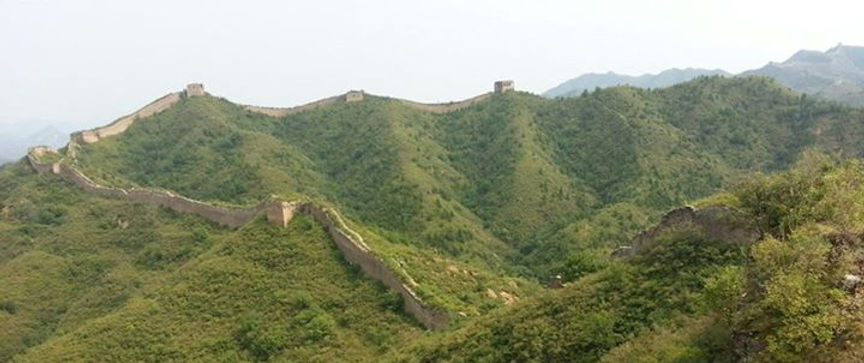
Photo by Rick Dunham
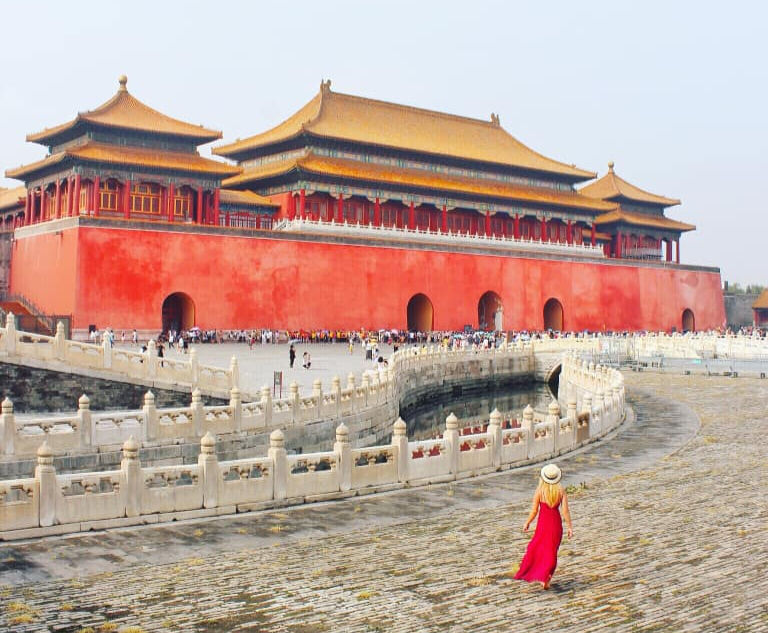
The Forbidden City
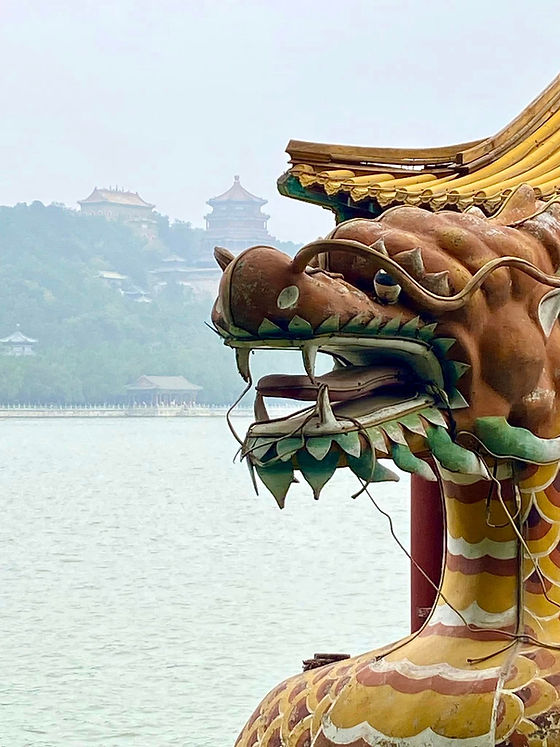
The Summer Palace
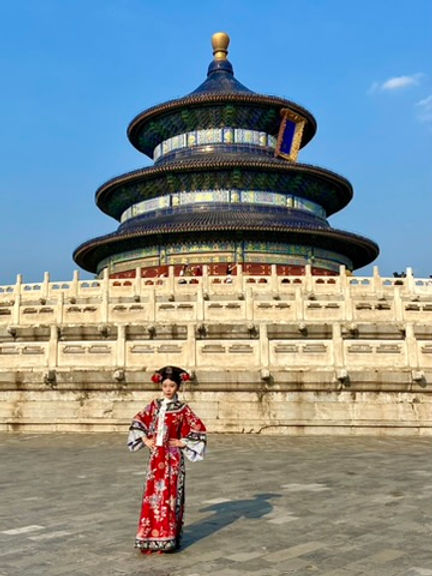
The Temple of Heaven
Memorable sites you don’t want to miss
Everyone has to make choices. You can’t see everything. But there are some places that you should try to find time to see, whether your visitor is here for four days or three months.
Many of these memorable sites can be combined with the must-see sites on a single itinerary. Yuanmingyuan is close to the Summer Palace and can be visited together in an outing. The same is true of the National Museum, Tian’anmen and the Forbidden City (admittedly, a very long and intense day). And the Beijing Zoo, with its delightful pandas, is a short subway ride away from the city center.
Yuanmingyuan Ruins Park
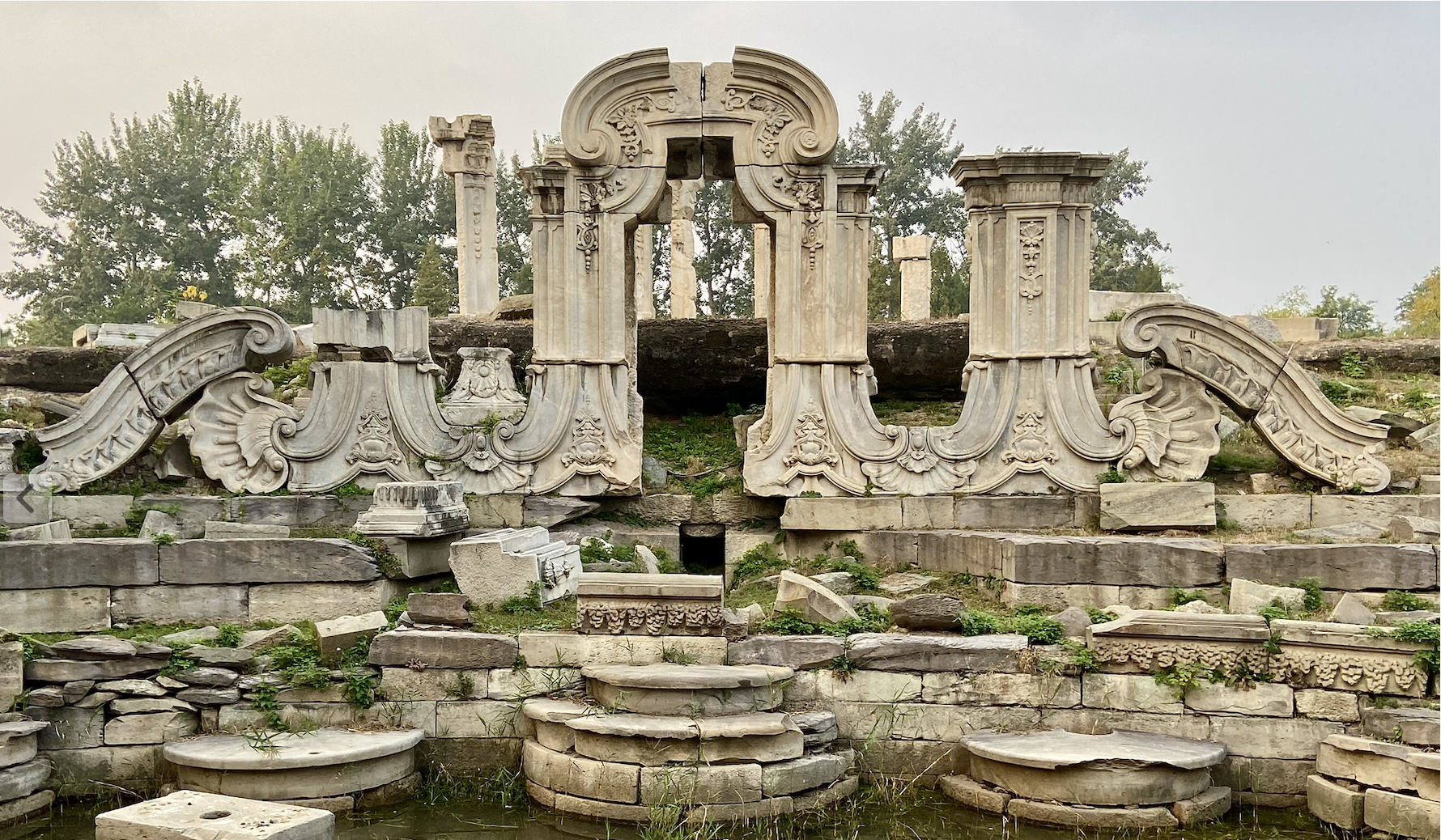
The ruins of Yuanmingyuan are one of the most stunning parks in Beijing. They range from traditional Chinese architecture of the Ming era to Italian-Chinese fusion palaces of the 18th century. All were destroyed by British and French invaders. (Photo by Rick Dunham)
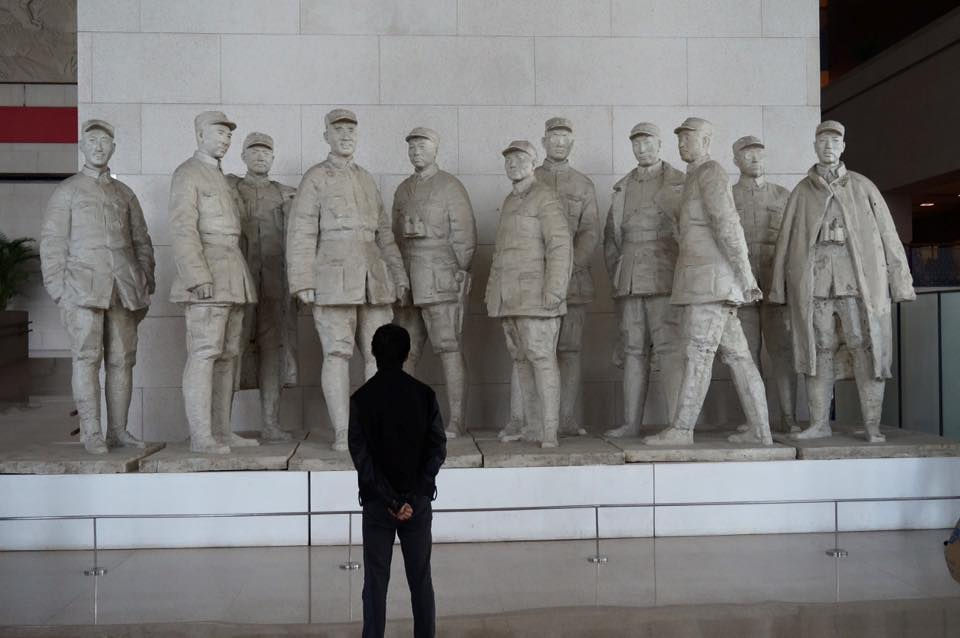
The National Museum
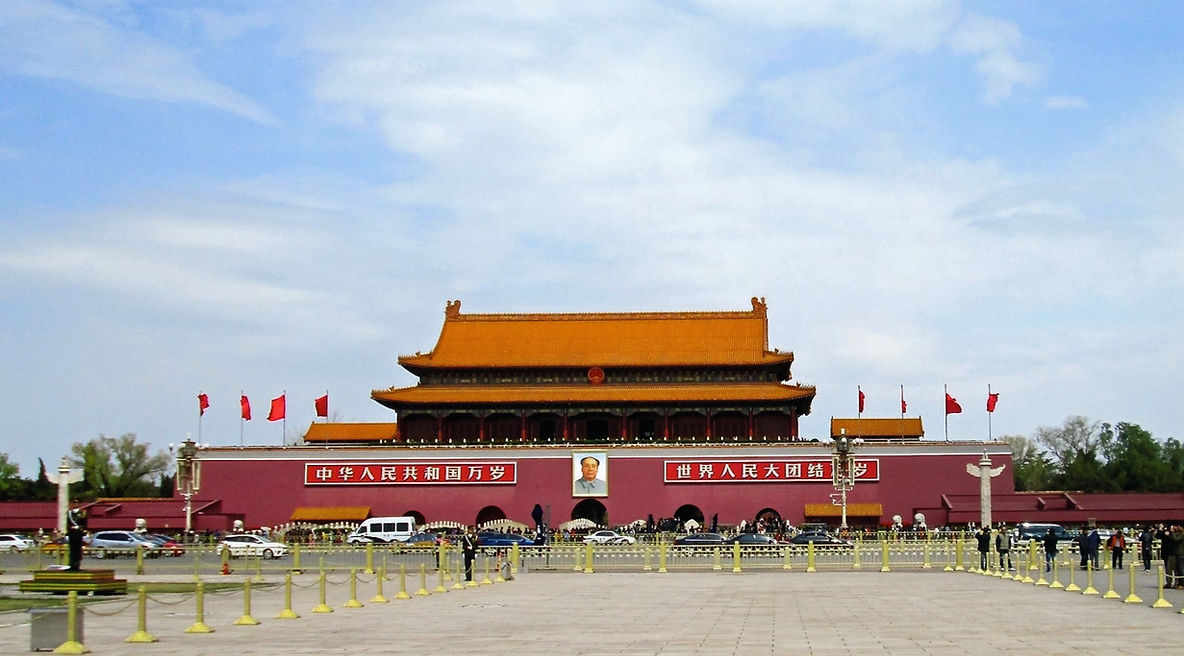
Tian’anmen Square
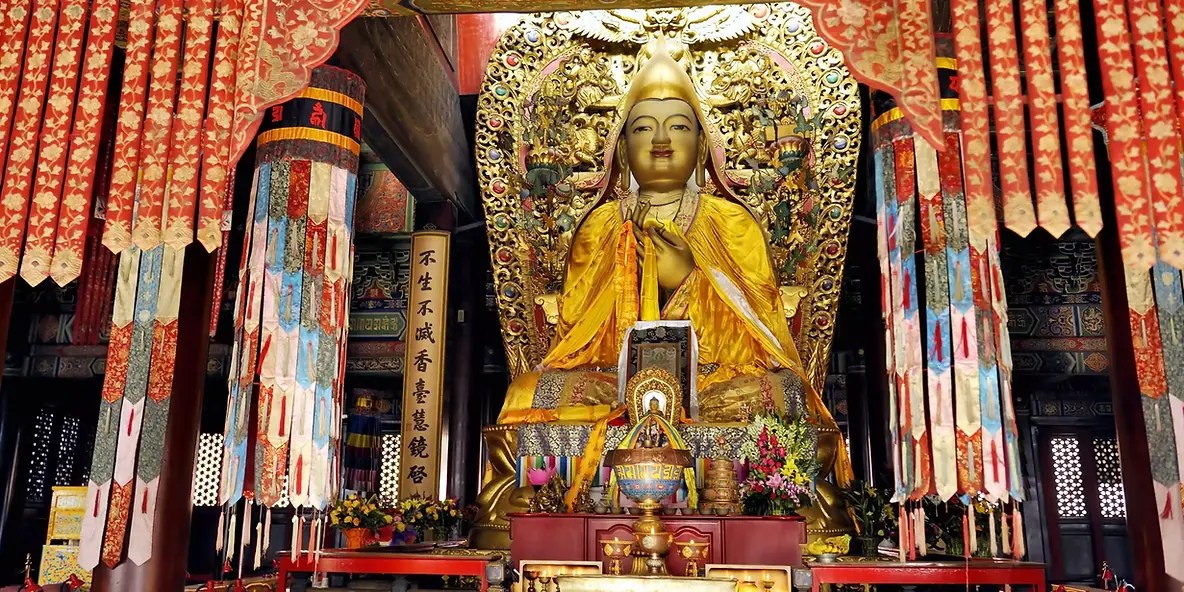
Lama Temple (Yong He Gong)
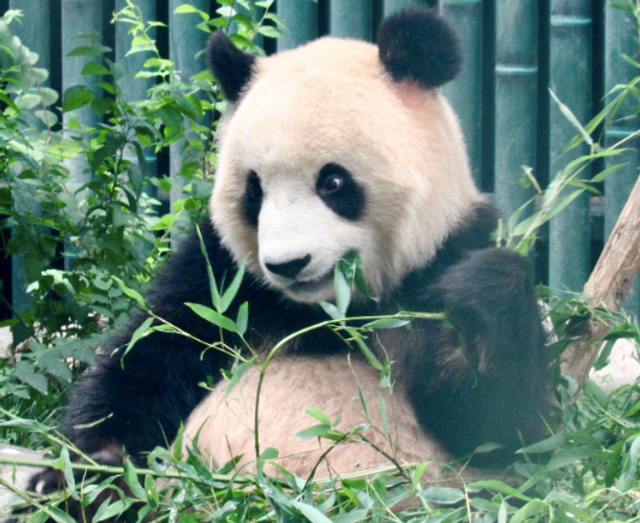
The Beijing Zoo
Highly recommended half-day trips outside of the city
If you have access to an automobile, or have enough spending money to rent a driver for a few hours, these historically significant sites are well worth your time.
Marco Polo Bridge (Lugou Qiao)
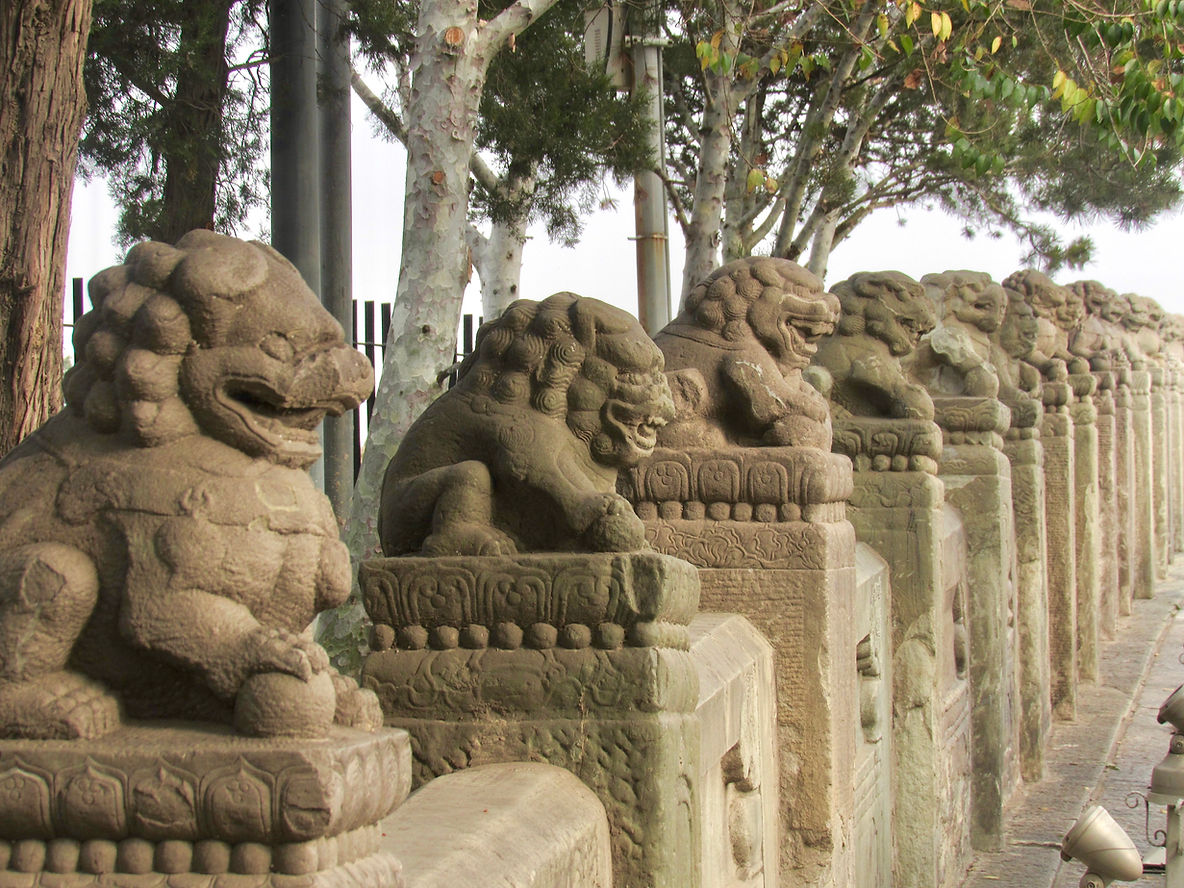
Anti-Japanese resistance museum and Wanping walled town
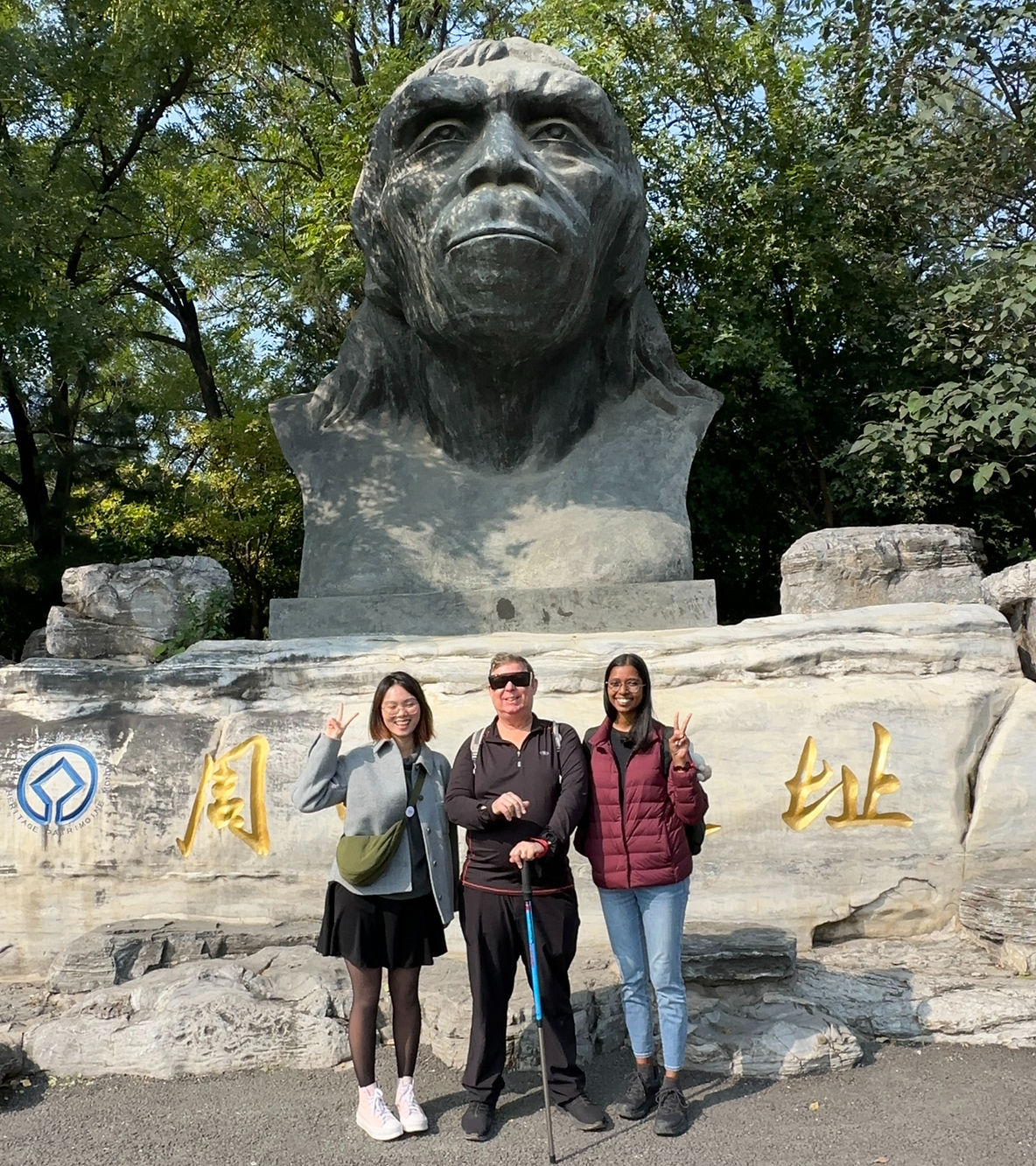
Zhoukoudian (Peking Man caves, park and museum)
Ming Tombs
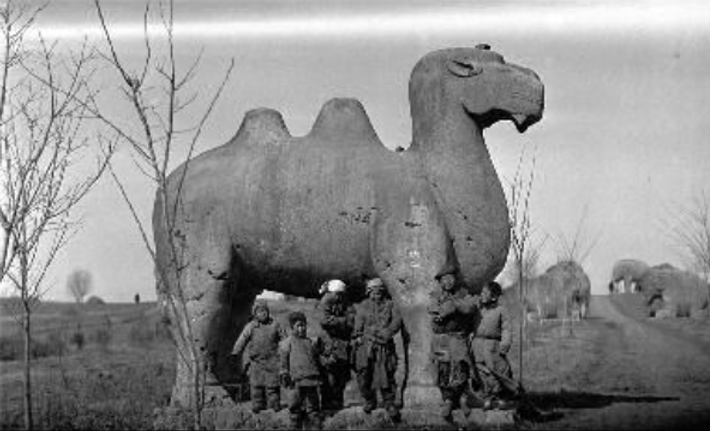
A historical photo of the Ming Tombs, circa 1950s.
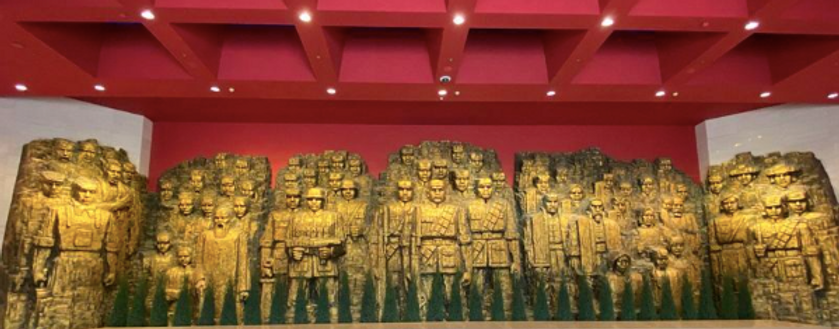
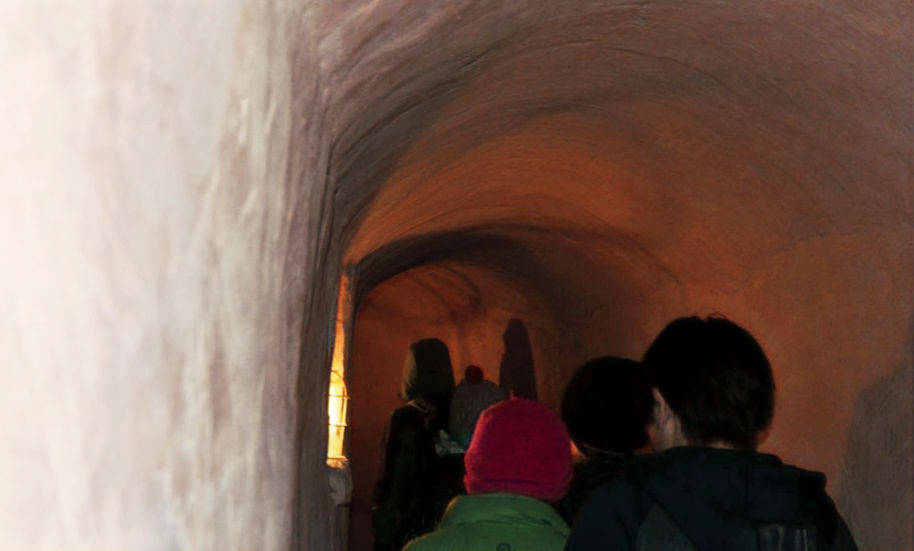
Jiaozhuanghu tunnels and exhibit
The Second Tier — but still first rate
Everyone has to make choices. These are all great options, if you have time to visit. Look at a map and try to cluster as many sites that are in the same general vicinity as possible. For example, you can visit Jingshan or Behai after a trip to the Forbidden City. Or combine the Bell and Drum Tower with a visit to Houhai for food, recreation or tourism.
The Bell Tower and Drum Tower
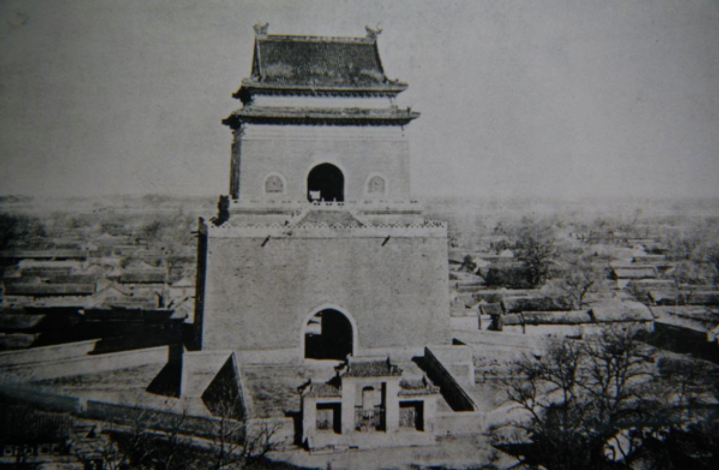
The Drum Tower between the fall of the Qing Dynasty and the Japanese invasion.
Jingshan (Coal Hill)
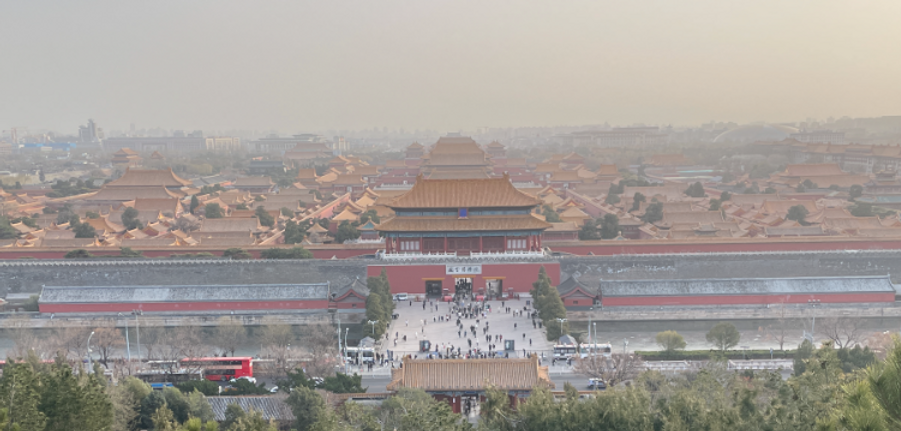
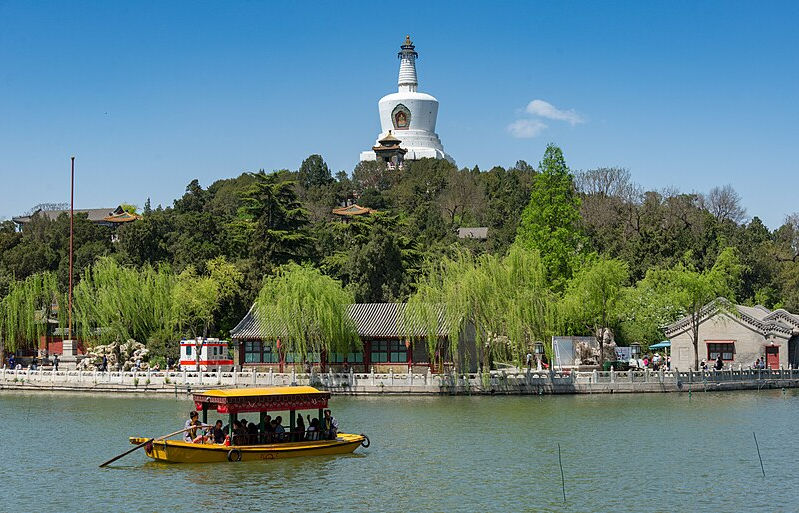
Beihai Park
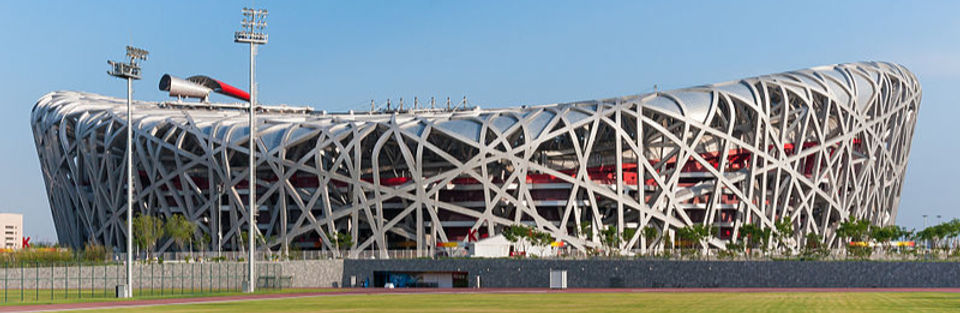
Olympic complex
Military Museum
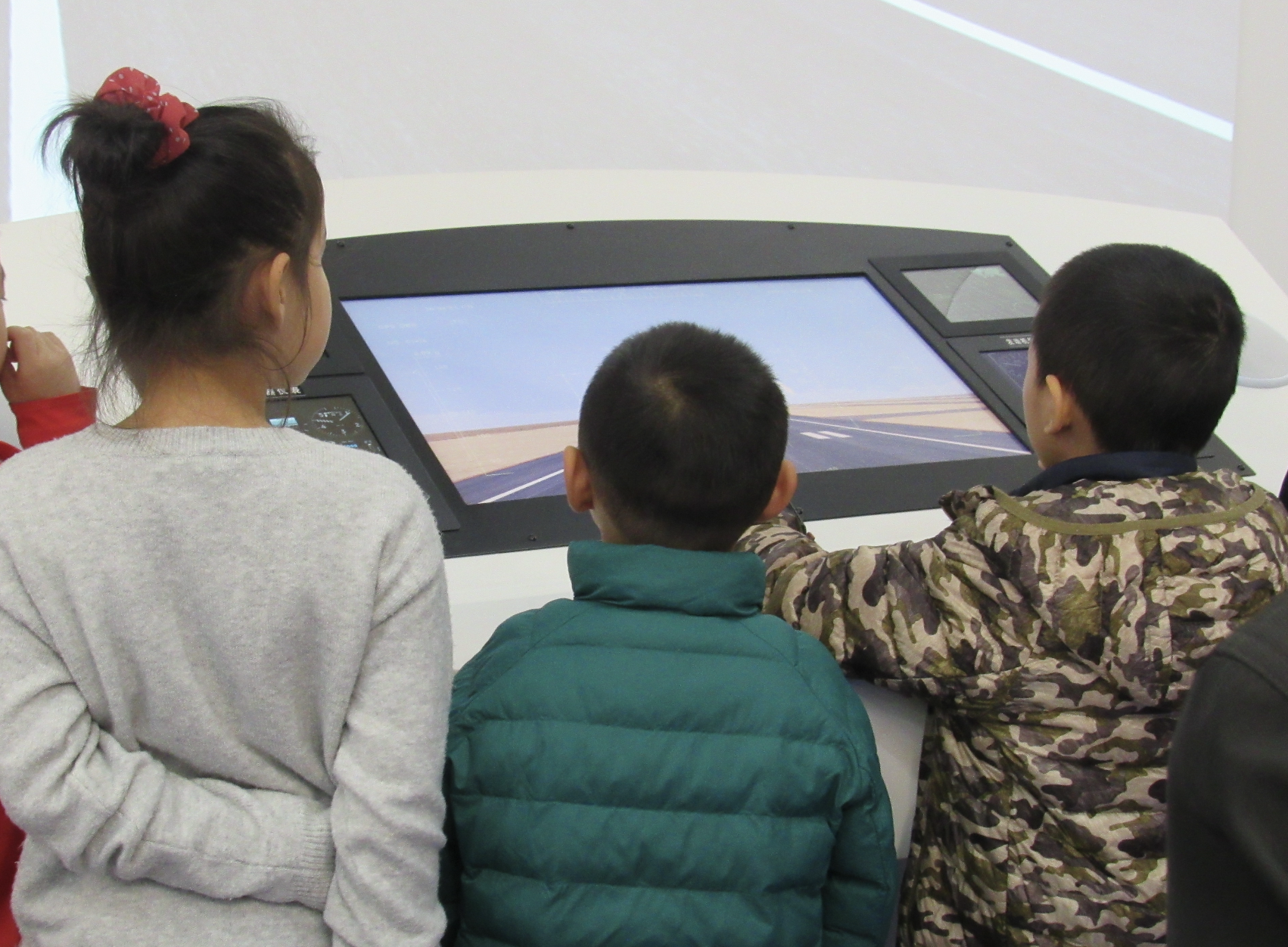
A young boy practices on a jet aircraft simulator at the Military Museum. (Photo by Rick Dunham)
Hidden Gems
These stops are not in many tour books. But they are all memorable.
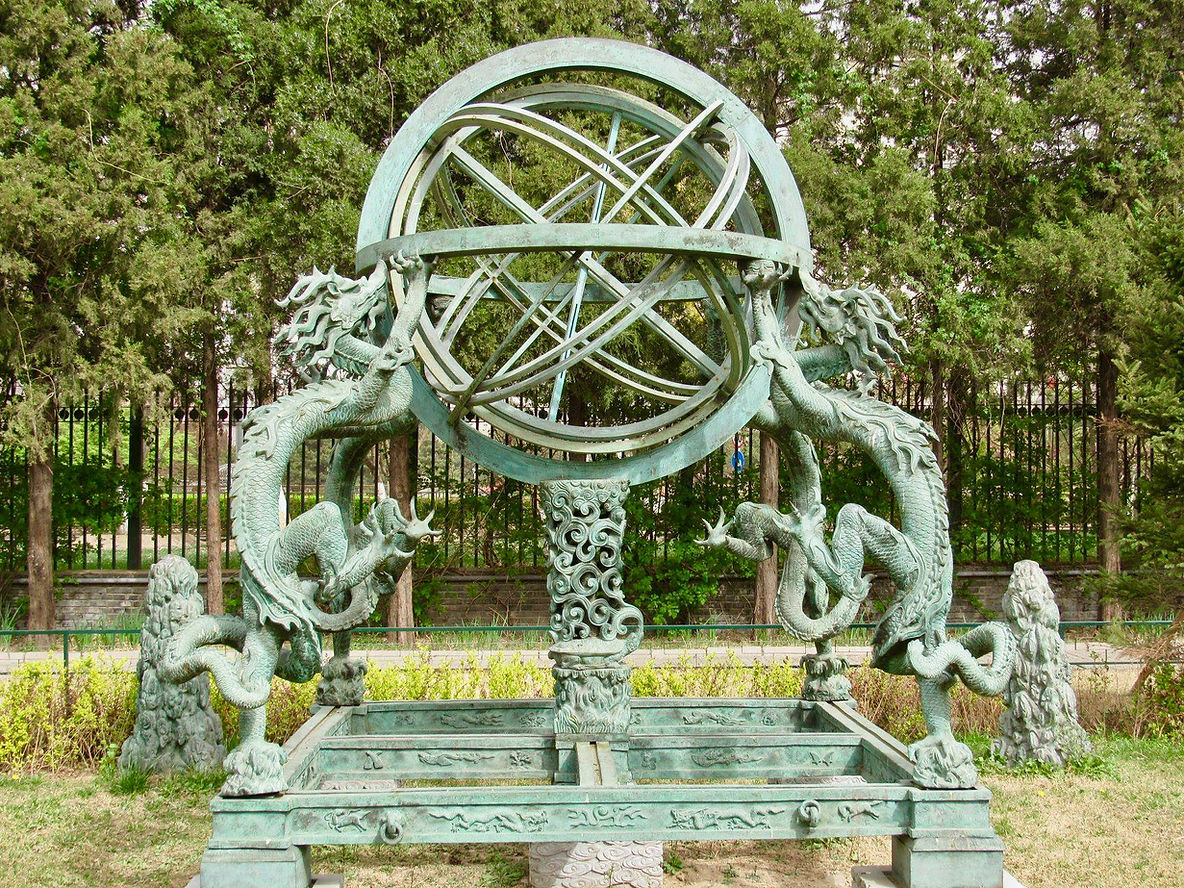
Beijing Ancient Observatory
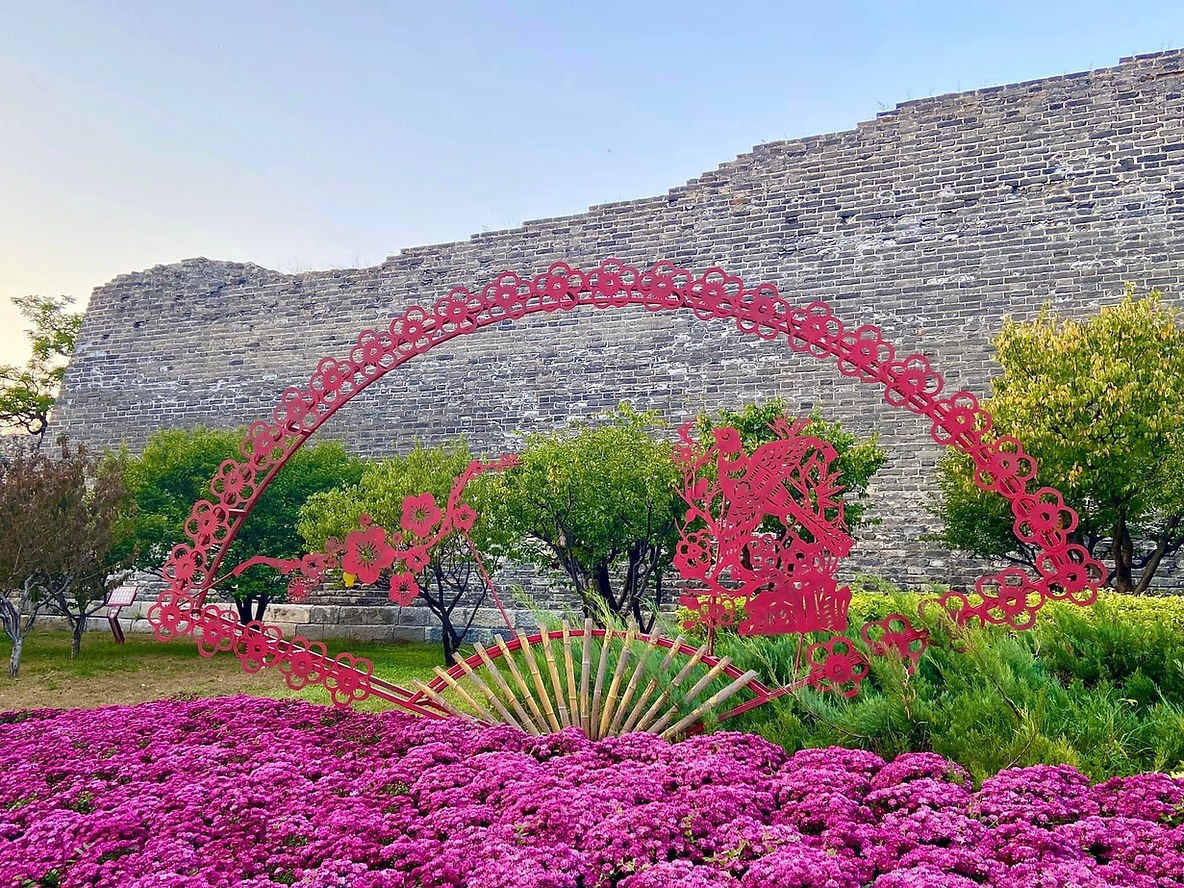
Beijing Ming City Wall Ruins Park
Confucius Temple
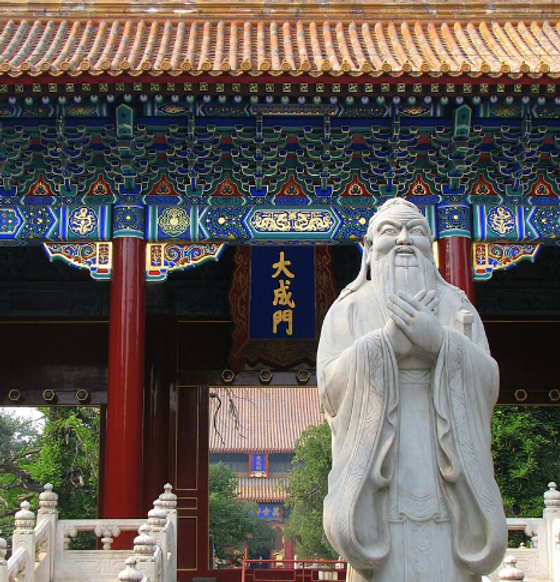
Photo by Rick Dunham
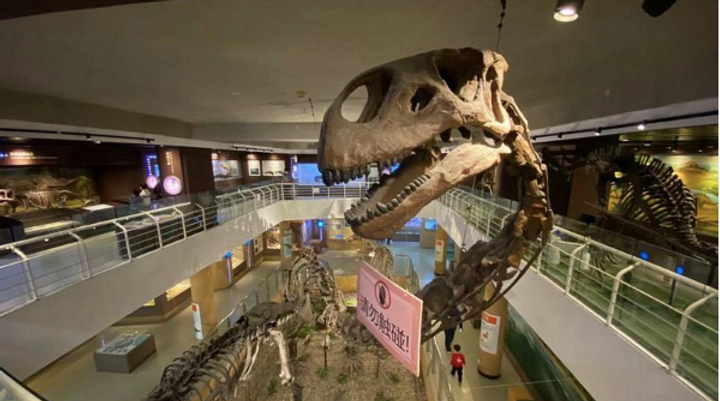
Paleozoological Museum of China
The universities: Tsinghua and Beida
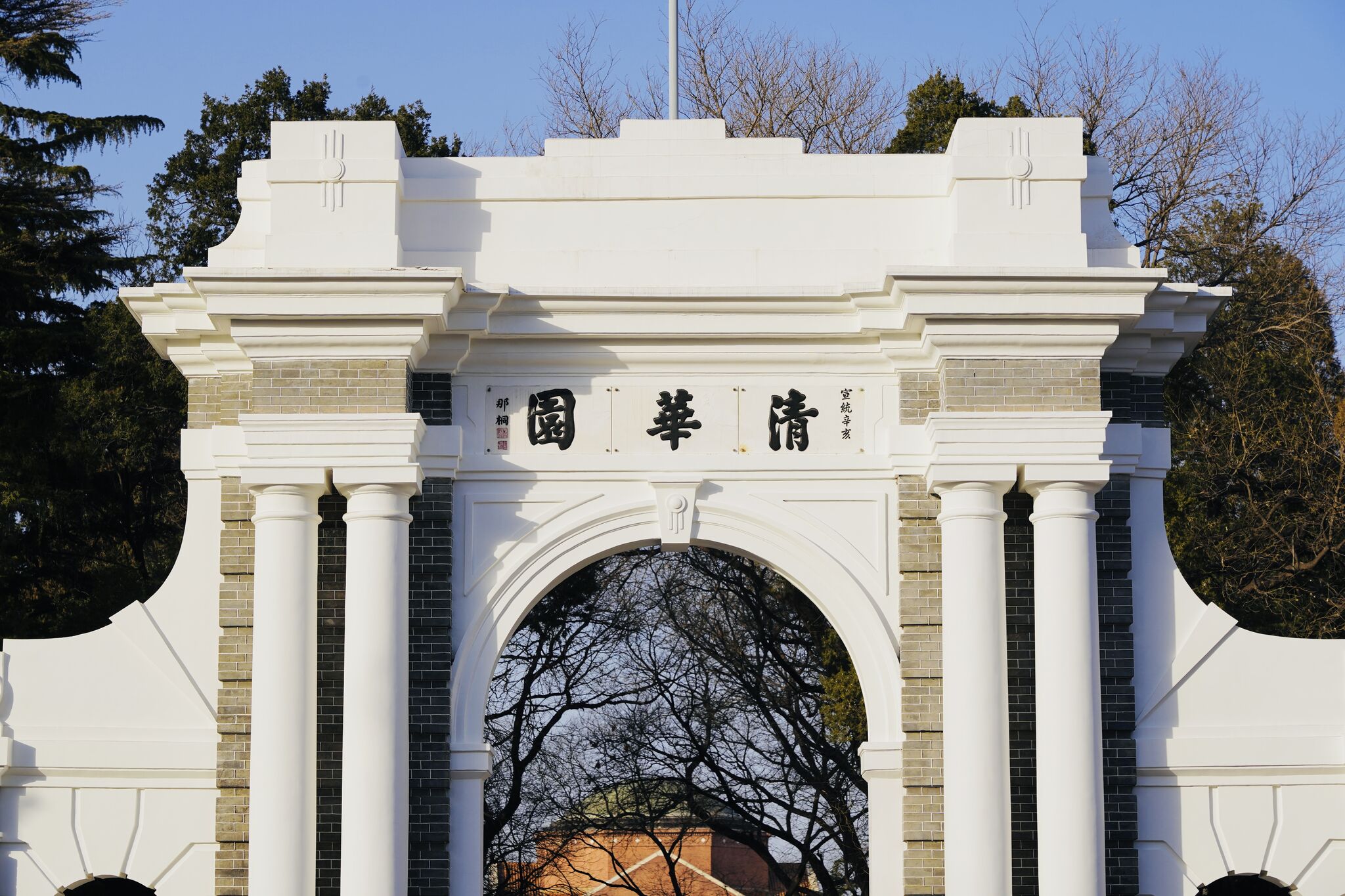
Photo by Rick Dunham
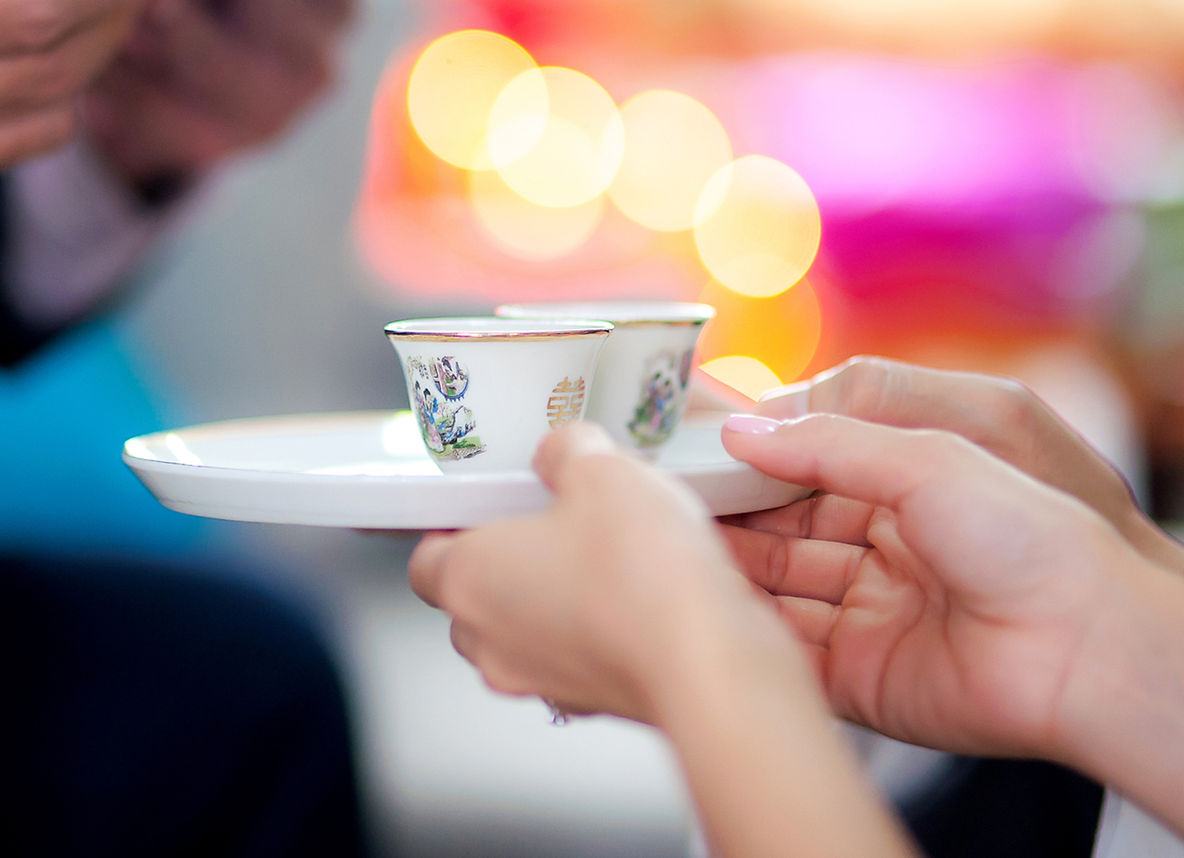
Tea tours
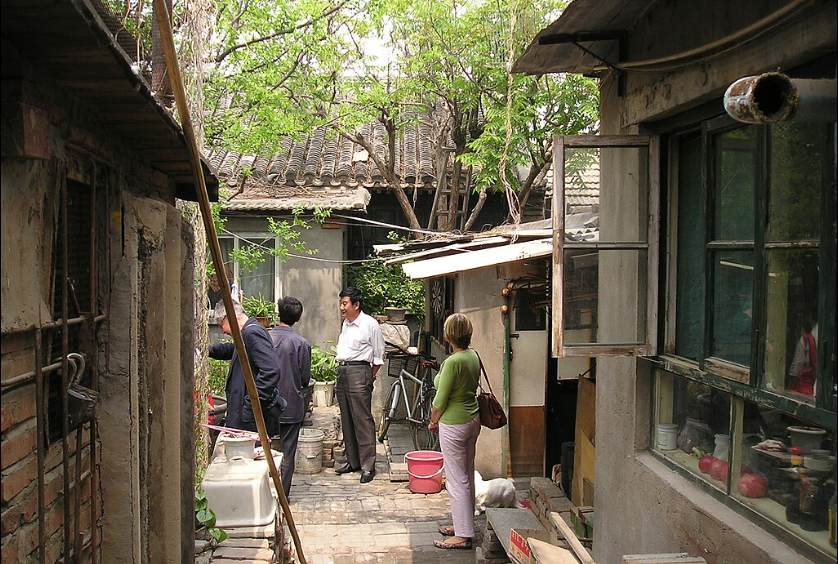
Hutong tours
New and Nice
Beijing has been on a museum building binge in recent years as the ruling Communist Party underscores Xi Jinping’s theme of “the great rejuvenation of the Chinese nation.” Among the results are some interesting new museums that showcase Chinese traditional culture, historical accomplishments and modern might.
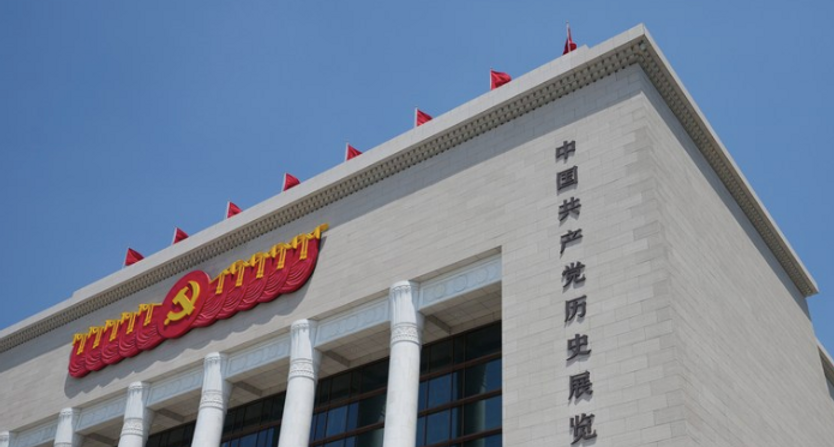
Museum of the Communist Party of China
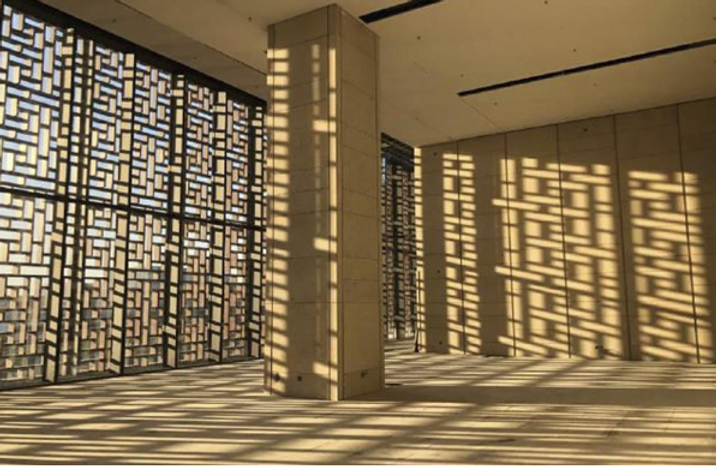
Chinese Traditional Culture Museum
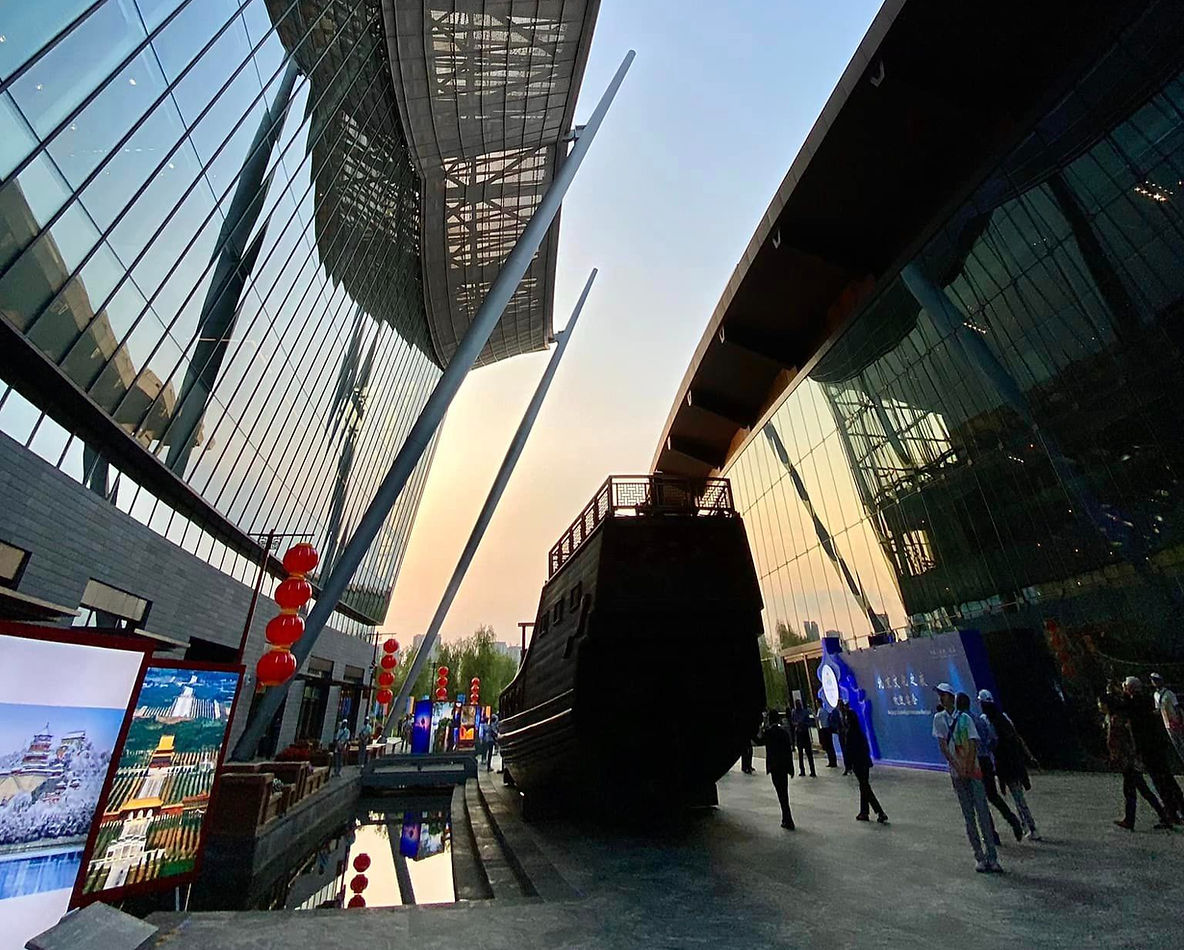
The Grand Canal Museum
Hiking and outdoor activities
Chinese families love to spend weekends outdoors. Older people spend much of their leisure time in the city’s plethora of parks. Young couples also stroll through the romantic and beautiful surroundings. Whatever your mood, there is a park for you. Whether you are seeking flowers, or a challenging hike, or 50 kinds of bamboo – you can find it somewhere in the Big City. Sometimes it’s free. Otherwise, the entry fee is inexpensive.
Purple Bamboo Park
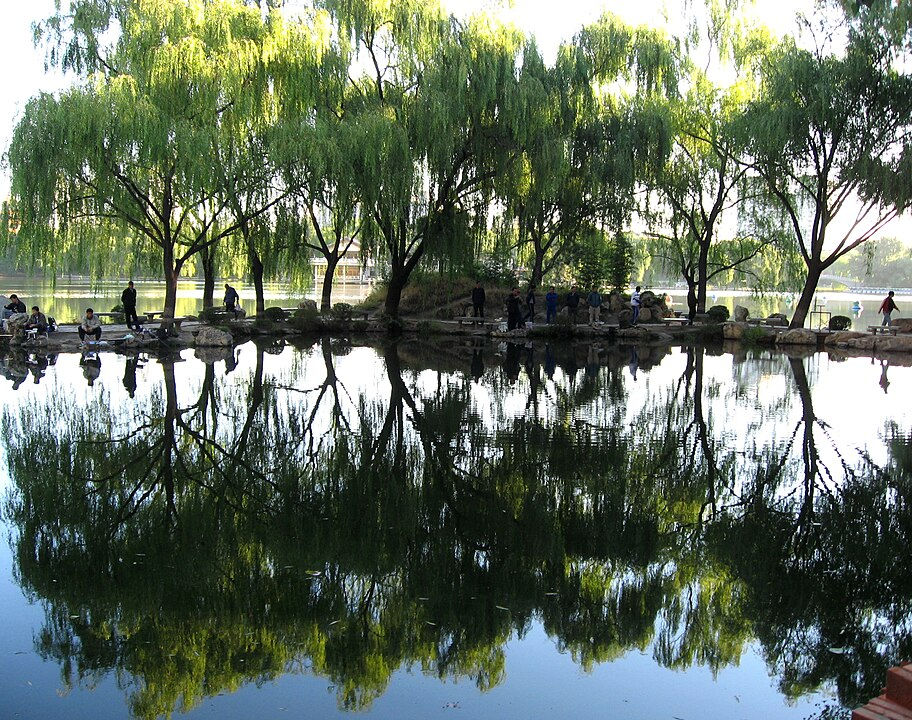
More than 50 varieties of bamboo are on view at Purple Bamboo Park, located near the zoo. The purple bamboo is the most famous, of course. The yellow duck boats are a favorite for visitors.
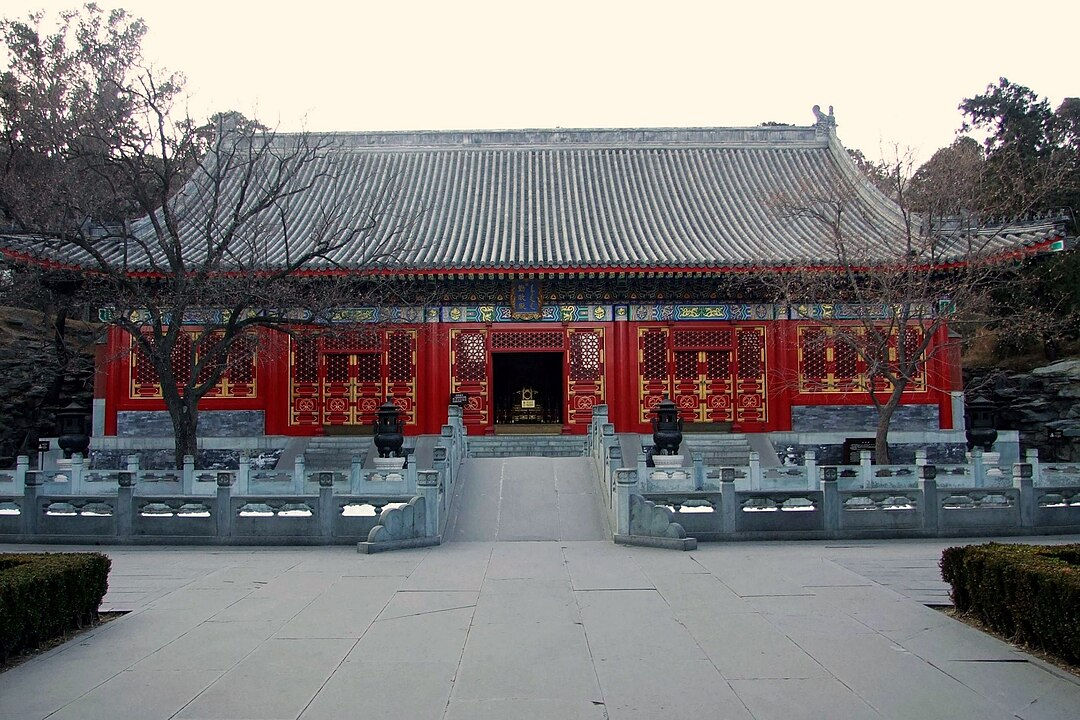
Fragrant Hills (Xiangshan)
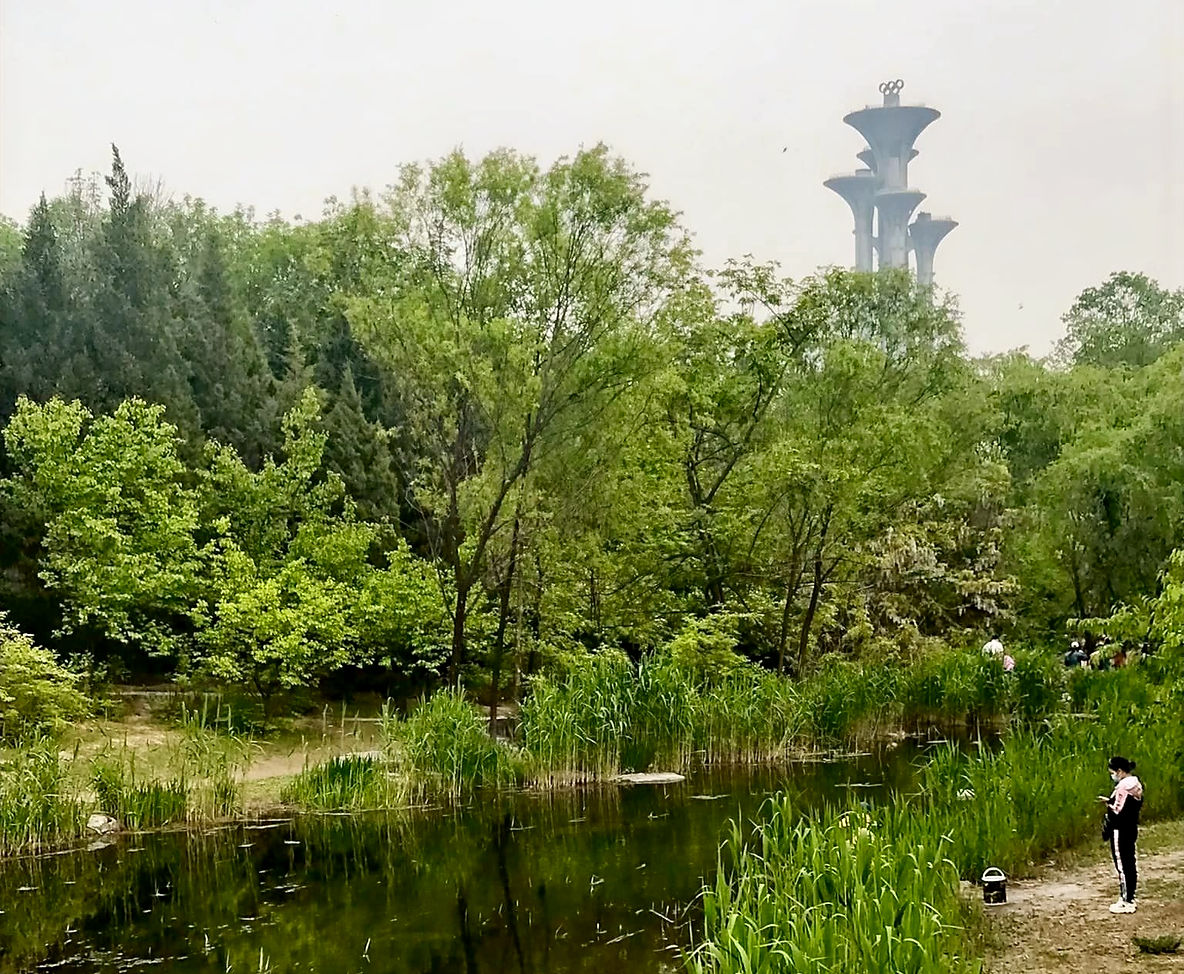
Olympic Forest Park
China National Botanical Garden
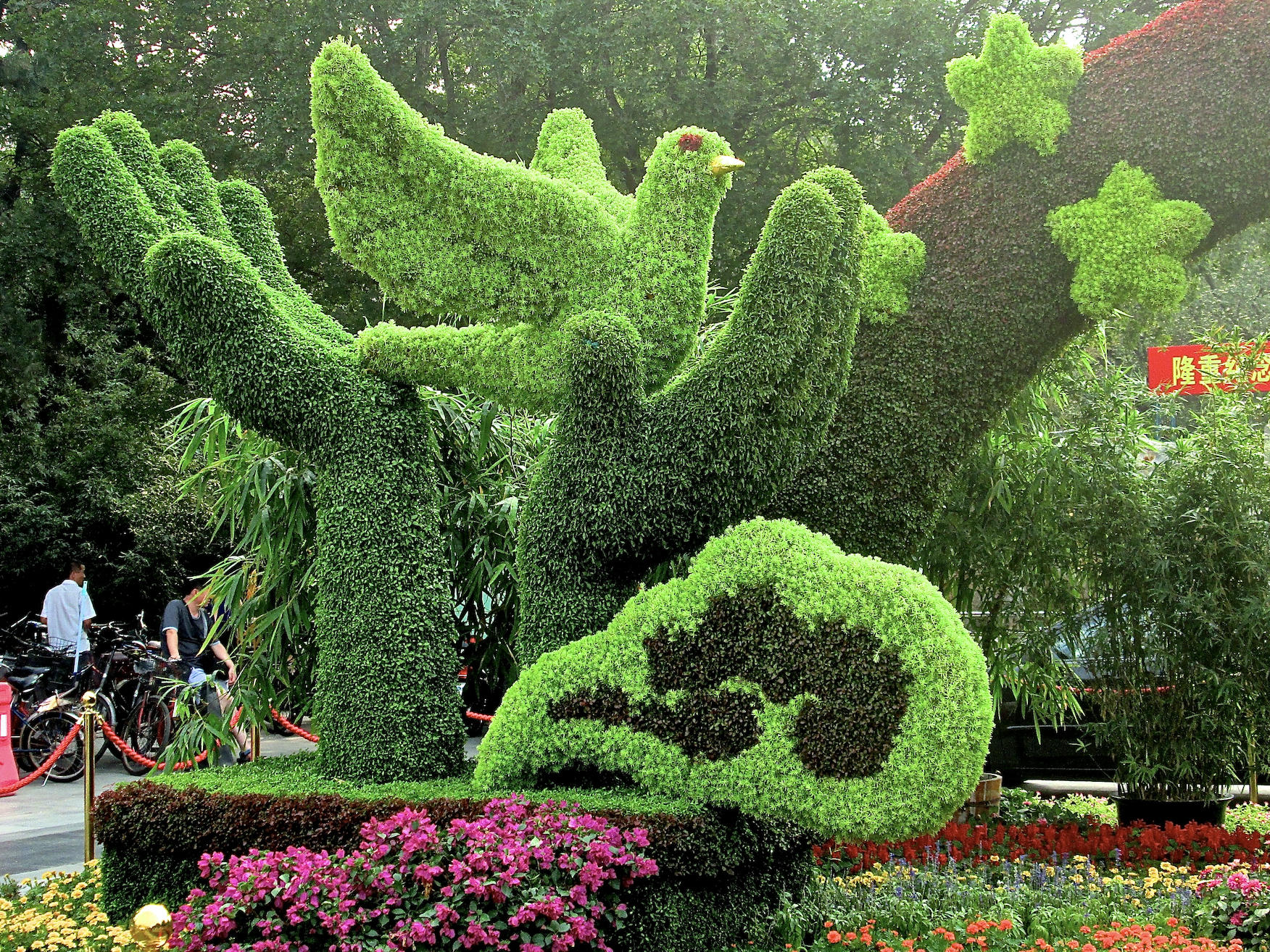
This massive park is known to many locals as the Beijing Botanical Garden. (Photo by Rick Dunham)
Ritan Park (Temple of the Sun)
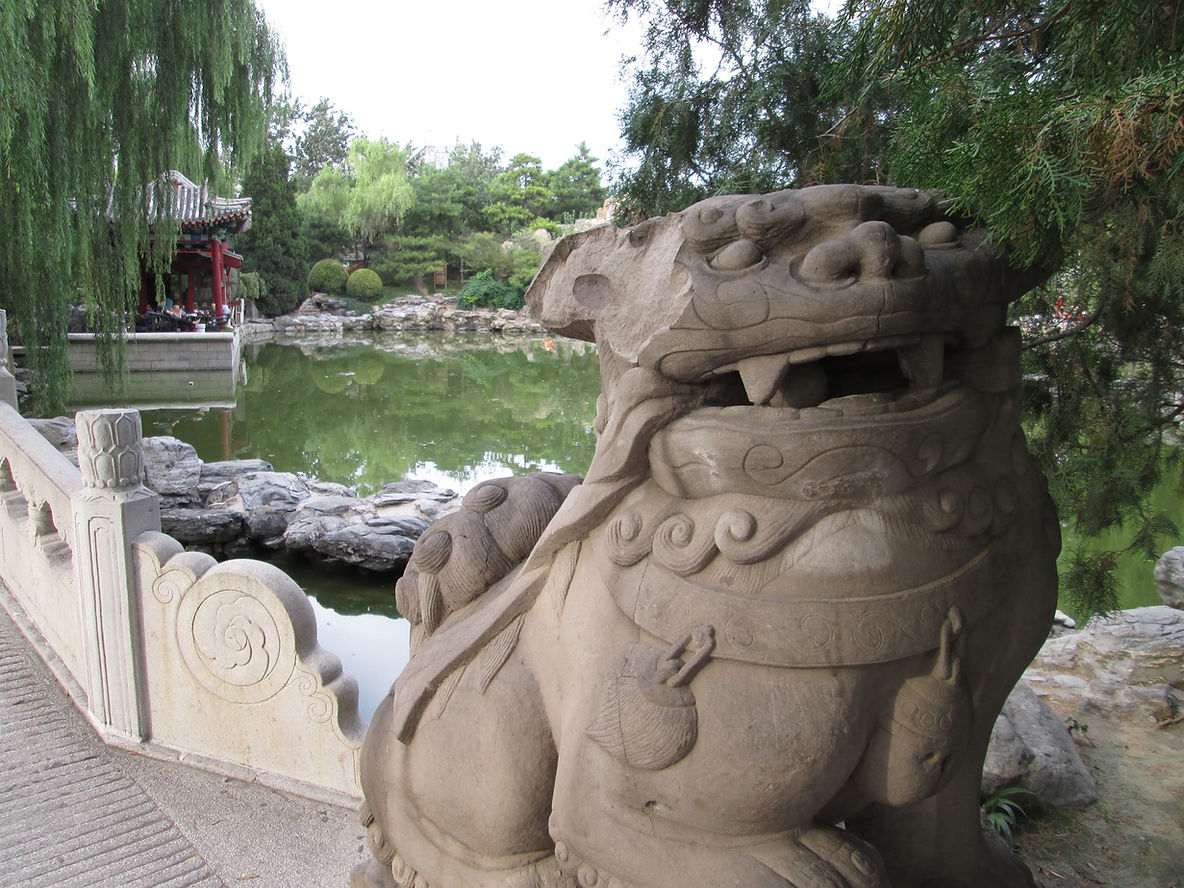
Popular with younger people
Several zones in Beijing are particularly popular among younger people for their combinations of culture, restaurants, art, entertainment, bars, diverse nightlife, and, yes, even some museums tucked away for further exploration. Many of them are near hutong neighborhoods, which add to their charm, though they can cause you confusion and minutes lost while looking for your destination.
Houhai
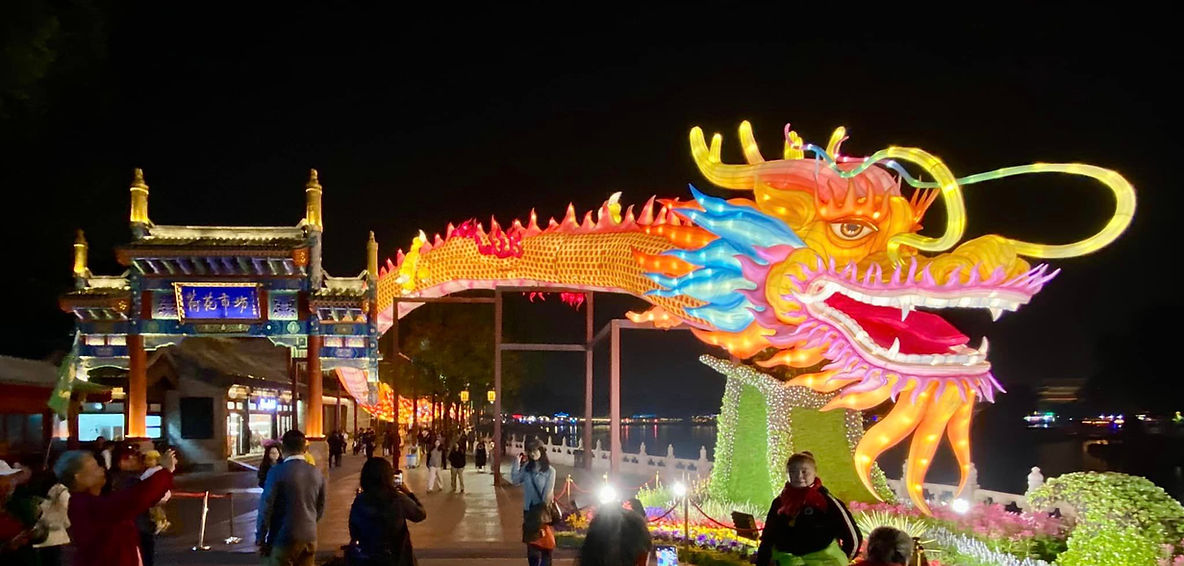
Sanlitun
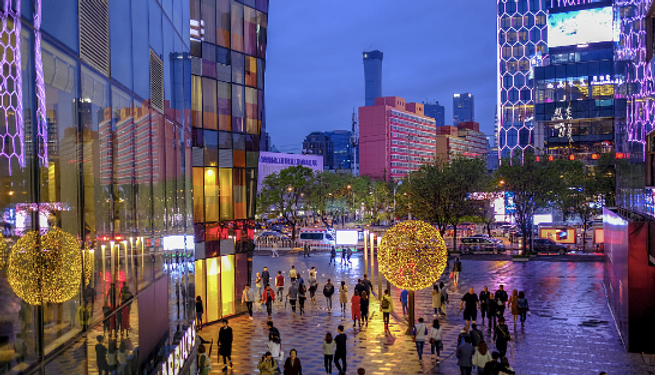
Sanlitun, with its alleys, hutongs and gleaming glass shopping malls, is the social center for young professionals, students and the diplomatic set.
Wudaokou
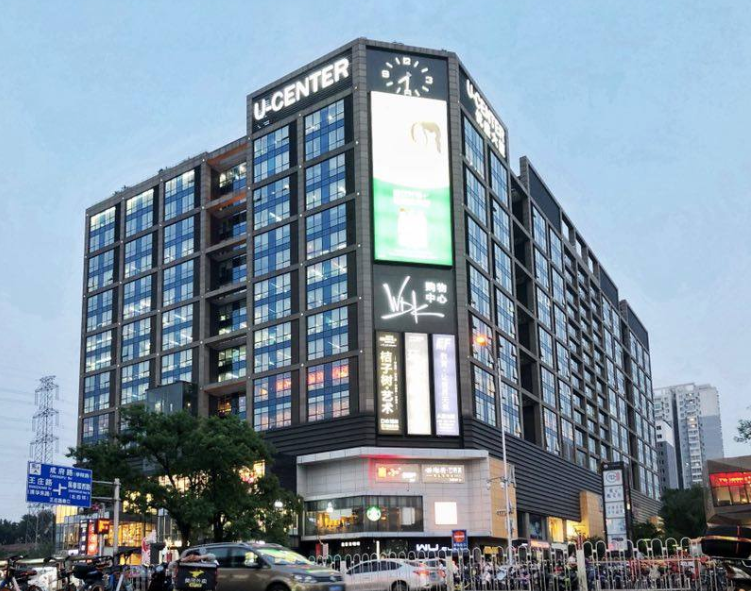
798 Art District (Dashanzi)
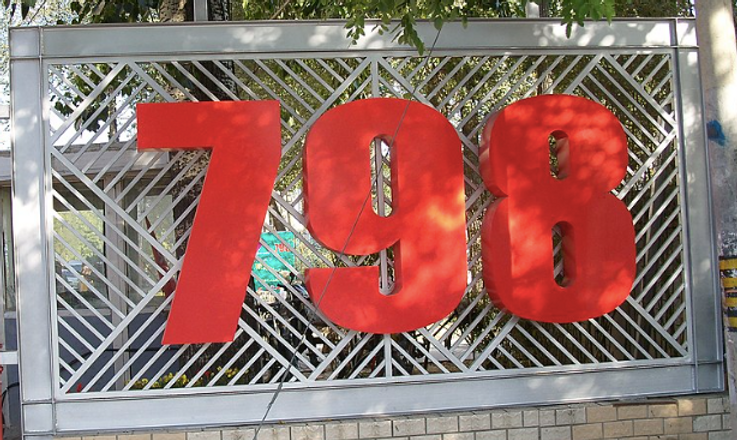
An old warehouse area has been transformed into the funky arts district. For a quarter-century, it is the closest thing Beijing has to a Bohemian quarter, with galleries, cafés and gathering spots for the intellectual set, both Chinese and expat.
Your top tourist attractions in Beijing?
Do you have any more tourist destinations you’d like to add to the list? Please post a comment and explain why you would add your favorite place to this compilation.
The role of a journalist in a time of pandemic and disinformation is to tell the hard truths
Posted: June 24, 2020 Filed under: Breaking news, Dunham's Discourses, Global Business Journalism | Tags: Africa, Asia, Barrows Dunham, Beijing, best practices, China, Chinese economy, commencement, coronavirus, COVID-19, disinformation, George Floyd, Global Business Journalism, global economy, Jemele Hill, Lincoln Steffens, misinformation, pandemic, truth, Tsinghua School of Journalism and Communication, Tsinghua University, United States 1 Comment
REMARKS BY RICK DUNHAM
GLOBAL BUSINESS JOURNALISM COMMENCEMENT
JUNE 21, 2020
大家好。Добрый день. خوش. Assalaam-o-Alaikum.
Congratulations to the graduating Class of 2020 for enduring the most unusual path to graduation since the global disruptions of the Second World War, or, for Chinese students, since the Cultural Revolution.
I have always been proud of your intelligence and hard work. But, over these past six months, I also have been awed by your grit, your determination and your adaptability.
The coronavirus pandemic has challenged our global institutions: healthcare, economic, governmental, and media. As journalists, we are not only witnesses to history but citizens living through dangerous times. At this perplexing and dangerous time for the world at large – and our media world in particular – it is important for you, the graduating class of 2020, to consider the role of a journalist in a confusing world.
During the pandemic, we’ve had to sort through misinformation, disinformation, stonewalling and cover-ups from people in power. Some governments have become increasingly resistant to transparency and, all too often, to truth itself. We’ve seen social media being used to sow chaos, confusion, hate and civil discord. Reporters in Africa and Asia have been imprisoned for pursuing the truth in defiance of official government lies. My fellow journalists in America have been deemed “enemies of the people” by an ahistorical president who says some of us should be executed for treason.
We are living in a world of parallel media worlds where indisputable truth is in dispute. “What happened?” during massive protests in Hong Kong? Your worldview varies depending on whether you watched Chinese state TV or the BBC. “What happened?” during massive protests in American cities after Minneapolis police killed George Floyd? Your worldview is completely different depending on whether you watched Fox News or almost any other news outlet in the world.
All this leads back to my question: What is the role of journalists in this world? Many people in power, from corporate executives to government officials, believe it is our job to write positive stories about them and to unquestioningly pass along whatever information they present to us.
But Jemele Hill, a prominent African American journalist and writer for the Atlantic, recently suggested a different role for the media. “Journalism is not a profession of being friends,” she said. “Journalism is a profession of agitation. That is what we’re charged to do: to hold everybody accountable, even the people who sign our checks.”
Global best practices are clear. We journalists don’t represent any particular political ideology, political party or nation – although each of us may have ideals, party membership and citizenships. We represent the people, the public, our readers, viewers and listeners. We represent the truth. We are the united nations of truth.
You are the best of global journalism. The Global Business Journalism program is uniquely positioned to improve journalism around the world and to continue improving global understanding of China’s economic role in the world.
At GBJ, we bridge cultural, economic and journalistic divides. We respect others, and their beliefs. We learn from others. We think globally and act locally. We speak truth always. We make the world of journalism and communication a better place.
Since its creation in 2007, the Global Business Journalism program has been the world leader in cross-cultural journalism education. Amid economic growth and economic tumult, China’s role in the global economy is deepening, and our Global Business Journalism graduates are uniquely situated to explain it – factually – to the world.
Every year, I like to conclude my commencement remarks with some words of wisdom from my favorite philosopher, my grandfather, Barrows Dunham. In 1961 he wrote an introduction to “The World of Lincoln Steffens,” a book of articles by America’s leading “muckraking” journalist of the 20th century.
Great journalism, as practiced by Steffens, provides “a hard ground lit by a cool, clear light: the seeing of things as things in fact are,” my grandfather wrote. “The seen reality may indeed be dangerous,” he continued, because so many people cling to “all the comforts of illusion.”
Journalists must shatter those comfortable illusions. “What we need,” Barrows Dunham wrote, “is integrity, intellectual honesty, the clear seeing of the real world.”
For you, the next generation of journalism leaders and global leaders, I wish you clear vision. It is up to you to use your intellectual honesty to make the world a better place after all the missteps of my generation.
谢谢, 大家。 Большое спасибо. Thank you.









Recent Comments