Business journalism’s 5 pillars of purpose: My take on economic reporting’s core principles
Posted: September 28, 2026 Filed under: AI, Dunham's Discourses, Global Business Journalism, Journalism Training, Media, Rick's Rules | Tags: AI, Artificial Intelligence, business journalism, ESG, Global Business Journalism, International Center for Journalists, Journalism Training, Linda Lew, Lise Olsen, Mark Hamrick, Media, News business, Sharon Moshavi, watchdogs, writing Leave a commentBy RICK DUNHAM
In a media world transformed by digital disruption, economic volatility and the never-ending news cycle, high-quality business journalism has never been more essential for citizens around the world — or more challenged by a convergence of economic and political forces. Amid social media misinformation, corporate spin, government pressure and declining trust in institutions, the mission of business news organizations has evolved to serve a public increasingly hungry for clarity, accountability and context.

While styles of business news coverage vary across platforms and countries, five core goals remain central to economic reporting in the modern era.
These five fundamental missions — informing the public, interpreting economic trends, holding power accountable, guiding decision-making and spotlighting broader economic shifts such as innovation and inequality — are the cornerstones of meaningful, responsible business journalism. Let’s take a look at each of them.
1. Informing the public: Gleaning clarity from complexity
At its heart, business journalism exists to inform. It demystifies complex economic developments, financial markets, and corporate affairs for a broad audience. From interest rate hikes to stock market volatility, from GDP reports to global supply chain disruptions, the goal is to translate jargon into accessible language without sacrificing nuance.
“Business journalism has always been important but never has it been more important than right now,” Mark Hamrick, founder of the Hamrick Brief, told Global Business Journalism students. “This obviously is a remarkable time in human history — the rate of change is remarkable. The ability to tell a story well is one of the most important skill sets we have.”
Good business coverage doesn’t just report the what — it explains the why and the how, helping readers understand how distant decisions by central banks, tech CEOs, or energy producers can affect household budgets or career prospects.
2. Interpreting trends: Context beyond the headlines
Modern business journalists are not merely stenographers of the day’s earnings calls or labor reports. They are interpreters — placing economic and corporate events in a broader context. Why does a stronger dollar matter? What does a jobs report signal about inflation? How does a tech company’s quarterly performance hint at shifting consumer habits?
“Every news story needs a paragraph on the significance or context of the news and business news is no different,” noted Jeffrey Timmermans, a longtime Wall Street Journal reporter now working at the Reynolds Center for Business Journalism. “Each business story should explain why the news matters to the reader.”
Interpretation has become even more critical in an era where data is abundant but understanding is scarce. Long-form explainers, data journalism, podcasts, and interactive graphics have become key tools for business reporters helping audiences grasp long-term trends — from climate finance to the future of AI.

3. Holding power to account: Watchdogs in the boardrooms and beyond
Perhaps the most vital and difficult of business journalism’s missions is accountability reporting. This includes exposing fraud, investigating regulatory failures, scrutinizing executive behavior and tracing the flow of money and influence in both the public and private sectors.
Whether covering the fall of FTX and Sam Bankman-Fried, probing the causes of the 2008 financial crisis or revealing how fossil fuel corporations shaped perceptions of climate change in much of the world, investigative business reporting plays a key role in serving the public interest.
“Customers, investors, pensioners, employees and taxpayers all have been harmed in recent years by a reckless disregard at the highest levels of companies,” Gretchen Morgenson, a Pulitzer Prize-winning financial journalist, told a Wharton School leadership conference. “If the people who have created these disasters and profited from them are allowed to slink off into the night, then I think we will be confirming the suspicion that the paths of the powerful are protected, and that the little guy is left to fend for himself.”
In the wake of growing public anger over wealth inequality and the power of transnational global corporations, the watchdog role of business journalism is ethically important — and it is increasingly expected by audiences, even in countries with some limits on press freedom.
4. Guiding decisions: Practical tools for spending, work and wealth
Another core mission of business journalism is helping individuals and institutions make informed choices — whether about investments, careers, consumption or business strategies.
This service-oriented aspect has grown in popularity and sophistication, with media brands like Bloomberg, CNBC, Morning Brew, and The Wall Street Journal offering targeted newsletters, personal finance columns, real-time market updates, and deep industry analysis.
In short, business news has become more personal. Increasingly, it’s not just about what Apple or Tesla did — but about what you should do next. That could be consumer decisions, investment choices or retirement options.
“People read our words, based on which they shape their own opinions and make decisions,” Colin Pope, editor of Austin Business Journal, told students in the Global Business Journalism program’s Business News Reporting and Editing course.
Not every economic journalist is up to the challenge of simplifying the numbers and explaining complex data. The 2025 Barnum Financial Group “Study of Americans in the Workplace“ found that 39% of respondents felt intimidated by financial complexities, contributing to “a population struggling to access and understand the financial resources they need” to make economic decisions.
The clearer business journalists can be in their data analysis and reporting, the more confident their audience can be in decision-making.
Morgenson, now a senior reporter for NBC News Investigations, says her aim as a reporter is to “simplify complex financial dealings so all readers can understand them. Although I am thrilled to have received an array of journalism awards over my career, the most rewarding aspect of my work is helping readers cut through financial fog and protect themselves and their families.”
5. Telling the broader economic story: Innovation and inequality
Today’s business journalism must also capture the complex forces shaping the 21st-century economy: rapid innovation, increasing inequality, and the battles over globalism and global economic dominance.
From covering the rise of artificial intelligence and green energy startups to exploring the gig economy, inconsistencies in labor rights from nation to nation, and the gender pay chasm in some countries, business journalists are storytellers of transformations and of stubborn traditions.
More often than not, those stories are not simply “bottom line” business stories but are societal narratives that often touch on local and national politics, social justice concerns, minority rights, women’s rights and environmental policy.
“Journalists are needed more than ever to bear witness to history,” Linda Lew, a reporter for Bloomberg News in Hong Kong, told Global Business Journalism program students.
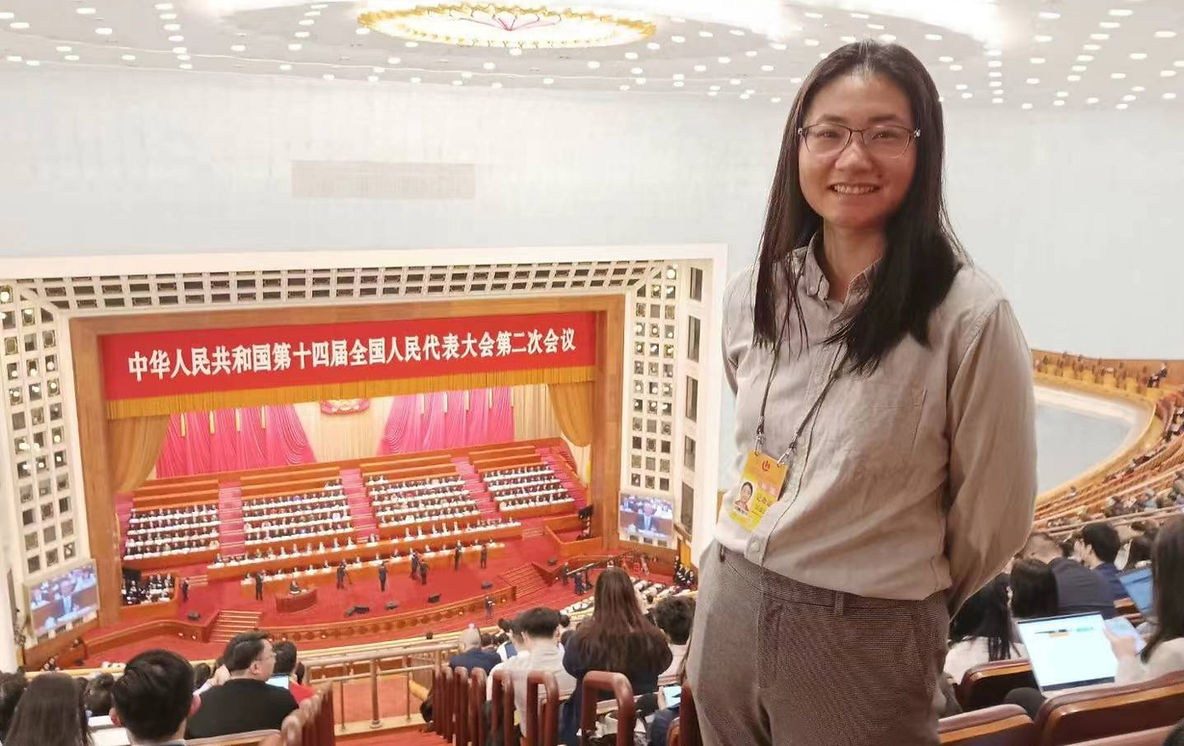
This increased coverage of economic justice issues means that ESG (an acronym for Environmental, Social and Governance) investing issues, and diversity in corporate leadership, are no longer niche coverage areas. They are central to understanding the modern economy — and to building trust with younger, values-driven audiences. Coverage of the rise of far-right populism from the Americas to Europe requires skill in both economic and political analysis.
What’s more, in the midst of today’s rapid innovation, business reporters must be prepared to cover the industries of the future, from green technologies to artificial intelligence. Beat coverage can range from profiles to narratives, corporate profit deep dives to investigative pieces about venture capital fundraising attempts.
Reporters covering these emerging industries (and markets) must be able to explain — in simple language — what the technology is and what its impact will be on the lives of people around the world. They also will be called on to cover the business end of companies in a boom-and-bust world that sees spectacular successes, meteoric flameouts and a few criminal prosecutions. All of which are exciting — and challenging — for the reporters covering the story.

The future: Business journalism in the digital age
As the digital economy has expanded, so too has the media ecosystem covering it. Traditional print and television outlets now compete with newsletters, TikTok explainers, YouTube analysts, Substack authors, and especially influencers with strong opinions about crypto or real estate. To demonstrate the power of the influencer culture: More Americans got news about the 2024 presidential election on TikTok from influencers and celebrities than from traditional news organizations’ video feeds, according to Pew Research Center findings.

Yet even amid information overload and the cacophony of facts, opinions and rumors, professional business journalism remains distinct. It is evidence-based, ethically grounded, and committed to transparency.
“There may not be a single truth, but a fact is still a fact,” said Sharon Moshavi, president of the International Center for Journalists. “Everyone is entitled to their opinion, and there is no such thing as absolute and ultimate truth. But a phone is a phone. My AirPods are AirPods … And I think only then are we going to get to that world I like where facts reign.”
Truth is not journalism’s only challenge. Revenue models are shifting. Audiences for traditional media are rapidly shrinking. Misinformation spreads quickly. Reporters face pressure to produce more with fewer resources. And AI tools are transforming how news is gathered and delivered.
Still, the mission endures.
“I’m always looking for something that is hidden, something people don’t want other people to know,” said Lise Olsen, Houston-based investigative reporter focusing on crime, corruption, workers’ safety and human rights, during a lecture to Global Business Journalism students.
This report first appeared on the Global Business Journalism program website.
Ten tips for online teaching during the coronavirus pandemic
Posted: March 12, 2020 Filed under: Breaking news, Dunham's Discourses, Global Business Journalism, Journalism Training, Top Ten | Tags: Adobe Captivate Prime, Amherst College, Articulate Storyline, Biddy Martin, China, Docebo, ezTalks Webinar, Fastmeeting, GBJ, Global Business Journalism, ICFJ, IJNet, International Center for Journalists, Internet, Lisa Waananen Jones, Moodle, Multimedia Reporting, online education, PowerPoint, remote learning, SAP Litmos, Skillshare, Springer, techradar.com, Tsinghua School of Journalism and Communication, Tsinghua University, Udemy, United States, WizIQ, Zoom 2 Comments
My first online class. Out of a crisis came an opportunity to experiment and innovate.
In late January, when most people around the world viewed the coronavirus as a remote medical crisis afflicting residents of China, I knew better. As a veteran journalist now teaching at China’s top university, I could see that the epidemic was likely, slowly but surely, to become a global pandemic. With no cure, rapid spread in new “hot zones,” and limited information available to the public, I realized that my professional and personal life was going to be changed significantly.
As co-director of Global Business Journalism, a master’s degree program created by the International Center for Journalists and Tsinghua University in Beijing, I knew that we would need to plan to conduct our spring semester “virtually” through an online platform rather than in the classroom in China. Like almost all of our international students, I was outside of China and unable to return to the locked-down campus.
For my program, this crisis became an opportunity, and Global Business Journalism began its spring semester on schedule and with all students in attendance via the Zoom online platform. Now that the coronavirus is understood to be a global threat, more than 100 American universities and hundreds of others around the world switched from in-person to online classes in the first two weeks of March alone.
This unanticipated disruption need not be a burden, if you are adaptable and innovative. “Online education is an opportunity to make coursework more customized and flexible,” writes journalist and educator Lisa Waananen Jones.
Here are 10 tips to make an online learning experience more rewarding:
- Pick the right learning platform
Your online learning site must be able to handle the number of people in your classes or meetings. You need to consider whether your budget can afford a “premium” plan or whether you are willing to accept the limitations of free sites (usually capping the number or participants or limiting the time of your sessions). Different sites offer various features, including images of each participant, chat capabilities (for the full group or individual members), and group meetings taking place at the same time inside of the class session. In addition to Zoom, other platforms recommended by techradar.com include Docebo, Udemy, Skillshare, WizIQ, Adobe Captivate Prime and SAP Litmos. Other choices with free options include Moodle, ezTalks Webinar, Fastmeeting and Articulate Storyline. Some platforms are offering discounts to schools and nonprofit organizations.
- Beta test your platform
As I was working with my Tsinghua School of Journalism and Communication colleagues to set up our virtual classrooms, the Iowa Democratic caucuses demonstrated to the world the risks of adopting new technologies without sufficient beta testing. The failure of the Iowa vote-counting app, which was not rigorously tested, was a massive embarrassment. I realized that failure was not an option for me. We moved quickly with small-scale beta testing of several platforms and chose Zoom. We followed up with a beta test of five staff members and then our first-year graduate students. Each was successful. We were ready for our official launch – all within a week.
- Focus on your community
If you don’t already have a social media chat group for your class, create one. (My Tsinghua class uses WeChat, but WhatsApp, Facebook and other platforms can work for you.) I interact with my students far more often than when we were on campus together, answering quick questions and offering tips and suggestions. As you focus on your community, it also is important to tailor your lecture content the new communication medium you are using. Don’t just transfer your lecture notes or PowerPoint presentations to an online format. You need to communicate differently than in class. There is no natural interaction of professors and students. Students online don’t raise their hands or give you a non-verbal clue that they’d like to participate in a discussion. You will need to invite people into the classroom give-and-take and make them feel welcome. You can build student feedback into your lectures through simultaneous social media chats or online surveys.
- Think visually
Yes, I advise journalists to “think visually” in my new Multimedia Reporting textbook (Springer, 2019). But it is important to think visually as an online professor, too. The most boring way to teach is to be a talking head. I started with my virtual classroom set. As the son of a scenic designer for Broadway and opera, I created a backdrop for my lectures. A pair of life-sized terra-cotta warriors that I shipped home from Xi’an frames the shot of me in my makeshift home studio. On a more substantive note, I try to vary the images on the screen at any one time, whether still shots or videos. I have scrolled through best-practices examples on my screen and even conducted live searches of online databases to illustrate points I am trying to make. Of course, there’s always a risk that one of your visual exercises could go awry, but that’s part of the excitement of live TV.
- Lower expectations
Inevitably, something will go wrong in real time: The streaming video, someone’s audio, someone’s internet connection, the live chats, the advanced functions on your platform. Patience is important. As long as your students understand that this virtual classroom might not be perfect, everyone will be a bit less anxious if they experience an “oops” moment.
- Get plenty of rest
Teaching online takes more energy than teaching in the classroom. It’s like being on live television. Try to get a good night’s sleep before each performance. (And always have a cup of water, tea or coffee nearby.)
- Be forgiving of your students’ complications
My remote-teaching experience is unusual. My students span 22 time zones. My class begins at 9 a.m. on the east coast of the United States. For my students, that means 10 p.m. in Japan and Korea, 9 p.m. in China, 5 p.m. in Oman, 3 p.m. in South Africa, 2 p.m. in Europe, and 6 a.m. in Vancouver and Los Angeles. Some students, cloistered in their parents’ homes, have to whisper so they don’t awaken slumbering relatives. I have allowed some students to present “oral” reports through the group chat function. Remember: It’s not the students’ fault that our spring semester has become so complicated.
- Give your students individual attention
It’s important to build or maintain relationships with everyone in your class. That becomes particularly important when you cannot engage in the basic social interactions of a classroom setting. Instead of having my regular weekly office hours, I feature “virtual office hours” at times arranged with each student. Because some students are shy, I have reached out to schedule meetings in advance of major assignments. I leave a few minutes after every lecture for students who want to hang around in the virtual classroom and ask me any questions on their minds. I also respond to social media messages or email from my students within the day (or sooner, if practical). I believe it’s important to show students that you care about their learning experience and their progress.
- Remain physically active
Over the first few weeks of my online teaching experience, I found that I sometimes felt lonely or irritable. I was accustomed to the give-and-take with students, and the social camaraderie of my office. To overcome a sense of isolation, I make sure to exercise regularly. My colleagues and students in China have developed much more creative coping mechanisms during their weeks in quarantine. Those of us free to move around in our hometowns must act responsibly, but we don’t want to cloister ourselves and live in a world of irrational fear.
- Rely on your teaching assistant or office staff
Teaching remotely requires more work than teaching in the classroom. It requires more coordination, communication and logistical planning than normal courses. It is vital that you empower your teaching assistant or office staff to remind students of upcoming assignments, guest lectures and schedule changes. And remember to say “thank you” to the staff that helps you.
None of us is in this alone. Amherst College President Biddy Martin was speaking for me when she informed her students and staff on March 9 of a temporary shift to online education.
“It will be hard to give up, even temporarily, the close colloquy and individual attention that defines Amherst College,” she wrote, “but our faculty and staff will make this change rewarding in its own way, and we will have acted in one another’s best interests.”
This article was written for cross-posting on the International Journalists’ Network (IJNet).
7 reasons why you should apply to join the Global Business Journalism program at Tsinghua University
Posted: January 10, 2020 Filed under: Global Business Journalism, Journalism Training | Tags: Agence France-Presse, Bloomberg News, China, Chinese language, GBJ, Global Business Journalism, ICFJ, International Center for Journalists, New York Times, Tsinghua School of Journalism and Communication, Tsinghua University, Wall Street Journal, Washington Post Leave a comment Guest Blog by TARIF HASNAIN
Admission season is underway, and college seniors and young professionals across the world are looking for the best graduate school opportunities. The Global Business Journalism master’s program at Tsinghua University offers challenging, practical courses taught by veteran international journalists and journalism educators on one of the world’s most beautiful campuses.
Here are seven reasons why you should consider this internationally renowned English language journalism program based at China’s top university:
1. Advanced Journalism Learning
GBJ offers technologically advanced, timely and practical journalism training to the students. It’s an ideal mix for people who envision themselves becoming successful journalists in the next few years. Global Business Journalism alumni have landed jobs at international news outlets including Bloomberg News, CGTN, CNBC and more. GBJ students have interned at publications such as The New York Times, The Wall Street Journal and Agence France-Presse. The program is supported by two respected global news organizations: Bloomberg News and the International Center for Journalists.
2. A Distinguished Faculty
Few journalism schools in Asia have as many international professors, and none boast this kind of high-level journalism experience. In Global Business Journalism you’ll be blessed by the presence and support of three American professors each semester who give individual attention to each GBJ student. They are joined by a cadre of distinguished Chinese professors with strong academic qualifications and experience. This multicultural learning environment is certain to broaden your horizons.
3. A Wide Variety of Courses
In Global Business Journalism, you will learn about business news reporting, multimedia storytelling, advanced news writing, data analysis, basic economics and accounting, contemporary society in China, Chinese language skills, and even film and television production. All these courses make this program challenging, fascinating and exceptional. Global Business Journalism offers practical experience in an inspiring academic environment.
4. A Diverse Group of Students
GBJ has hosted students from more than 65 countries. This diversity makes the program unique and rewarding. You can also be one of the 20 international students, who get admitted to the program every year.
5. Professors Who Care About Each Student
One thing that amazes everyone is the learning partnerships that develop between the teachers and students in our program. The professors go out of their way to help the students learn and blossom as journalists. Professors give students quality time, not just regular office hours. There are regular informal lunches for students and professors. It creates a family atmosphere.
6. Access to Bloomberg Terminals and Other Advanced Learning Tools
The GBJ students are among the luckiest groups of journalism (or business) students in the world, because Bloomberg News has donated 10 Bloomberg terminals to the program. They are available, free of charge, to any Global Business Journalism student at any time. It is the largest such collection of all-donated terminals at any university in the world. GBJ students also have access to the Tsinghua “Future Media Lab,” a state-of-the-art multimedia learning facility. The Tsinghua School of Journalism and Communication also has television studios and equipment that can be reserved by our students.
7. All These Benefits – and You Might Get it for FREE!!!
You can be a part of a remarkable family, you can learn to be a better journalist, and you might be able to get your graduate education for free. No promises, of course. But Tsinghua University and the Chinese government offer significant scholarships to exceptional students and young media professionals. Apply early to secure the best chance for scholarship aid.
So don’t think twice. Know your worth, show your potential, apply for the program, and become a global member of Global Business Journalism family. We welcome you.

For the latest updates from GBJ, check out our news feed: https://www.globalbusinessjournalism.com/blog-1
Check out the website created by GBJ faculty and students: https://www.globalbusinessjournalism.com/
View the Tsinghua GBJ website: http://gbj.tsjc.tsinghua.edu.cn/
Application instructions: https://www.globalbusinessjournalism.com/apply
Follow us on:
-
Facebook: facebook.com/GlobalBusinessJournalism
-
Twitter: twitter.com/gbjprogram
-
Linked In: https://www.linkedin.com/in/gbj-global-business-journalism-tsinghua-%E6%B8%85%E5%8D%8E-11133657/
You’re invited: Here’s why (and how) you should apply to join the Global Business Journalism Program at Tsinghua
Posted: November 12, 2018 Filed under: Global Business Journalism | Tags: Academe, application, Asia Pacific, Beijing, Bloomberg News, business journalism, Business Week, China, CNN, Data Journalism, Facebook, Financial Times, GBJ, Global Business Journalism Program, graduate journalism programs, ICFJ, Instagram, International Center for Journalists, LinkedIn, multimedia journalism, New York Times, Reuters, Sarah Ma, Schartzman Scholars, scholarships, top business journalism programs, top journalism programs, top universities, Tsinghua School of Journalism and Communication, Tsinghua University, Twitter, Washington Post Leave a commentAre you interested in becoming an expert on the world’s fastest-growing economy?
Do you want to study Asia Pacific business development and report that to the world?
Do you want to have an amazing educational and personal experience in a dynamic country?
Do you want to learn how to share your stories with audiences via print, audio, video and digital media?
Please join us in the Global Business Journalism master’s degree program at Tsinghua University in China!
Here are instructions for application for the 2019-2020 academic year. Applications will be accepted after November 1, 2018.
1. Introduction
With China playing a key role in the global economy, there is a soaring demand for trained professionals who can understand the exciting, complicated development of the world’s fastest-growing economy and can explain it clearly and in depth to audiences in China and around the world.
Tsinghua University’s Master of Arts degree in Global Business Journalism is designed to meet that growing need. The program offers international students the opportunity to master the fine points of business, finance and economics in China. All courses are taught in English – the international language of business – by internationally renowned scholars and accomplished journalists with extensive global experience. The program’s facilities rival those of other leading journalism schools worldwide. The news lab has the largest number of Bloomberg terminals sponsored by the company of any college in the world.
Business journalism is one of the fastest growing areas of employment opportunities in the industry today. News audiences are eager to learn about the world of business, while media departments expect PR professionals to understand and analyze the complexities of business issues. Tsinghua’s Master of Global Business Journalism Program is designed to offer you the opportunity to meet these growing needs. We welcome you to join us!

The first English-language graduate business journalism program on the Chinese mainland, created in partnership with the International Center for Journalists, it has sent more than 200 graduates to news outlets in China and globally over its first decade.
Launched in 2007, GBJ has already been recognized by students and recruiters alike as a world-class program. Academe, the world’s leading journal on higher education, has featured a series of articles on the program. The student body is culturally and professionally diverse. The full-time program spans two years of intense, fast-paced, rewarding study. Those who complete it successfully emerge with valuable connections, a rich array of opportunities and the business and journalism skills to capitalize on them. It is a two-year experience that will last a lifetime.
The program aims to bring business journalism in China in line with top international reporting standards. The Tsinghua School of Journalism and Communication has a long history of cooperation with major international media and financial-information organizations, and visiting scholars have come from outlets such as Bloomberg, Reuters, Business Week, The New York Times, Financial Times, The Washington Post and CNN.
GBJ offers an array of specialized courses that are at the forefront of global business journalism. Students can learn about international accounting standards, multimedia journalism, data mining, complex financial derivatives, journalism ethics, advanced feature writing techniques and the management of media organizations – knowledge that is transferable to other economies and other professions. At the same time, they gain a deeper knowledge of the Chinese language and economy.
The GBJ program benefits from other academic resources on the Tsinghua campus, including its prestigious School of Economics and Management, the Schwarzman Scholars Program, as well as many Chinese and global media and technology companies in Beijing. Internships, field trips and recruiter visits are integral parts of the program.
GBJ students have opportunities to attend conferences on new media, economic development, global economics and other business topics. They benefit from meetings and discussions with guest speakers, including top editors and reporters from leading Chinese and Western news outlets and international business executives. The GBJ has a growing network of smart, sophisticated reporters, editors and public relations professionals who can enhance the world’s understanding of economic and corporate developments in China and globally.
2. Program Courses
Basic Courses
Mass Communications and Society in Contemporary China
Chinese Language
Intercultural Communication
Media Research Methods
Workshop for Academic Training and Ethics
Core Courses
Business News Writing and Editing
Multimedia Business Reporting
Economics and Accounting Basics for Journalists
Business News Data Mining and Analysis
Elective Courses
Corporate Communication
Opinion and News Commentary
Hot Topics in the Global Economy
Basic News Writing
Advanced News Writing: Enterprise Journalism
Feature Writing
Corporate Strategies, Case Studies of Chinese and Global Companies
Personal Finance Reporting
Media Management
Workshop on Film and TV Production
Theory and Practice of Public Diplomacy
Data Journalism
Public Relations: An Introduction
Public Speaking
Other Requirements
Professional Seminar for Master’s Candidates in Global Business Journalism
Literature Review and Thesis Proposal
Academic Activities
Internship

3. Qualification Requirements for Applicants
Applicants should have a bachelor’s degree in related fields and a certificate proving English proficiency.
4. Application Documents
1) The completed Foreigner’s Application Form for Admission to Graduate Programs of Tsinghua University with a 2-inch recent photo, signed by the applicant;
2) Statement of Purpose and resume;
3) The original or the notarial degree certificate or proof of education at an academic institution (you need to submit an original or notarial degree certificate after it was awarded) and an academic transcript. The degree certificate and academic transcript must be officially sealed.
4) Two academic recommendation letters from scholars of associate professorship or higher. They must show referee’s phone number and email address on the letter.
5) For non-English speaking students, please provide English level certificates. e.g. TOEFL, IELTS, etc.
6) A copy of your passport page with personal information (personal and ordinary passport);
7) The completed Application Form for Tsinghua University Scholarship (if applicable, original);
8) A non-refundable application fee of RMB800.
The certificates provided should be the original documents in Chinese or in English, otherwise notarial translations in Chinese or English are required. None of the above application documents will be returned.
5. Application Procedure
Step 1: Online Application
Complete Online Application on the Application for Graduate Admission website at http://gradadmission.tsinghua.edu.cn
Step 2: Documents Submission
Submit the application documents listed above to the address indicated below by post mail or in person.
Step 3:Application Fee Payment
There are two ways to pay application fee:
1 . Pay online using a credit card;
After your online application form is verified or the materials are received by Tsinghua University, the staff will make you the online payment draft, and at the same time, an email will be automatically sent out to remind you to pay the application fee via the online application system.
2 . Pay in cash at the Foreign Student Affairs Office (Room 120, Zijing Building 22) on the campus of Tsinghua University.
6. Application Deadline
March 20, 2019
Both the Online Application and a complete set of Application documents should be completed and the package should be received by March 20, 2019.
7. Tuition and Scholarship
Tuition:Program tuition fee for the year 2018-19 is RMB39000/year.
Accidental Injury and Hospitalization Insurance: RMB 600/year for 2018-19.
Please visit Tsinghua International Students and Scholars Center for more details about scholarships: https://is.tsinghua.edu.cn/publish/isscen/index.html
8. Program Website
For more information about the program, please visit the GBJ website at:
http://gbj.tsjc.tsinghua.edu.cn/
Follow us on:
Facebook: https: //www.facebook.com/GlobalBusinessJournalism/
Twitter: https://twitter.com/GBJprogram
Linkedin: https://www.linkedin.com/in/gbj-global-business-journalism-tsinghua-清华-11133657/
Instagram: https://www.instagram.com/gbjprogram/
Read more about the program:
International Center for Journalists website: https://www.icfj.org/our-work/tsinghua-global-business-journalism-program-gbj
Rick Dunham Blog: https://rickdunhamblog.com/category/global-business-journalism/
10.Contact Information:
Ms. Ma Chengcheng (Sarah Ma)
The GBJ Office Room 302, Omnicom Building,
School of Journalism and Communication
Tsinghua University,
Beijing 100084, P. R. China
Tel: +86 10 6279 6842
Fax: +86 10 6277 1410
E-mail: tsjcws@tsinghua.edu.cn
GBJ Commencement Address: It’s time to end sexism in journalism. Now.
Posted: July 5, 2018 Filed under: Global Business Journalism, Journalism Training, Rick in the news | Tags: academic freedom, Australia, Azerbaijan, Barrows Dunham, Betty Millard, Burundi, Chen Changfeng, China, civil rights, Confucius, cross-cultural, cross-cultural experiences, Dai Jia, discrimination, Fan Hong, feminism, GBJ, Global Business Journalism, Global Business Journalism Program, Hang Min, hiring, ICFJ, International Center for Journalists, Japan, Journalism, Joyce Barnathan, Korea, Malaysia, Man Against Myth, New Zealand, Pakistan, Rose Li, Russia, sex discrimination, sexism, Singapore, Thailand, Tsinghua University, TSJC, Twitter, United States, We shall overcome, Woman Against Myth 1 Comment
GBJ co-directors Hang Min and Rick Dunham on graduation day, 2018.
Here is the complete text of my commencement address to the Global Business Journalism graduation ceremony at Tsinghua University on July 5, 2018.
大家好。Добрый день. Welcome.
I am honored, on behalf of the International Center for Journalists and the international faculty of the Global Business Journalism Program, to congratulate all of you on your successful completion of your studies.
This special group includes some of the best young journalists in China, along with a diverse mixture of nations: Japan, Russia, Australia, Malaysia, Singapore, Thailand, Korea, Pakistan, Burundi, Azerbaijan, New Zealand, and the United States. Some of you already have made a mark on the world of business journalism during your Tsinghua years. I have great confidence that even more of you will have an impact in the years to come.
Since 2007, the Global Business Journalism program has improved the quality of journalism – and public understanding of business and economic issues – in China and around the world. You have benefited from cross-cultural learning, practical journalism training, and a varied curriculum featuring both Chinese and international professors at one of the world’s great universities.
In the GBJ program, about three-fourths of our students are women, and with rare exceptions, women are the top performers in our program. Yet many of these high achievers may face obstacles in the job market. Women suffer discrimination, overt and hidden, in hiring, promotion and pay. In many countries, it is acceptable to deny jobs or promotions to women because the employer fears they will become wives and mothers, and will not be as committed to their day jobs as men.
Subtle forms of discrimination continue to subvert women’s empowerment even in so-called progressive countries. A recent study of Twitter use by American political reporters found that of the 25 reporters who received the most social media replies from male political reporters in the United States, zero were women. And whose posts did male reporters share? Only three of the 25 most frequently shared reporters were women. It’s no surprise that the vast majority of “experts” quoted by male reporters tend to be male. It’s time for change.
Joyce Barnathan, president of the International Center for Journalists, was one of 10 prominent media leaders who last month proposed 14 steps to combat industry sexism. “It’s time to stop talking about the need for equality and start actively reforming the industry,” Joyce and the other leaders wrote.
We must overcome these insidious forms of male discrimination. In the words of the American civil rights anthem of the 1960s, “we shall overcome, some day.”

Barrows Dunham
My grandfather, Barrows Dunham, a philosopher, author and professor, wrote a book in 1947 entitled “Man Against Myth.” It analyzed social myths that powerful forces employ to maintain their power.
But a feminist author, Betty Millard, was unimpressed by the title, “Man Against Myth,” and produced her own tract in response: “Woman Against Myth.” She decried the cultural and religious customs cited to subjugate women around the world.
As Millard noted, Confucius wrote many centuries ago: “It is a law of nature that women should be kept under the control of men and not allowed any will of their own.” Confucius, without doubt, was a great man. But he was not always right.
Sadly, Millard’s analysis is still relevant today. A GBJ student, in his thesis this year, argued that Islamic feminists believe that “women’s struggle for equality with men is doomed to fail, as women are placed in ‘unnatural settings’ where they are denigrated and burdened with paid work on top of domestic labor.”
I believe in academic freedom, but I do not agree with the sentiments expressed in this quotation.
Fortunately, the Tsinghua School of Journalism and Communication is leading the way in empowering women. Our executive dean, Dr. Chen Changfeng, is a brilliant scholar and inspirational leader. Our associate dean for international affairs, my friend and GBJ co-director Dr. Hang Min, has earned a global reputation for media management and cross-cultural partnerships. Doctors Fan Hong and Dai Jia are popular GBJ professors, and Li Laoshi, Rose Li, is our indispensable international administrator. And more than half of the keynote speakers at our annual Tsinghua Business Journalism Forums have been women.
You see, women can achieve, if given the opportunity and freed of institutional and societal constraints. I hope that all of you in the graduating class of 2018 take inspiration from the accomplishments of your professors and your peers. It is sometimes harder for women to succeed in journalism. That’s the reality. Men still run most news organizations, and men make most of the hiring decisions. But through persistence and sheer excellence, women are gaining ground. I hope to live long enough to see some of you lead the journalistic, economic and even political worlds of the 21st century.
I close by quoting my favorite philosopher, my grandfather, Barrows Dunham. During a lecture in Massachusetts, he expressed optimism about the battle for social progress. “Even now,” he said, “we ourselves are determining the future, not by knowing what it will be, but by conceiving of what it can be.”
I look forward to you determining the future and changing our world. I will cherish your future achievements, unfettered by ancient superstitions and prejudices. Please stay in touch.
谢谢, 大家。Большое спасибо. Thank you.
Come join us! Global Business Journalism students offer tips on navigating the Tsinghua application process
Posted: January 10, 2018 Filed under: Global Business Journalism, Journalism Training | Tags: Beijing, best business journalism programs, best journalism programs, Bloomberg News, Bothle Dikobe, Botswana, China, Come join us, GBJ, Global Business Journalism Program, ICFJ, International Center for Journalists, journalism education, master's programs in journalism, top journalism programs, Tsinghua School of Journalism and Communication, Tsinghua University Leave a comment
Come join us!
Global Business Journalism Program student journalist Botlhe Dikobe of Botswana produced this engaging video to celebrate the completion of her first semester in the Global Business Journalism Program. It has tips from current students on how to apply for our English-language master’s program at Tsinghua University, and what’s in store for you if you’re accepted.
Remember, our program is a partnership between the International Center for Journalists, the pre-eminent journalism training organization in the world, Bloomberg News, the most respected source of business news and data, and Tsinghua University, China’s top university.
Please share this with your family and friends as we build our community and seek more great applicants for the 2018-19 academic year. The deadline for early admission applications is January 15. The final deadline is March 1. An earlier application improves your chances of receiving a scholarship.
For more information on the program: https://rickdunhamblog.com/2017/11/20/apply-now-for-the-global-business-journalism-program-tsinghua-university/
Video: Why the GBJ program is a great choice for a master’s program: https://rickdunhamblog.com/2017/01/18/video-why-the-global-business-journalism-program-at-tsinghua-is-a-great-choice-for-graduate-school/comment-page-1/#comment-2301
Meet GBJ’s students (video): https://rickdunhamblog.com/2018/01/08/meet-the-students-who-make-global-business-journalism-the-best-program-of-its-kind-in-the-world/
Apply here: http://gradadmission.tsinghua.edu.cn

Meet the students who make Global Business Journalism the best program of its kind in the world
Posted: January 8, 2018 Filed under: Global Business Journalism, Journalism Training | Tags: Beijing, best business journalism programs, best journalism programs, Bloomberg News, Bloomberg TV, Bloomberg TV Mongolia, China, GBJ, Global Business Journalism Program, ICFJ, International Center for Journalists, journalism education, master's programs in journalism, Naanga Enkhtur, Narantungalag Enkhtur, top journalism programs, Tsinghua School of Journalism and Communication, Tsinghua University 1 CommentThe Global Business Journalism master’s program at Tsinghua University is made up of a diverse group of students from around the world. Students from more than 60 nations have learned from GBJ’s experienced international journalists and eminent Chinese scholars over the past decade.
GBJ student Narantungalag Enkhtur, a former Bloomberg TV Mongolia reporter, produced a video that allows you to meet current students from Africa, Europe, Asia, Australia and America and hear them explain what that they are learning in this world-class program at China’s top university.
GBJ was created in 2007 by Tsinghua and the International Center for Journalists, a Washington-based nonprofit organization that is committed to journalism excellence and training around the world. Bloomberg News is the program’s chief sponsor.
The first round of applications for September 2018 admission is open until January 15, 2018. The second round of applications runs from January 16, 2018 to March 1, 2018. An earlier application improves your chances of receiving a scholarship.
For more information on the program: https://rickdunhamblog.com/2017/11/20/apply-now-for-the-global-business-journalism-program-tsinghua-university/
Apply here: http://gradadmission.tsinghua.edu.cn
Apply now for the Global Business Journalism Program, Tsinghua University
Posted: November 20, 2017 Filed under: Global Business Journalism, Journalism Training | Tags: application, Bank of America, best business journalism programs, best journalism programs, best universities, Bloomberg News, business journalism, CCTV, cross-cultural, cross-cultural communication, cross-cultural experiences, GBJ, Global Business Journalism, Global Business Journalism Program, global economy, ICFJ, intercultural communication, International Center for Journalists, International faculty, international relations, international trade, Lee Miller, M.A., M.A. in journalism, Ma Chengcheng, Master of Global Business Journalism, master's programs in journalism, Min Hang, Reuters, Rick Dunham, Sarah Ma, scholarships, Schwarzman College, top business journalism programs, top journalism programs, top universities, Tsinghua application, Tsinghua School of Journalism and Communication, Tsinghua University, Xinhua News Agency 2 Comments
The Global Business Journalism Program at Tsinghua University, a partnership with the International Center for Journalists and Bloomberg News, is the most prestigious English language journalism program on the Chinese mainland.
International graduates of the two-year program receive an M.A. in Global Business Journalism from the Tsinghua School of Journalism and Communication, one of the top journalism schools in Asia.
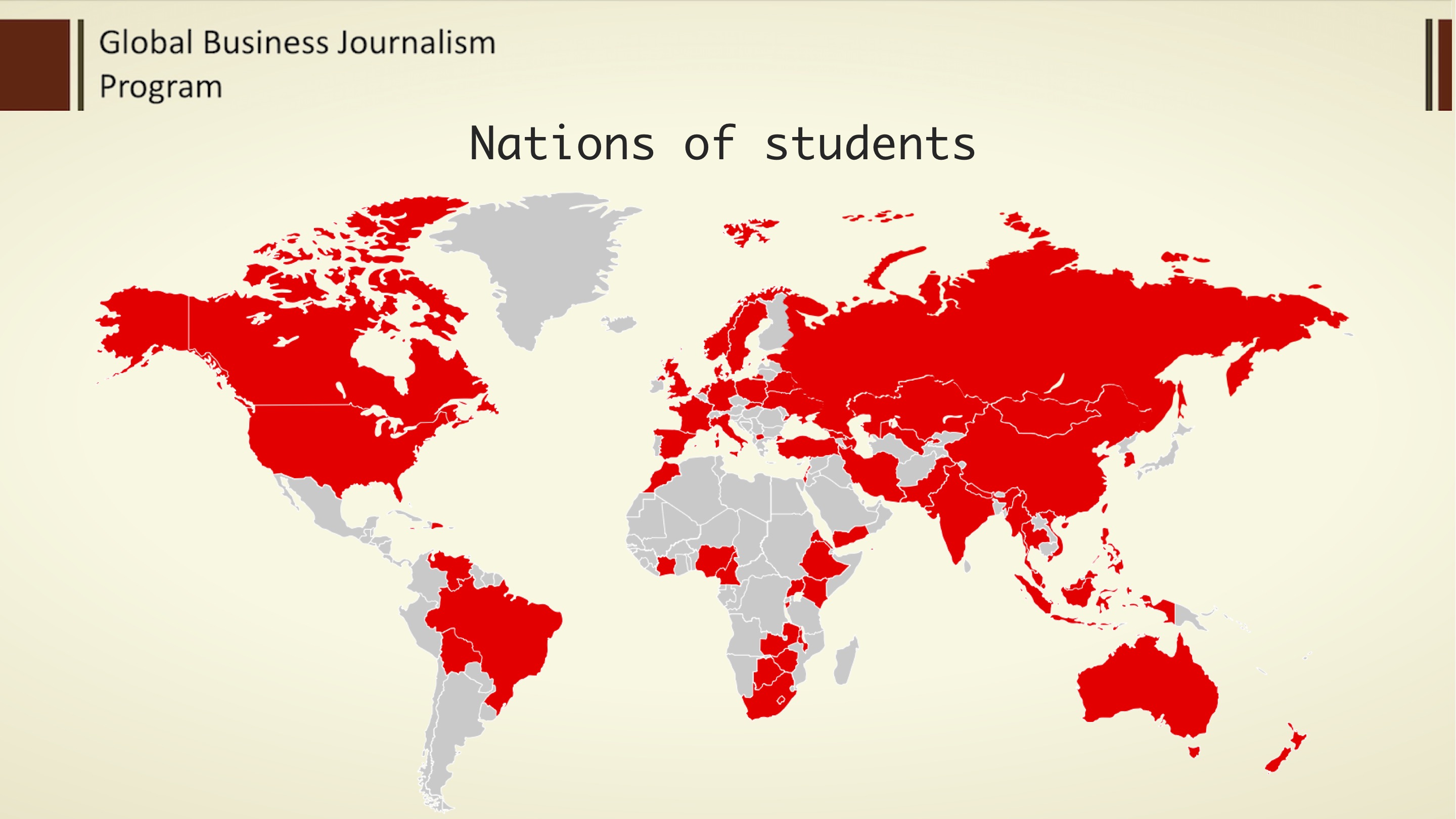
The program is a cross-cultural educational experience featuring some of the best journalism students in China, along with a selection of elite business, journalism and international relations graduates from around the world. Students from more than 60 nations have participated in the program over its first decade. We welcome your application. The first round of applications is open until January 15, 2018. The second round of applications runs from January 16, 2018 to March 1, 2018. An earlier application improves your chances of receiving a scholarship.
Please contact me at rickdunham@aol.com if you have questions. Here’s the official information from GBJ.
For more information about the program, please visit the GBJ website at:
http://gbj.tsjc.tsinghua.edu.cn/publish/jcgbj/index.html
Application Website:
For an application, please visit the Application Website at:
http://gradadmission.tsinghua.edu.cn
3) Academic transcript.
4) Two academic recommendation letters from scholars of associate professorship or higher. They must include the referee’s phone number and email address on the letter.
5) For non-English speaking students, please provide English level certificates. e.g. TOEFL, IELTS, etc.
6) A copy of your passport page with personal information (personal and ordinary passport).
7) For detailed information about scholarships, please visit: http://is.tsinghua.edu.cn.
8) A non-refundable application fee of RMB600.

Application Procedure
Complete Online Application on the website:http://gradadmission.tsinghua.edu.cn.Step 2: Application Fee Payment
There are two ways to pay the application fee:
1. Pay online using a credit card
After your online application form is verified and the materials are received by Tsinghua University, you will be given a choice to pay the application fee via online payment draft or via the online application system.
2. Pay in cash at the Foreign Student Affairs Office (Room 120,Zijing Building 22) on the campus of Tsinghua University.
Accidental Injury and Hospitalization Insurance: RMB 600/year.Please visit http://is.tsinghua.edu.cn for more information about scholarships.
GBJ’s 2017 incoming class visits Bloomberg News, Beijing
√ Valuable learning experiences. The full-time program spans two years of intense, fast-paced, rewarding study. Those who complete it successfully emerge with valuable connections, a rich array of opportunities and the business and journalism skills to capitalize on them. It is a two-year experience that will last a lifetime.
√ Specialized courses. GBJ offers an array of specialized courses that are at the forefront of global business journalism. Students can learn about international accounting standards, multimedia journalism, data mining, complex financial derivatives, journalism ethics, advanced feature writing techniques and the management of media organizations – knowledge that is transferable to other economies and other professions. At the same time, they gain a deeper knowledge of the Chinese language and economy.
√ International faculty. All GBJ courses are taught in English by internationally renowned scholars and accomplished journalists with extensive global experience.
√ Digital facilities. The program’s facilities rival those of other leading journalism schools worldwide. The news lab has the largest number of Bloomberg terminals donated to any university in the world.
√ Program partners. Tsinghua University has teamed up with the U.S.-based International Center for Journalists (ICFJ) to build GBJ. Other partners include Bloomberg News, Bank of America and the Knight Foundation. Visiting scholars have worked at prominent global media and financial-information companies such as Bloomberg, Reuters, The Wall Street Journal, Business Week, The New York Times, The Financial Times, CNN and The Washington Post.
√ Unique resources. The GBJ program benefits from other academic resources on the Tsinghua campus, including its prestigious School of Economics and Management and the Schwarzman College, as well as many Chinese and global media and technology companies in Beijing. Internships, field trips and recruiter visits are integral parts of the program.
√ Job Opportunities and Networking. Graduates of the program are working in a number of major media organizations such as Bloomberg, Reuters, CCTV and Xinhua News Agency. Others have landed communications positions at companies such as Ogilvy China and Bank of America, as well as technology and financial companies, Chinese government ministries and international organizations.
GBJ students have opportunities to attend conferences on new media, economic development and other business topics. They benefit from meetings and discussions with guest speakers, including top editors and reporters from leading Chinese and Western news outlets and international business executives. The GBJ has developed a growing network of smart, sophisticated reporters, editors and public relations professionals who can enhance the world’s understanding of economic and corporate developments in China and globally.
Ms. Ma Chengcheng (Sarah Ma)
Room 302, Omnicom Building, School of Journalism and Communication
Tsinghua University, Beijing 100084, P. R. ChinaTel: +86 10 6279 6842
Fax: +86 10 6277 1410
E-mail: tsjcws@mail.tsinghua.edu.cn
Website:http://gbj.tsjc.tsinghua.edu.cn
Major shifts in U.S. trade policy make it vitally important to study global business and China’s role in it
Posted: February 2, 2017 Filed under: Global Business Journalism, Journalism Training, U.S. politics | Tags: best business journalism programs, Bloomberg News, business journalism, China, Donald Trump, Global Business Journalism, Global Business Journalism Program, global economy, ICFJ, International Center for Journalists, international trade, master's programs in journalism, National Press Club, New York Times, Sarah Ma, study in China, top journalism programs, trade, Tsinghua School of Journalism and Communication, Tsinghua University, United States Leave a comment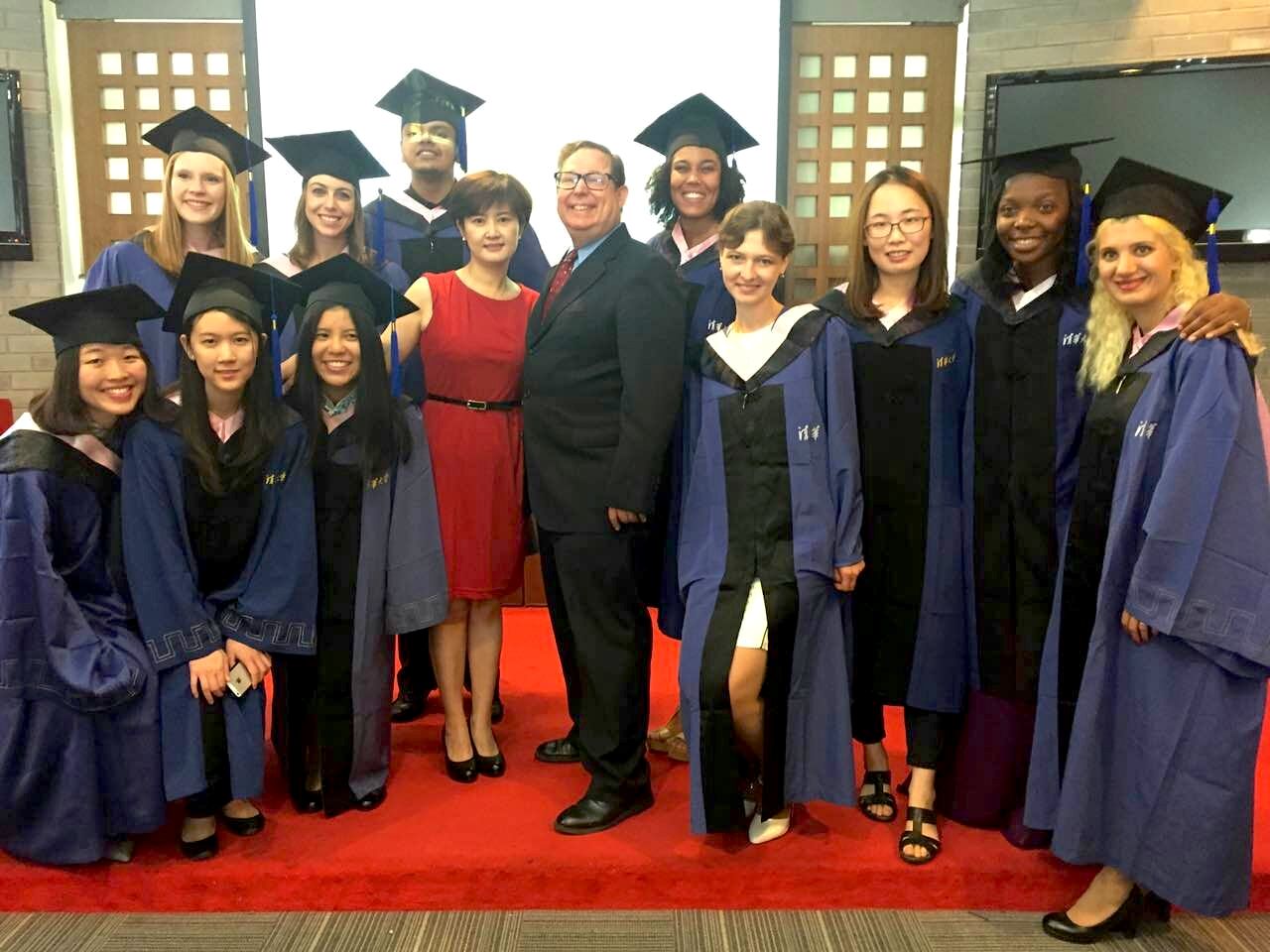
Some of the top international students from the 2016 graduating class.
The global economic order is rapidly changing, and China, with the world’s second-largest economy, is becoming an increasingly important player. As U.S. international and trade policies shift dramatically under a new administration, China is aggressively seeking to bolster its leadership role in the world’s interconnected global economy on trade and other business issues.
If you are interested in pursuing a career in business journalism, now is a great time to study global business in China in the Global Business Journalism Master’s Program at Tsinghua University in Beijing. (Of course, your blog author has a personal stake in this program: I’m co-director.) The extended deadline to apply for admission to the GBJ program is March 20, 2017.
Tsinghua University is the most prestigious university in China, providing a genuine international environment to students from around the world. The Global Business Journalism Program at Tsinghua, founded in 2007, has won international acclaim for teaching global best practices in business journalism and the technical skills needed to succeed in today’s digital news environment.
The program, a partnership between Tsinghua, the International Center for Journalists and Bloomberg News, trains future journalists who can help the public understand the complexities of global business and the economy. Students in the program benefit from a faculty that includes award-winning journalists from prominent media organizations such as Bloomberg News, the National Press Club of Washington and Business Week, as well as renowned Chinese scholars with degrees from prestigious international institutions.
The two-year program is fully taught in English. Enrollment in the courses is about half international, half Chinese. The program provides internship opportunities at major media organizations and offers summer reporting programs in New York and Washington.
Scholarships are available to top applicants. The deadline to apply for scholarships, as well as admission, is February 28.
Graduates of the intensive program emerge with a network of valuable connections that can enrich their careers. You can contact GBJ or ICFJ with any questions.
To share the mini-documentary on GBJ, send your friends this link: https://www.youtube.com/watch?v=VQ6kr_rUeI8&feature=youtu.be
To apply, please visit the application site:
http://gbj.tsjc.tsinghua.edu.cn/publish/jcgbj/370/index.html
For more of the program, please visit the program’s official website:
http://gbj.tsjc.tsinghua.edu.cn/publish/jcgbj/index.html
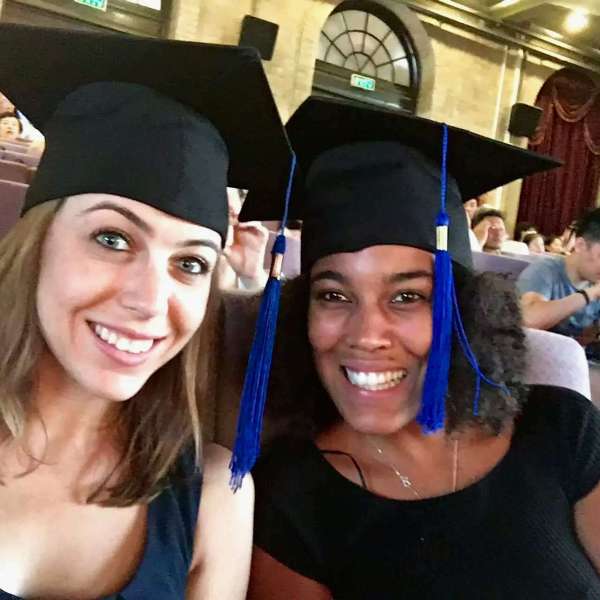
2016 GBJ grads Jordyn Dahl and Jade Ladal
Contact at Tsinghua School of Journalism and Communication:
Ms. Ma Chengcheng (Sarah)
The GBJ Office
Room 302, Omnicom Building,
School of Journalism and Communication
Tsinghua University,
Beijing 100084, P. R. China
Tel: +86 10 6279 6842
Fax: +86 10 6277 1410
E-mail: tsjcws@mail.tsinghua.edu.cn


Recent Comments