Analysis: How Big Will the Blue Wave Be in the Upcoming Midterms?
Posted: November 2, 2026 Filed under: U.S. politics | Tags: 2026 Election, American history, American politics, Blue Wave, Congress, Democrats, Donald Trump, history, news, politics, Republicans, trump, U.S. Congress Leave a comment
By RICK DUNHAM
The Democrats appear poised for a midterm victory. But the size of that victory — and whether it extends to the Senate —will depend on a surprisingly small number of highly competitive races.

The question is not whether the political environment favors Democrats in Tuesday’s midterm elections. By almost every analytical model and historical measure, it does. The question is how much of that advantage translates into seats in the House and particularly the Senate — and how many Republicans who have been considered safe discover, too late, that they were standing in the path of a big blue wave.
I covered the Republican revolutions of 1994 and 2010 and the Democratic takeover of Congress in 2006. One lesson from those elections is that waves often grow larger than the experts expect. A district that looks safely Republican in October can become competitive in November. That does not mean a Democratic landslide is inevitable in 2026. It means we should be careful about treating our final lists of toss-up races as the outer boundary on Election Day.
A referendum on Donald Trump
President Donald Trump has gotten his opt-repeated wish: This election a referendum on him. While Trump would defiantly disagree, that is a serious problem for Republican candidates. A late October Reuters/Ipsos poll placed his approval rating at 32%, near a record low. In the same survey, registered voters preferred Democratic control of Congress by 47% to 36%; among likely voters, the margin was 53% to 44%. One note of caution: While those are substantial leads, national preferences do not necessarily distribute themselves evenly across congressional districts.
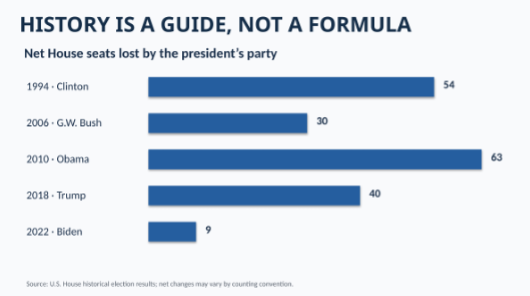
I can say from nearly five decades of covering American politics that history is not kind to the party occupying the White House in a midterm. The president’s party lost 54 House seats in 1994, 30 in 2006, 63 in 2010 and 40 in 2018. But huge setbacks are not guaranteed, even with an unpopular president. Republicans gained just nine in 2022 amid widespread unhappiness with President Joe Biden and rising prices — an important reminder that a predicted wave can become a ripple. Political conditions matter. But so does candidate quality, turnout, gerrymandering and events peculiar to individual races.
The pocketbook problem
Americans do not vote on gross domestic product. They vote on their own economic circumstances and their expectations for their families. In the polling cited in my presentation, 73% said the cost of living was moving in the wrong direction. Trump received just 26% approval for his handling of the economy and 17% for the cost of living. An AP-NORC finding cited in the deck indicated that 65% blamed his policies for driving up prices.
Democrats learned this lesson painfully in 2024. Inflation had multiple causes, including pandemic-era supply disruptions and the energy and grain shocks following Russia’s invasion of Ukraine. Many of those forces were beyond President Joe Biden’s control, but voters held his administration responsible. Trump promised to lower prices, some by 200%. (That’s definitely New Math.)
Instead, his tariffs and trade conflicts have made affordability a central political vulnerability. The precise contribution of any one policy to inflation is debatable.The electoral importance of voters’ perceptions is not. A key number: A majority of American voters now say they are dissatisfied with their own personal financial situation — for the first time since NBC News began asking this question in 1994. Eight years ago, when Republicans lost 40 House seats, more than 70% of Americans reported being satisfied with their own financial outlook midway through Donald Trump’s first term.
Health care, immigration, abortion, government competence and questions about corruption also matter. But the most useful early exit-poll numbers may not be which issue voters rank first. They may be which party voters trust to handle that issue — particularly the economy — and whether voters believe their own circumstances are stable or improving.
The popular vote is not the seat count
Democrats’ biggest challenge may be to translate a popular vote landslide nationally into victories in heavily gerrymandered House districts. This is the paradox at the heart of this election: Democrats could win a decisive nationwide House vote and still emerge with only a modest majority. Or they could win roughly the same vote share and capture dozens more seats. What matters most is whether Democrats win slim victories in Republican districts or mostly win landslides on heavily Democratic turf.
Imagine ten equally populated districts. In one model, Democrats win four districts overwhelmingly but lose the other six by relatively narrow margins. In another, they win seven districts by more modest margins. The national Democratic vote share can be identical in both examples, yet the seat totals are dramatically different. Votes piled up in a landslide district count in the national total, but they cannot elect additional representatives.

Three forces explain the disconnect: gerrymandering, the geographic concentration of like-minded voters and the decline of split-ticket voting. Mid-decade redistricting has added another complication. The Cook Political Report suggested a net Republican benefit of roughly three seats from the latest map changes, down from GOP’s best case scenario of 10 pickups. The lesson to greedy Republicans is that a favorable map is not a seawall. In a strong enough wave, seats drawn to be safe can suddenly become vulnerable.
Where the wave could reach
Start with the suburbs. Watch Northern Virginia, the Philadelphia suburbs, northern New Jersey, the areas around Detroit and Grand Rapids, and the growing metropolitan regions around Charlotte, Raleigh, Atlanta, Tampa, Orlando, Dallas and Houston. Are Democrats merely holding their previous margins, or are they expanding them? That distinction could determine control of the House and shape several Senate contests.
Then move outward. The signature of a truly broad wave would be smaller Republican margins in exurbs, working-class communities and rural counties — not just bigger Democratic majorities in already-blue cities. Watch places around Columbus, Cincinnati and Cleveland, Pennsylvania’s Lehigh Valley, the industrial Midwest and South Texas. Compare similar counties and districts with 2024, when Donald Trump made major inroads among Latino voters, young men and Black men. A caution: remember that partisan gerrymandering makes some congressional district comparisons to 2024 imperfect.
Population movement adds uncertainty. New arrivals from California, the Northeast and the Midwest have changed parts of Texas, the Carolinas, Florida, Arizona and Nevada. But migration alone does not tell us how people vote. New residents can be more conservative or more liberal than their neighbors, and they can be more shocked by corruption at the state level than longtime residents. Their states of origin are less important than their response to political shenanigans in their adopted state.

The Senate is a different battlefield
The House reflects a national political swing across hundreds of districts. The Senate reflects a much smaller collection of statewide contests, often in territory that voted for Trump in 2024. Democrats need a net gain of four seats from the 53–47 Republican starting point, because the vice president breaks ties for Republicans. Winning the House, even comfortably, would not guarantee control of the Senate.
Maine, Ohio, Iowa, Kansas, South Carolina and Texas deserve close attention, along with Republican-held seats in other states where high quality Democratic candidates have made races unexpectedly competitive. Example: Mississippi.
Democrats must also defend Michigan, where a Sunday morning endorsement of Republican nominee Mike Rogers by the Democratic primary loser, Haley Stevens, scrambled things. An unexpectedly close result in a state considered safely Republican such as Louisiana or Florida would be meaningful even if the Democrat loses: it could suggest that the wave is spreading beyond the expected battlegrounds.
Candidate quality can amplify or blunt the national tide. A strong local incumbent such as Maine Republican Susan Collins may survive a difficult year (although there is little protection against a tidal wave). A weak candidate such as Mississippi’s Cindy Hyde-Smith may lose a seat that should have been secure. Campaign money, advertising and turnout operations matter, too. That’s why we’re all looking at Texas, where sometimes-trillionaire Elon Musk has pumped in tens of millions of dollars in a rescue mission to save Republican Ken Paxton by sliming Democrat James Talarico on the issue of trans rights.
Information, enthusiasm and the unknown
Voters increasingly inhabit different information worlds. Cable television, partisan websites, podcasts, social video and political influencers can present sharply different versions of the same presidency. Republicans benefited from an influential podcast and online ecosystem in 2024. The balance may be changing, especially when podcast superstar Joe Rogan has become a sometimes-critic of Donald Trump and has welcomed Democrats including Texas’ Talarico to share his platform. Still, individual appearances or criticisms by disgruntled former MAGA acolytes are not, by themselves, proof of a nationwide shift.
Enthusiasm is another potential advantage for Democrats. Reuters/Ipsos figures showed 46% of Democrats, compared with 30% of Republicans, describing themselves as very enthusiastic wabout the midterms. While enthusiasm and early-voting statistics heavily favoring Democrats are not final turnout counts, they are important warning signs to Republican operatives. Without an extra-strong Election Day turnout, Republicans are facing major electoral challenges.
How big is the wave?
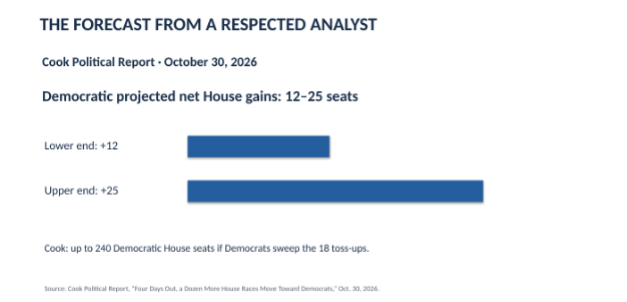
The authoritative, independent Cook Political Report’s October 30 forecast projected Democratic House gains of 12 to 25 seats, with a scenario reaching 240 Democratic seats if the party swept the toss-ups. A true blue tidal wave like the 1994 Newt Gingrich revolution could increase that total. The Cook estimate of 12 to 25 seats is a useful benchmark, not a ceiling or a guarantee. Polls have errors. Turnout models rely on assumptions. But as I always say, it’s better to be ahead in polls than behind. And it’s important to note that no respected independent polling analysts are predicting that Republicans maintain control of the House. So it’s only the size of the coming Democratic majority that’s uncertain.
There are several plausible endings. Democrats could win a narrow House majority while Republicans retain the Senate. They could sweep most competitive seats and win both chambers. A much larger wave could topple Republican incumbents in places nobody expected to be competitive. Or a pro-Republican riptide in most close districts could leave the GOP clinging to a tiny House majority despite a Democratic advantage in the national vote.
I will be watching one question above all others Tuesday night: Are Democrats winning only the races they were expected to win, or are supposedly safe Republican seats suddenly becoming toss-ups? The answer will tell us whether the blue wave is a torrent or a trickle.
>>> Read Rick Dunham’s 2026 Election Night cheat sheet
The state of China’s economy in 15 charts: Growth, challenges and expanding global role
Posted: October 21, 2026 Filed under: AI, Discovering China | Tags: AI, Artificial Intelligence, China, Chinese economy, consumer confidence, debt, economy, global economy, history, housing, infrastructure, international economics, international trade, news, politics, retail sales, robotics, stock market, unemployment Leave a comment
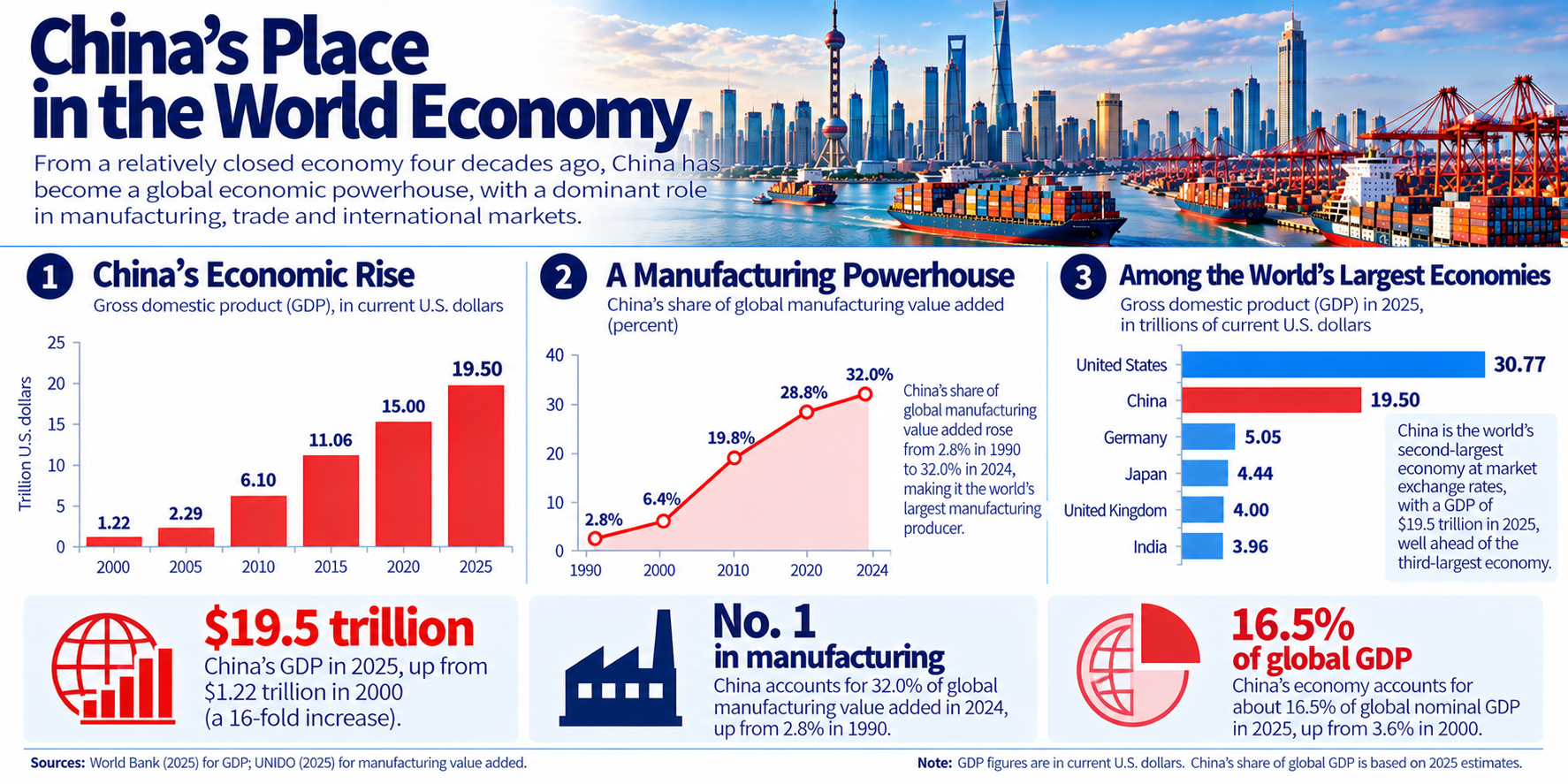
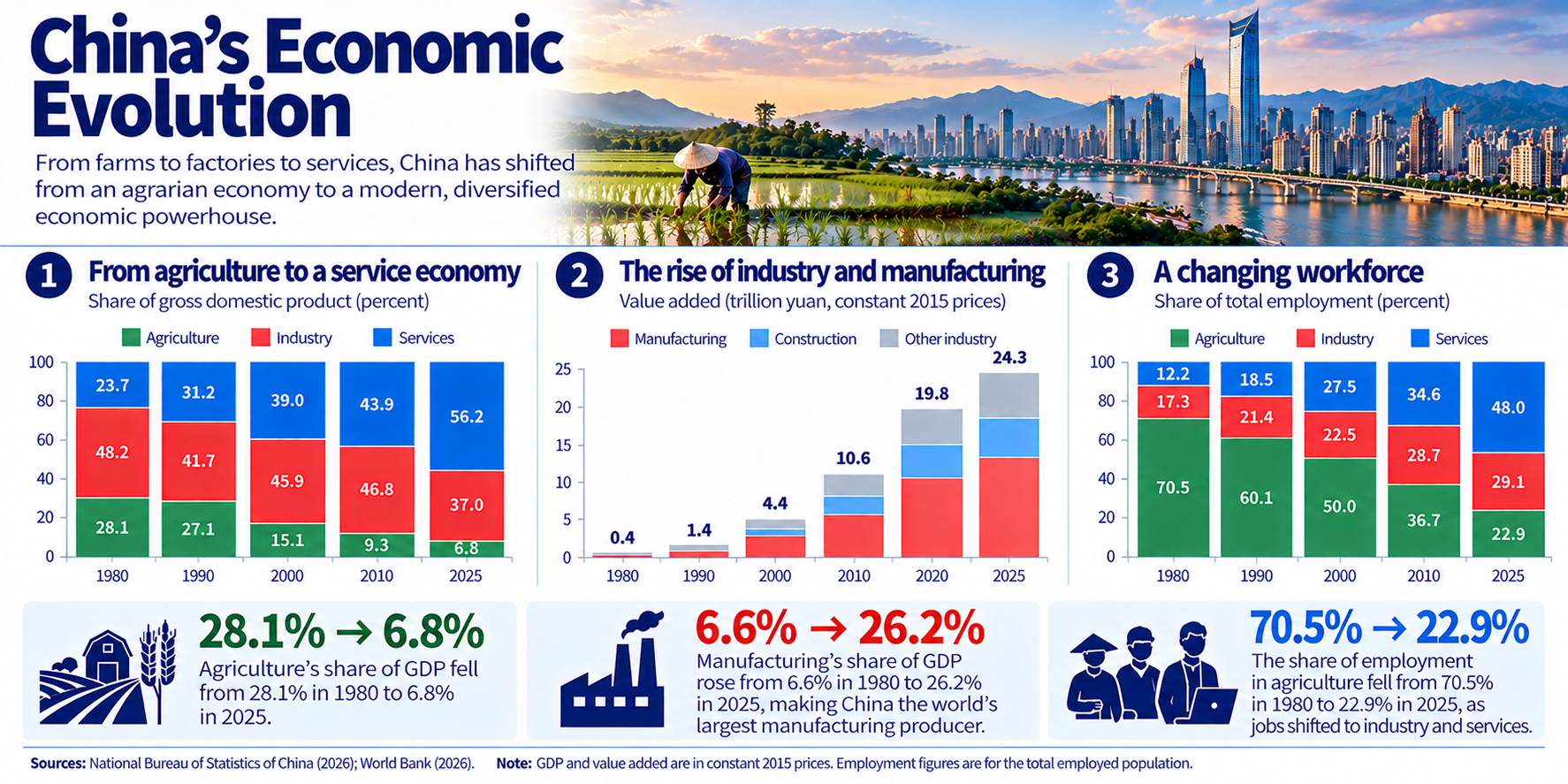
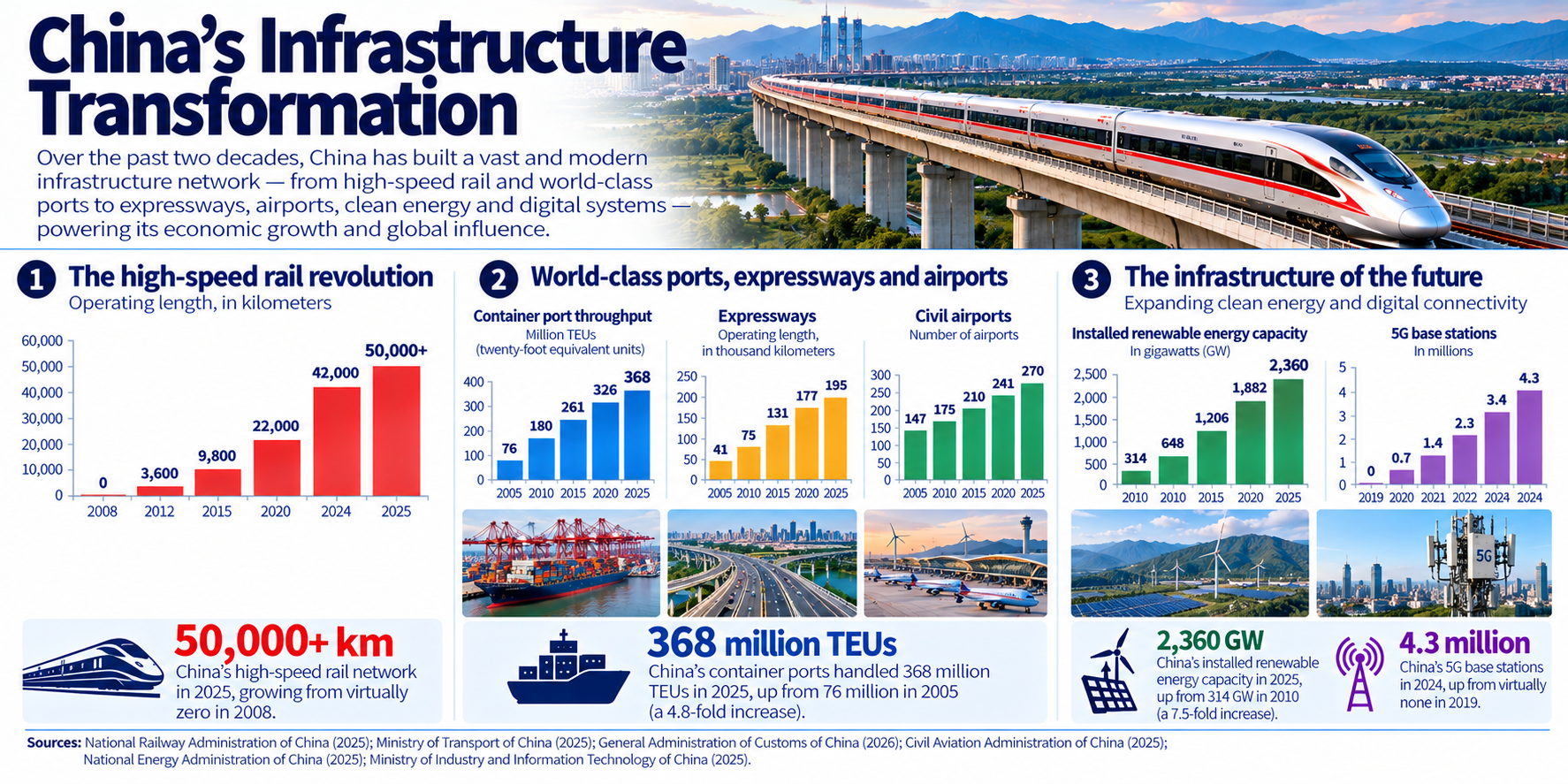
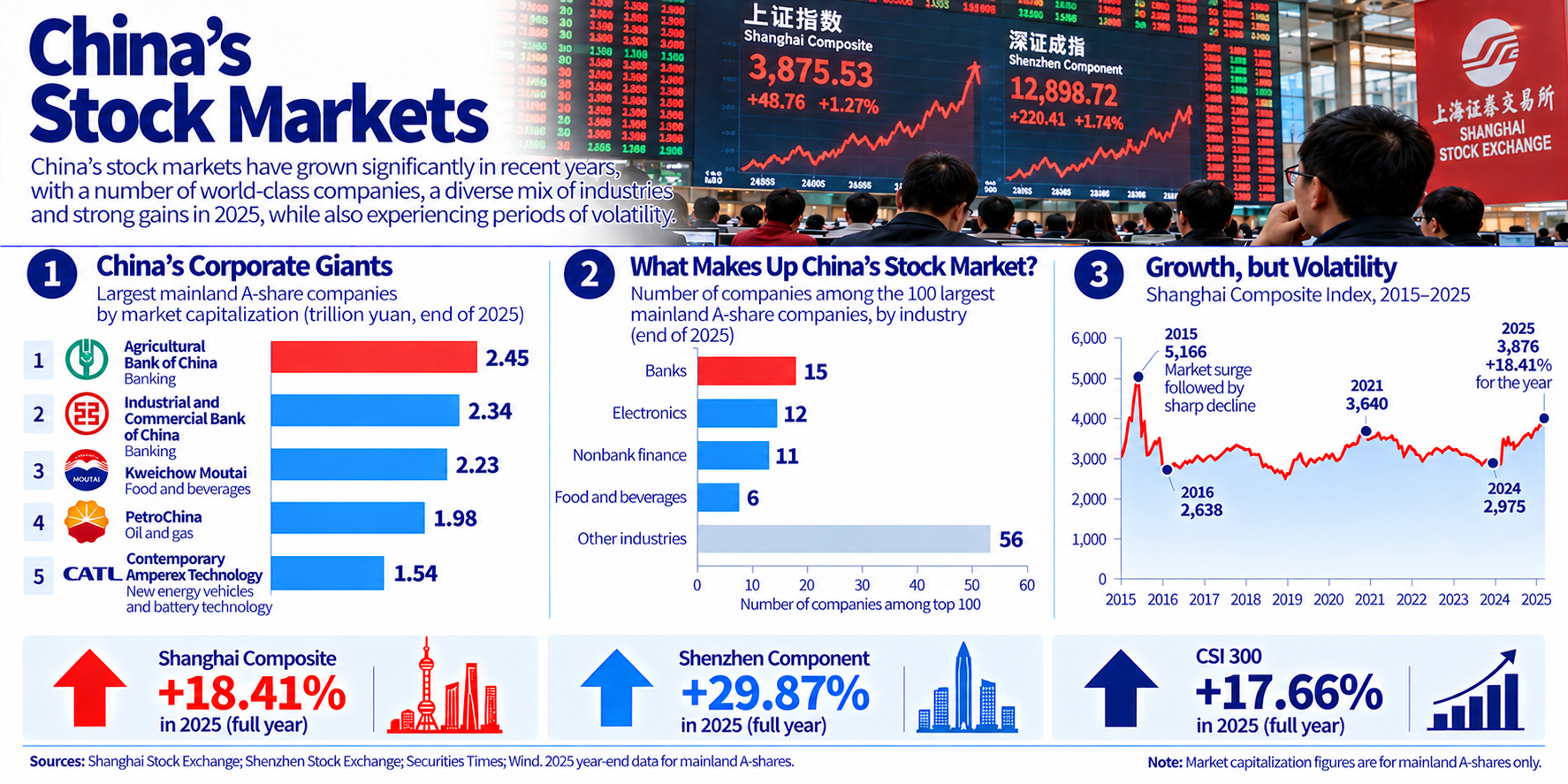
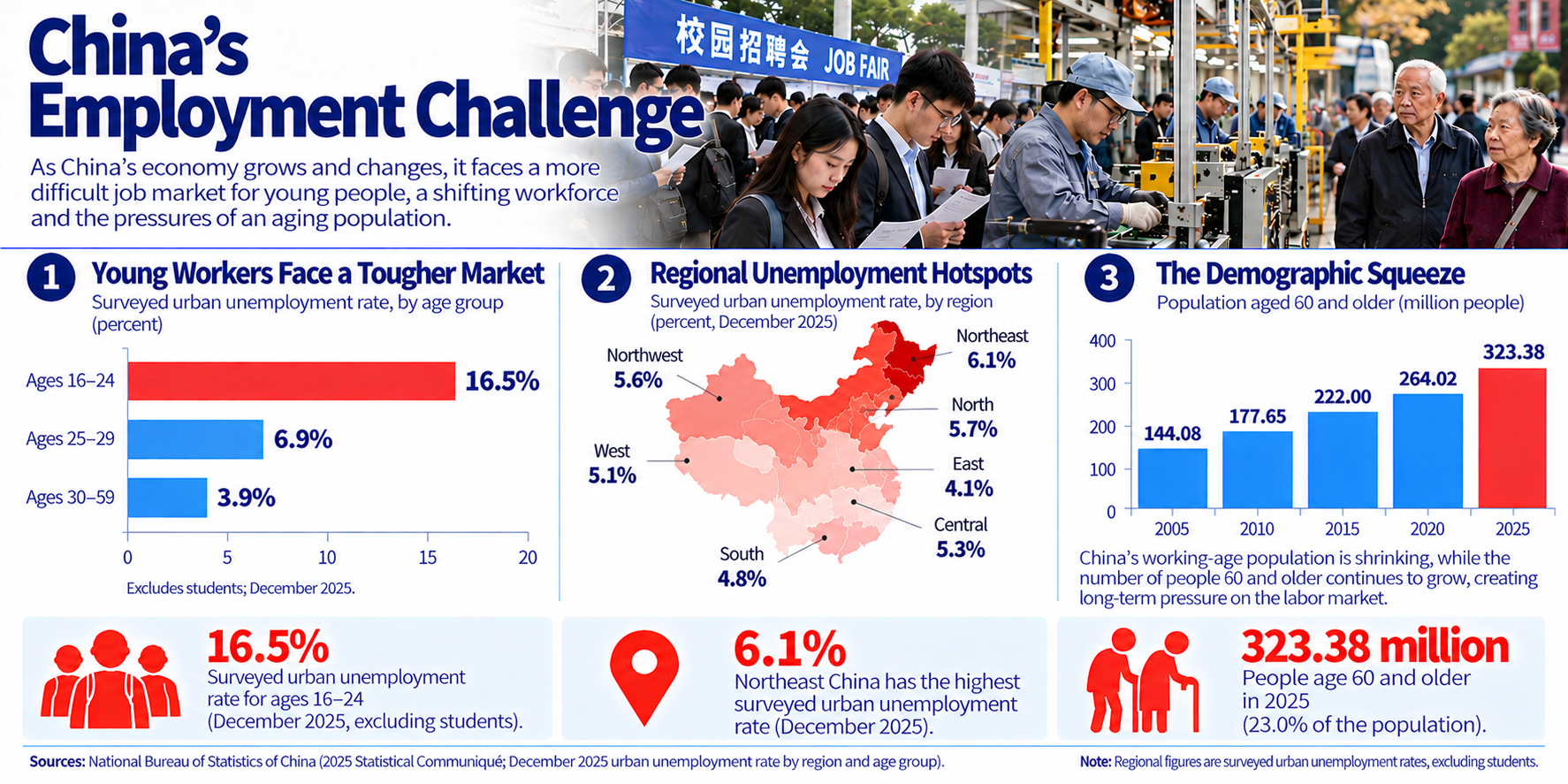
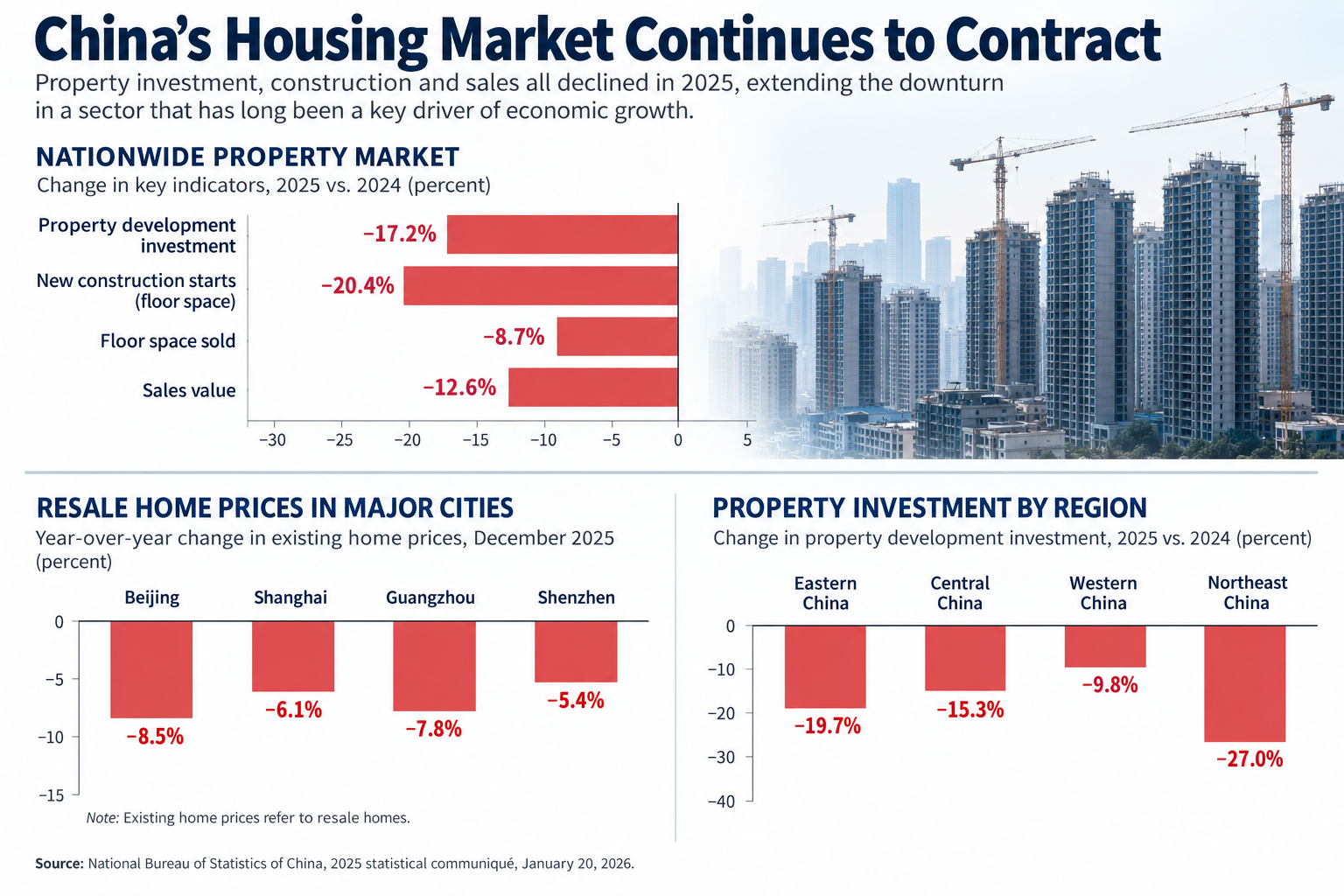
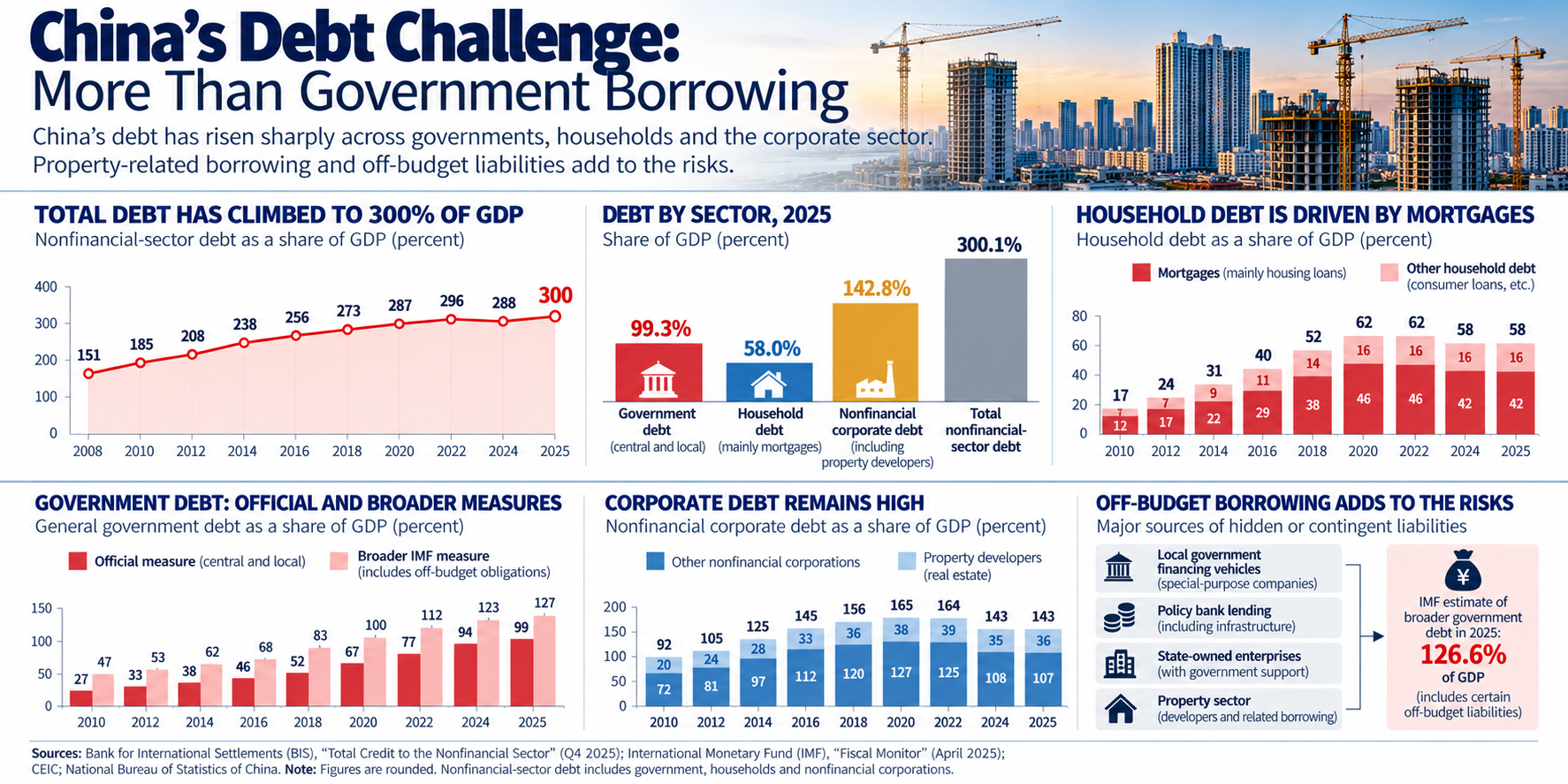
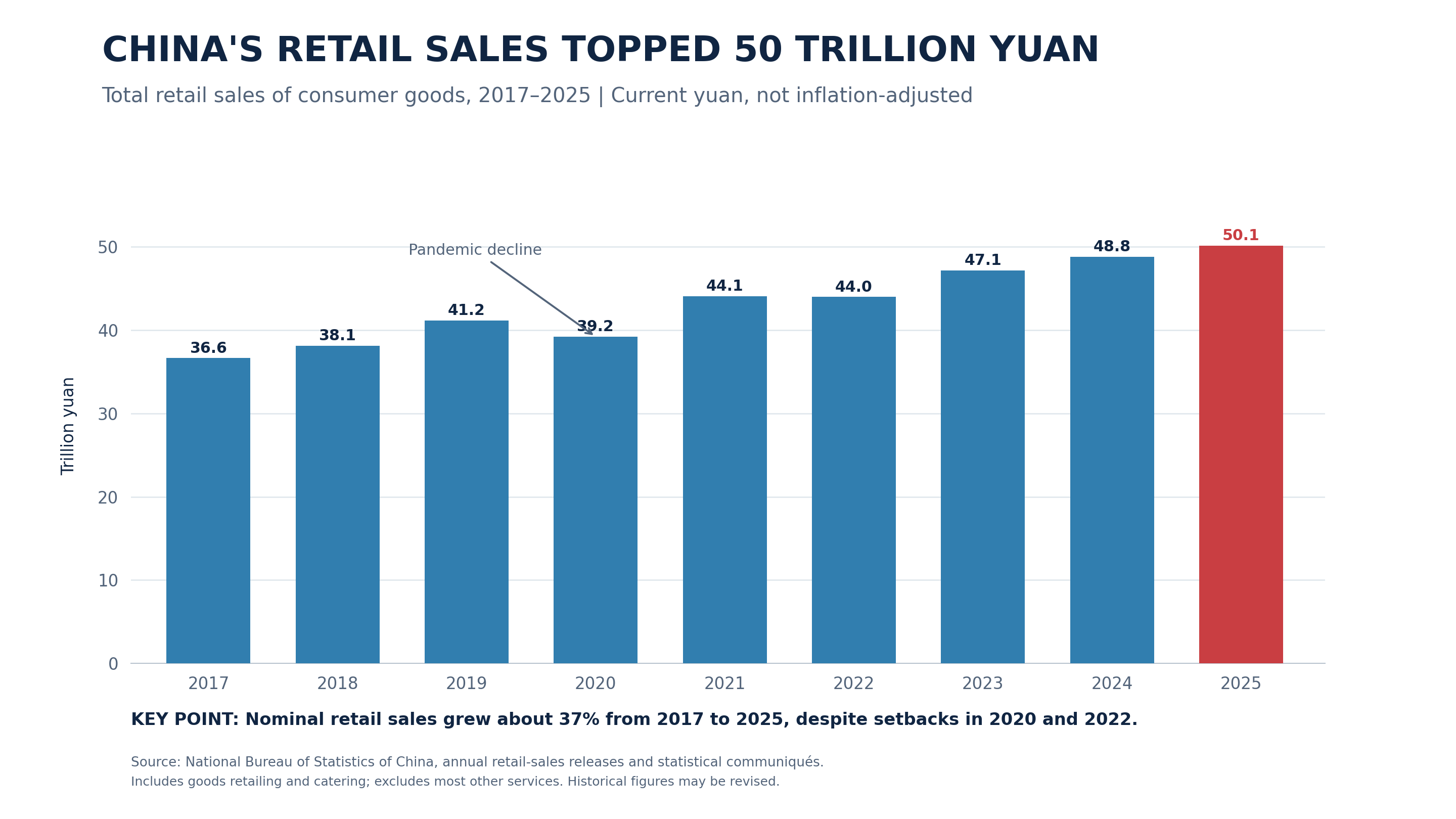
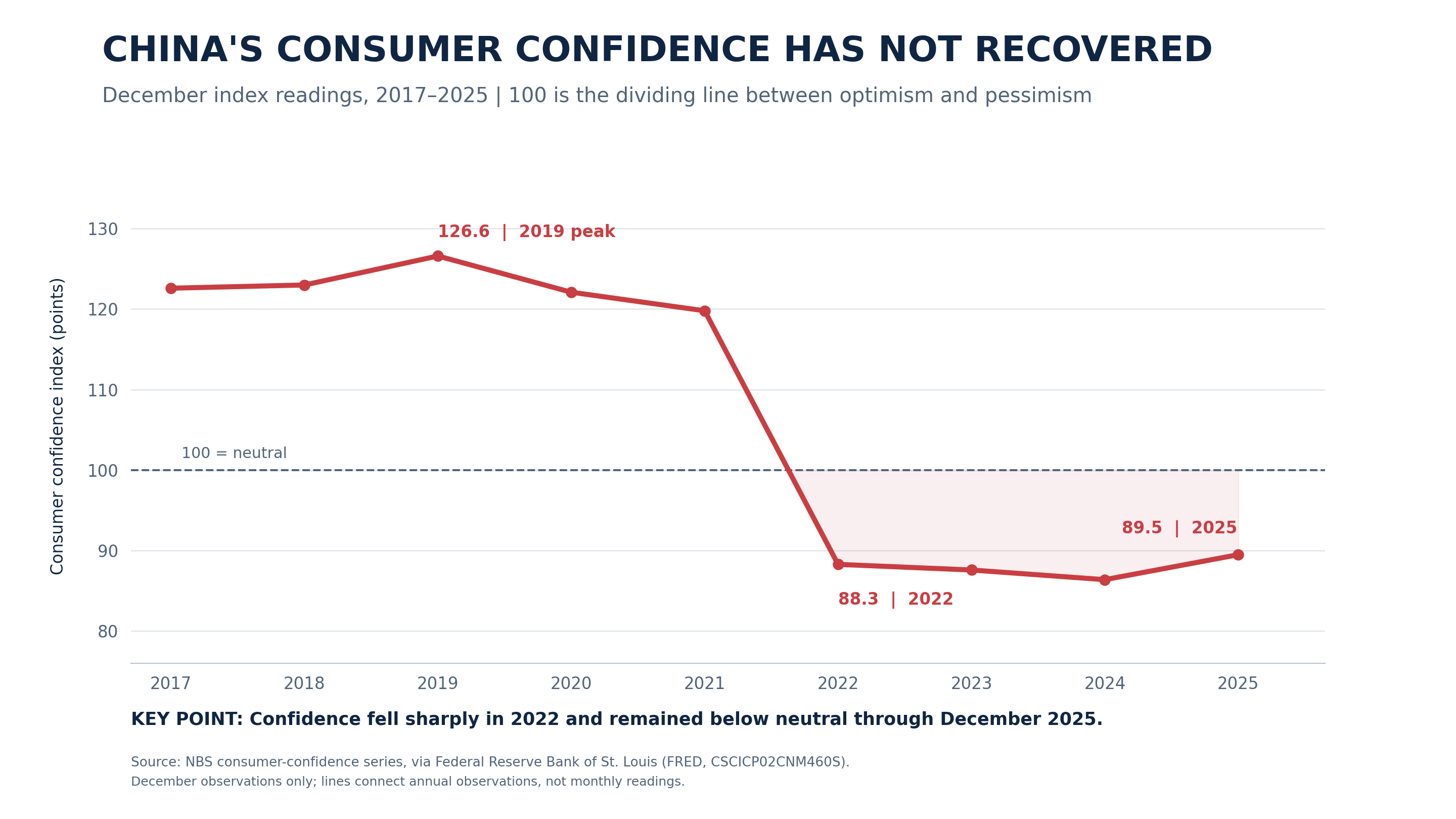
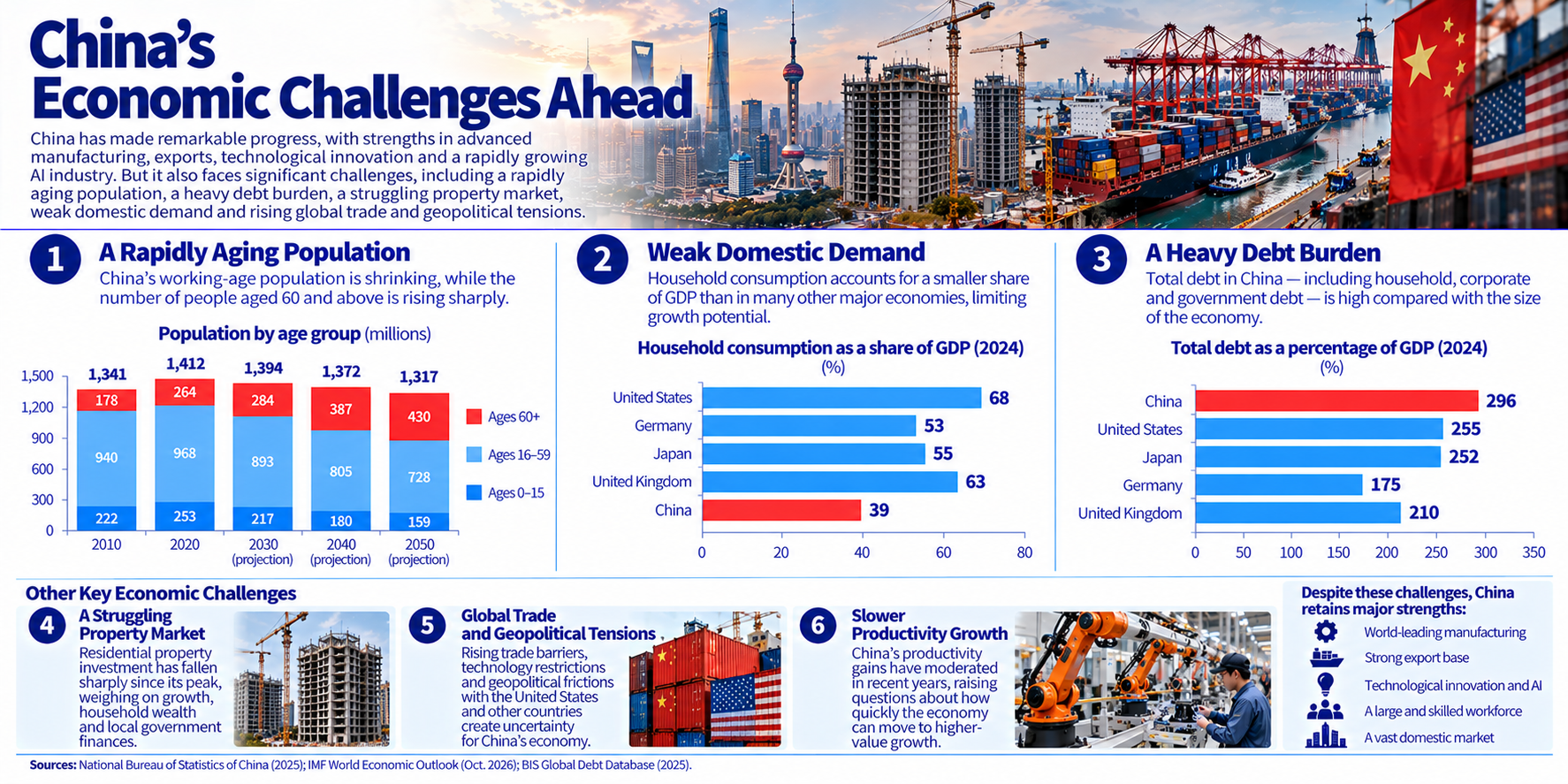
China’s economy is undergoing a profound transformation. The world’s second-largest economy remains a manufacturing powerhouse, a global trading giant and an increasingly important leader in emerging technologies. But beneath the impressive numbers lie significant challenges, including a struggling property market, weak consumer confidence, youth unemployment and simmering trade tensions.
Much of the global media coverage has tended toward the extremes: the rising economic power that will overtake the United States and end the American Century — or an over-levered, debt-fueled mess that cannot sustain the government-juiced growth of the past decade and is heading toward inevitable decline.
How can we make sense of these seemingly contradictory and overly simplistic visions?
Sometimes, the best way to understand a complicated economic story is to visualize it.
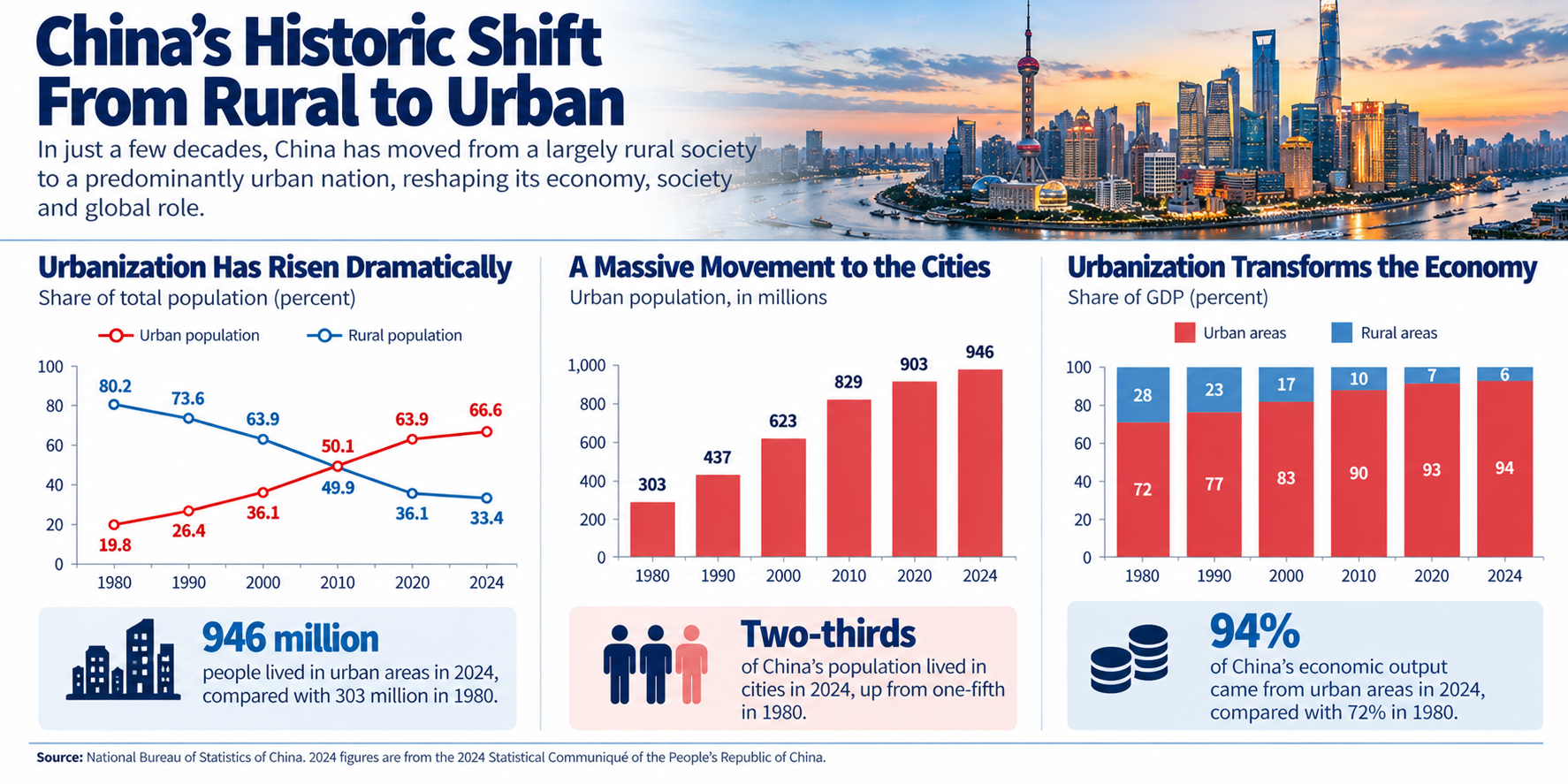
These 15 charts and infographics examine the state of China’s economy from several different perspectives. They explore the country’s changing economic structure, its expanding global trade relationships, the remarkable growth of electric vehicles and robotics, and its ambitions in artificial intelligence. They also examine the pressures facing Chinese households, workers, property owners and investors.
The graphics reveal an economy of striking contrasts: technological dynamism alongside structural weaknesses, global competitiveness alongside domestic uncertainty, and extraordinary industrial capacity amid questions about future growth.
No single statistic can adequately capture an economy as large and complex as China’s. Taken together, however, these visualizations provide a broader picture of where China stands today, how it got here and what may lie ahead.
They also demonstrate how data visualization can turn complicated economic statistics into accessible stories for an international audience. Enjoy! And please share your feedback and predictions.
Note: I used AI research to help me with find the latest data for this project. I tried to confirm all data that I used. If you see anything that is incorrect, please let me know and I will fix it.




Beijing’s top tourist attractions, from the old standbys to the hidden gems
Posted: September 30, 2026 Filed under: Discovering China, Dunham's Discourses, Uncategorized | Tags: Asia, Beijing, Beijing tourism, Beijing Zoo, China, China tourism, Forbidden City, Great Wall, history, Lama Temple, pandas, Summer Palace, tea, Temple of Heaven, Tiananmen Square, travel, Yuanmingyuan Ruins Park, Zhoukoudian Leave a commentBy RICK DUNHAM
In more than 13 years in Beijing, I’ve visited just about every museum I could find. As a history major and a journalism professor, I’ve explored dozens of sites with ties to Chinese history and some that even pre-date modern humans. I’ve hiked the Great Wall 40 times, from its western terminus in Gansu province to the Yalu River bordering North Korea.
I’ve seen domestic tourism explode in China and the number of museums in the nation more than doubled. Visiting cultural sites “has become trendy among citizens in Beijing,” says Yin Li, secretary of the CPC Beijing Municipal Committee. Tourism is a much more user-friendly experience today than it was a decade ago, from ubiquitous QR codes to more modern toilet facilities.
Beijing boasts hundreds – yes, hundreds – of museums, cultural attractions, parks, historical sites and other locations for visitors to see. As Irina Bokova, former director-general of UNESCO, said recently, “the city bears witness to more than 3,000 years of cultural history.”
There’s no way to see it all in a short visit. Or even if you are here for a year or two. But try to pack in as much as you can in whatever time you have. Here are some of the best tourist opportunities Beijing has to offer.
The Core Four
I hope this guide will help you to prioritize your adventures in China’s capital city and environs. It’s a wonderful place to explore. Enjoy!
These are the Beijing tourist attractions that every visitor must see. If your family is visiting, take them there. If someone has just two or three days in town, figure out a way to squeeze all of these in.
The Great Wall

Photo by Rick Dunham
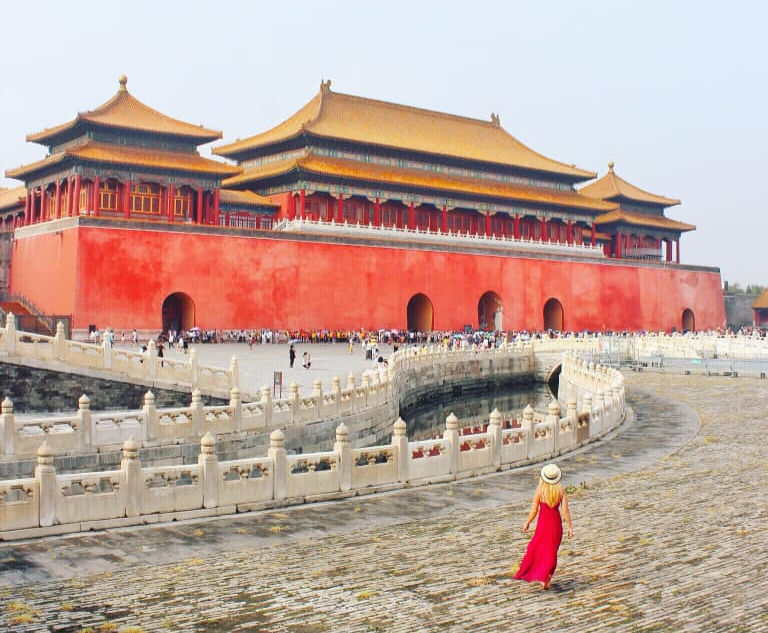
The Forbidden City
The Summer Palace

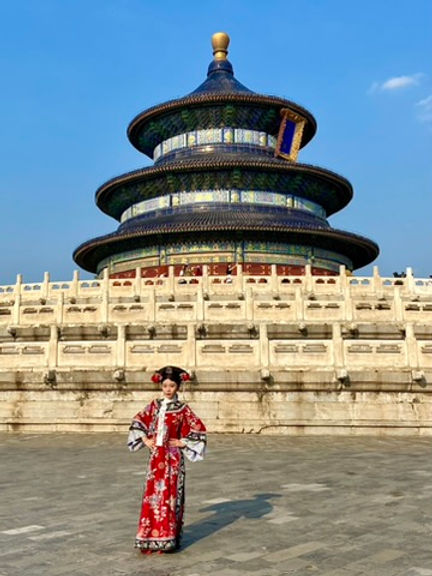
The Temple of Heaven
Memorable sites you don’t want to miss
Everyone has to make choices. You can’t see everything. But there are some places that you should try to find time to see, whether your visitor is here for four days or three months.
Many of these memorable sites can be combined with the must-see sites on a single itinerary. Yuanmingyuan is close to the Summer Palace and can be visited together in an outing. The same is true of the National Museum, Tian’anmen and the Forbidden City (admittedly, a very long and intense day). And the Beijing Zoo, with its delightful pandas, is a short subway ride away from the city center.
Yuanmingyuan Ruins Park

The ruins of Yuanmingyuan are one of the most stunning parks in Beijing. They range from traditional Chinese architecture of the Ming era to Italian-Chinese fusion palaces of the 18th century. All were destroyed by British and French invaders. (Photo by Rick Dunham)
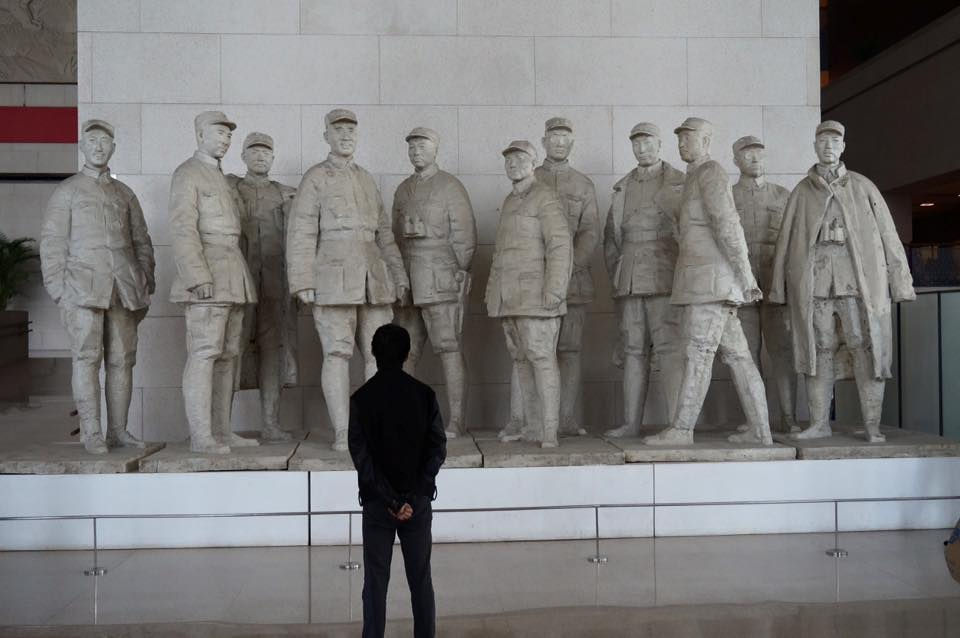
The National Museum
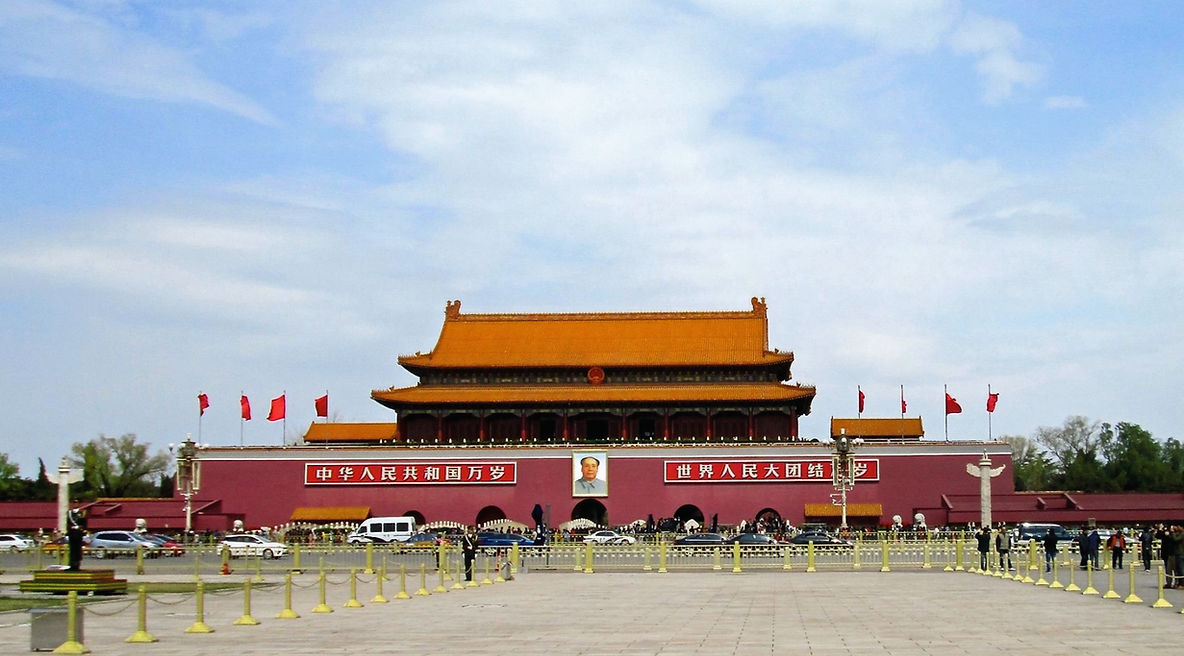
Tian’anmen Square
Lama Temple (Yong He Gong)

The Beijing Zoo

Highly recommended half-day trips outside of the city
If you have access to an automobile, or have enough spending money to rent a driver for a few hours, these historically significant sites are well worth your time.
Marco Polo Bridge (Lugou Qiao)

Anti-Japanese resistance museum and Wanping walled town

Zhoukoudian (Peking Man caves, park and museum)

Ming Tombs

A historical photo of the Ming Tombs, circa 1950s.
Jiaozhuanghu tunnels and exhibit

The Second Tier — but still first rate
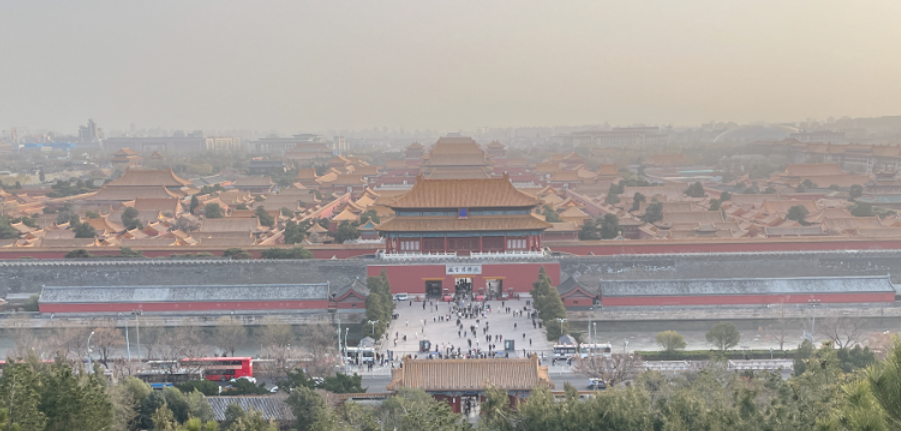
Everyone has to make choices. These are all great options, if you have time to visit. Look at a map and try to cluster as many sites that are in the same general vicinity as possible. For example, you can visit Jingshan or Behai after a trip to the Forbidden City. Or combine the Bell and Drum Tower with a visit to Houhai for food, recreation or tourism.
The Bell Tower and Drum Tower

The Drum Tower between the fall of the Qing Dynasty and the Japanese invasion.
Jingshan (Coal Hill)
Beihai Park

Olympic complex

Military Museum

A young boy practices on a jet aircraft simulator at the Military Museum. (Photo by Rick Dunham)
Hidden Gems
These stops are not in many tour books. But they are all memorable.
Beijing Ancient Observatory

Beijing Ming City Wall Ruins Park

Confucius Temple
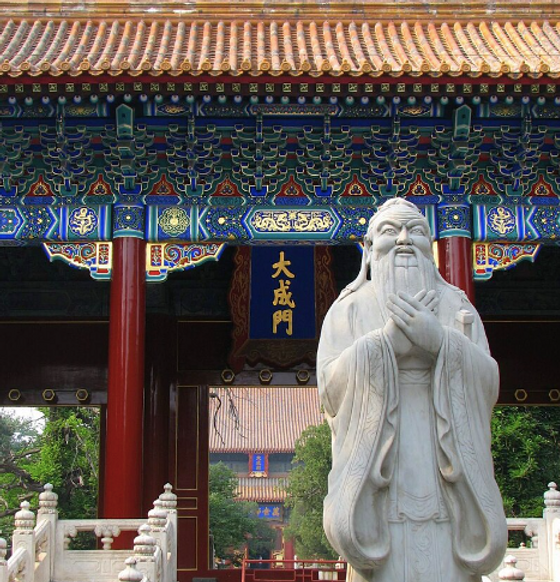
Photo by Rick Dunham
Paleozoological Museum of China

The universities: Tsinghua and Beida

Photo by Rick Dunham
Tea tours

Hutong tours

New and Nice
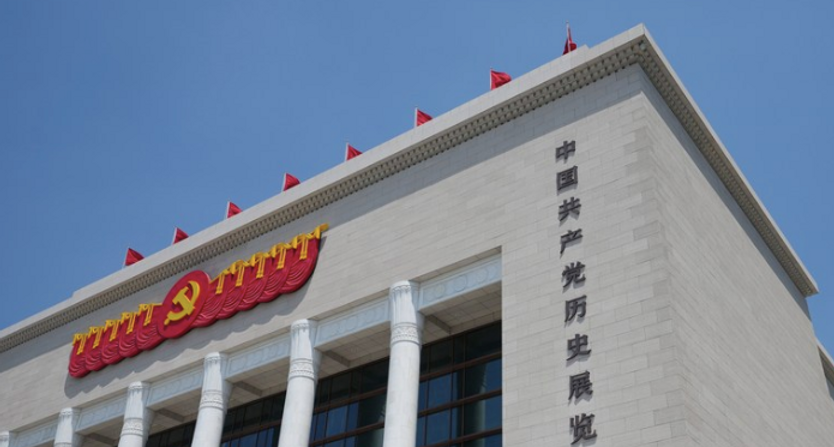
Beijing has been on a museum building binge in recent years as the ruling Communist Party underscores Xi Jinping’s theme of “the great rejuvenation of the Chinese nation.” Among the results are some interesting new museums that showcase Chinese traditional culture, historical accomplishments and modern might.
Museum of the Communist Party of China
Chinese Traditional Culture Museum

The Grand Canal Museum
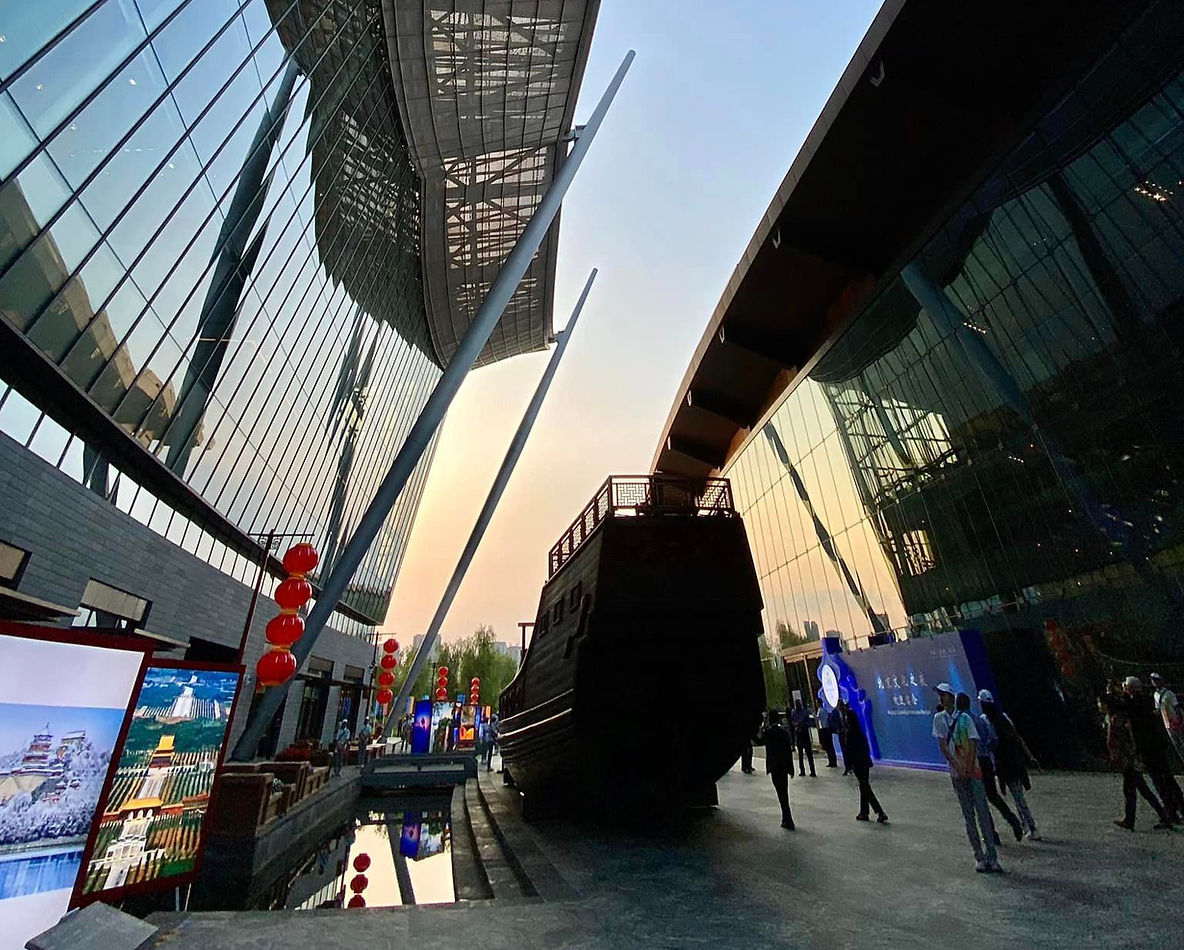
Hiking and outdoor activities
Chinese families love to spend weekends outdoors. Older people spend much of their leisure time in the city’s plethora of parks. Young couples also stroll through the romantic and beautiful surroundings. Whatever your mood, there is a park for you. Whether you are seeking flowers, or a challenging hike, or 50 kinds of bamboo – you can find it somewhere in the Big City. Sometimes it’s free. Otherwise, the entry fee is inexpensive.
Purple Bamboo Park

More than 50 varieties of bamboo are on view at Purple Bamboo Park, located near the zoo. The purple bamboo is the most famous, of course. The yellow duck boats are a favorite for visitors.
Fragrant Hills (Xiangshan)
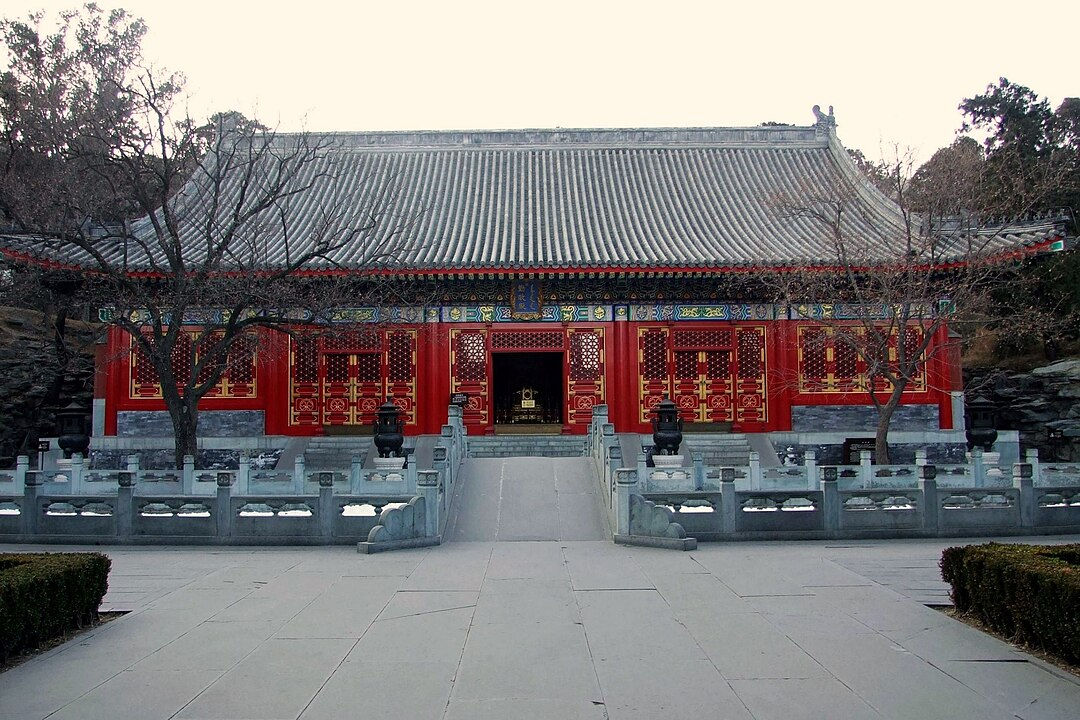
Olympic Forest Park

China National Botanical Garden

This massive park is known to many locals as the Beijing Botanical Garden. (Photo by Rick Dunham)
Ritan Park (Temple of the Sun)

Popular with younger people
Several zones in Beijing are particularly popular among younger people for their combinations of culture, restaurants, art, entertainment, bars, diverse nightlife, and, yes, even some museums tucked away for further exploration. Many of them are near hutong neighborhoods, which add to their charm, though they can cause you confusion and minutes lost while looking for your destination.
Houhai

Sanlitun

Sanlitun, with its alleys, hutongs and gleaming glass shopping malls, is the social center for young professionals, students and the diplomatic set.
Wudaokou

798 Art District (Dashanzi)

An old warehouse area has been transformed into the funky arts district. For a quarter-century, it is the closest thing Beijing has to a Bohemian quarter, with galleries, cafés and gathering spots for the intellectual set, both Chinese and expat.
Your top tourist attractions in Beijing?
Do you have any more tourist destinations you’d like to add to the list? Please post a comment and explain why you would add your favorite place to this compilation.
Timeline: Earth’s average temperature since the last Ice Age
Posted: November 30, 2017 Filed under: Journalism Training | Tags: average temperature, climate change, CO2, Earth, Earth's average temperature, GBJ, glaciation, Global Business Journalism, Global Business Journalism Program, global warming, graphics, history, human civilization, Ice Age, industrial revolution, Master of Global Business Journalism, master's programs in journalism, Multimedia Business Journalism, multimedia graphics, multimedia journalism, news graphics, polar melting, Pollution, timeline, timelines, Tsinghua University, world history Leave a commentI teach my multimedia students in the Global Business Journalism Program the importance of using graphics to tell stories. Timelines are one of the most effective narrative storytelling tools. This is one of the best timelines I’ve ever seen. It’s a history of Earth’s average temperature since the last Ice Age glaciation. Scroll to the end for a surprise. (Well, it’ll be a surprise to some of you.)
Thanks to xkcd for creating this ingenious timeline. It is reproduced under a Creative Commons Attribution-NonCommercial 2.5 License.


Recent Comments